Welcome to the Global Soil Biodiversity Initiative
Seeking to promote expert knowledge on soil biodiversity in environmental policy and sustainable land management to protect and enhance ecosystem services

Seeking to promote expert knowledge on soil biodiversity in environmental policy and sustainable land management to protect and enhance ecosystem services
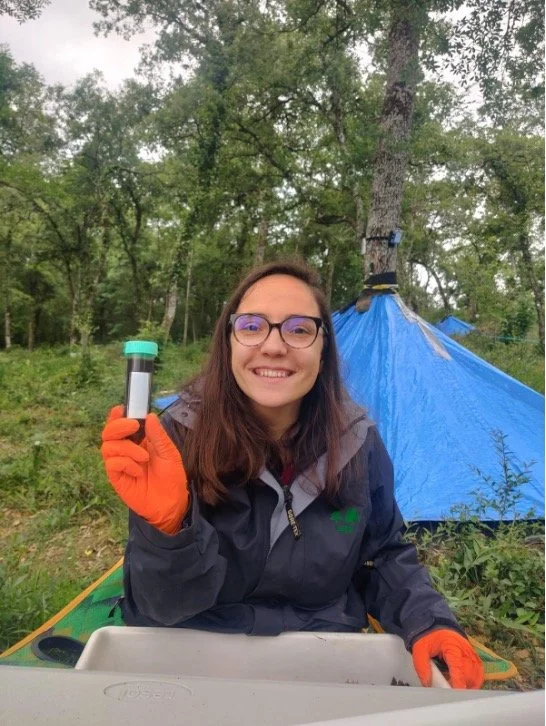
In our eighth installment of the GSB4 Early Career Researcher series, Dr. Tijana Martinović discusses her path to studying soil biodiversity across European forests, soil microbial responses to forest disturbances, and the persistent benefits of "close-to-nature" forest management. She provides a key message resulting from nearly 2000 soil samples. Dr. Martinović’s GSB4 presentation is right around the corner!
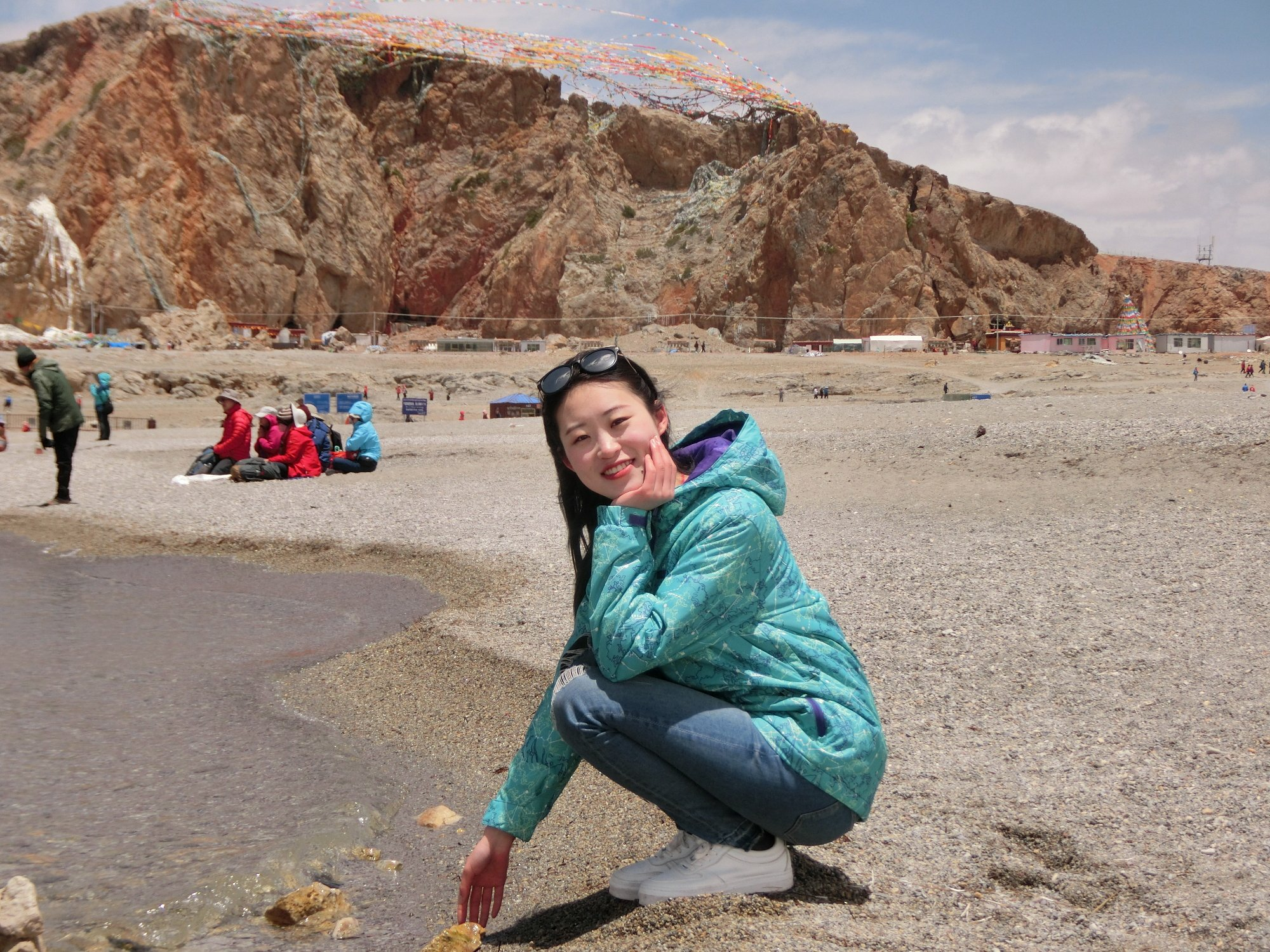
In the most recent addition to the GSB4 Early Career Researcher series, Xue Pan investigates persistent questions in biogeography by leveraging the incredibly diverse order Oribatida- soil oribatid mites! Xue takes readers to the Alps & Changbai Mountain, China to elucidate the drivers of soil oribatid mite diversity and coexistence. Xue even compiled a database of Oribatida distributions globally. Check out the blog and get excited for Xue's upcoming ECR presentation!
In the sixth installment of the GSB4 Early Career Researcher series, Dr. Julia Köninger discusses the importance of methodological considerations in soil biodiversity studies. Molecular methods can tell quite a different story from morphological methods, and these disparities can have substantial impacts on conservation measures. If you would like to hear how an ECR is leveraging both approaches, do not miss Dr. Köninger’s talk at the Global Soil Biodiversity conference!
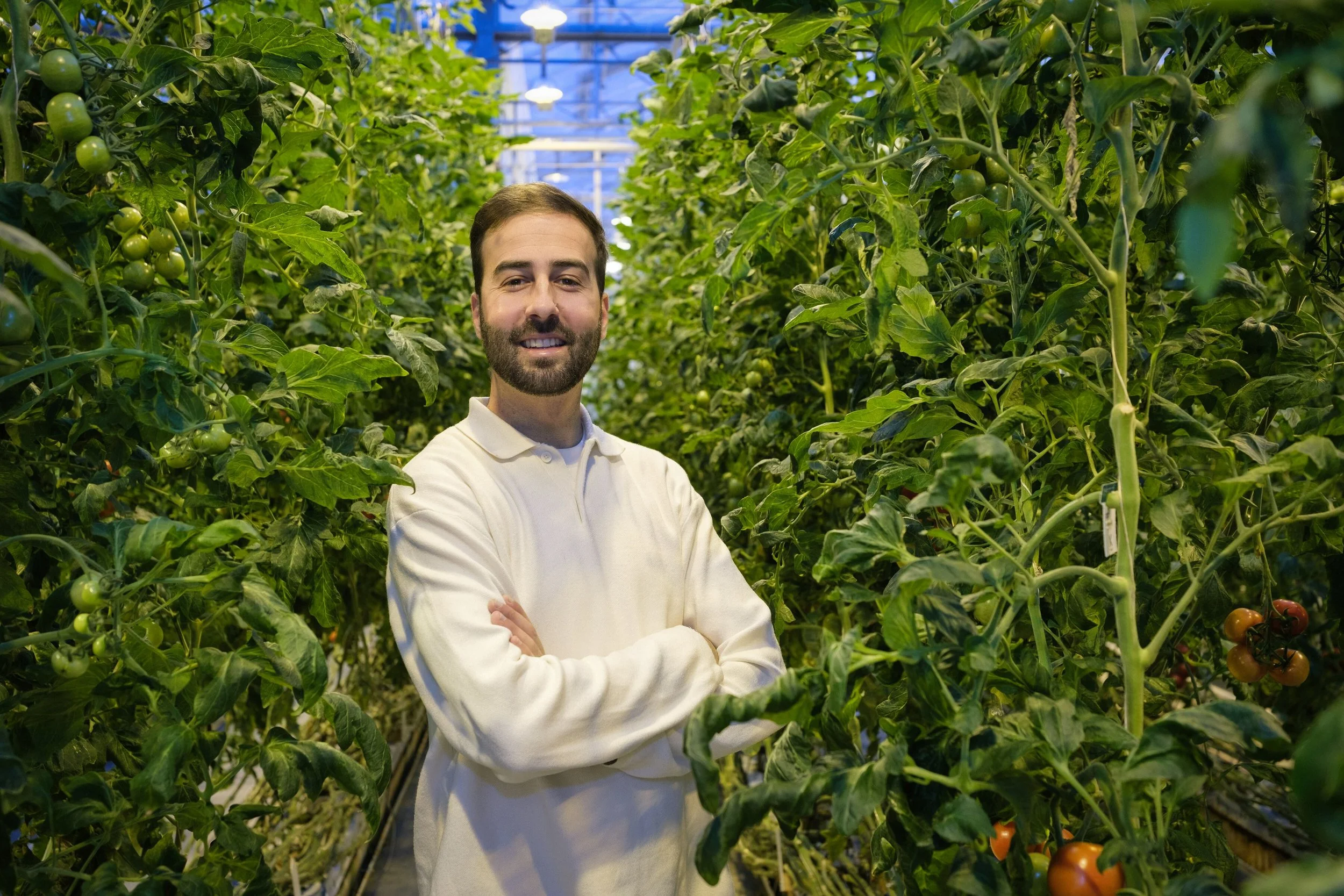
In GSBI’s latest installment of the GSB4 Early Career Researcher series, Dr. Alejandro Berlinches de Gea revisits a classic ecological concept, Biodiversity-Ecosystem Functioning, through a new lens. Dr. Berlinches de Gea highlights the role of soil protists in shaping soil microbiomes and their response to global change drivers. Be sure to check out his talk during the Early Career Showcase at the upcoming GSB4 conference!
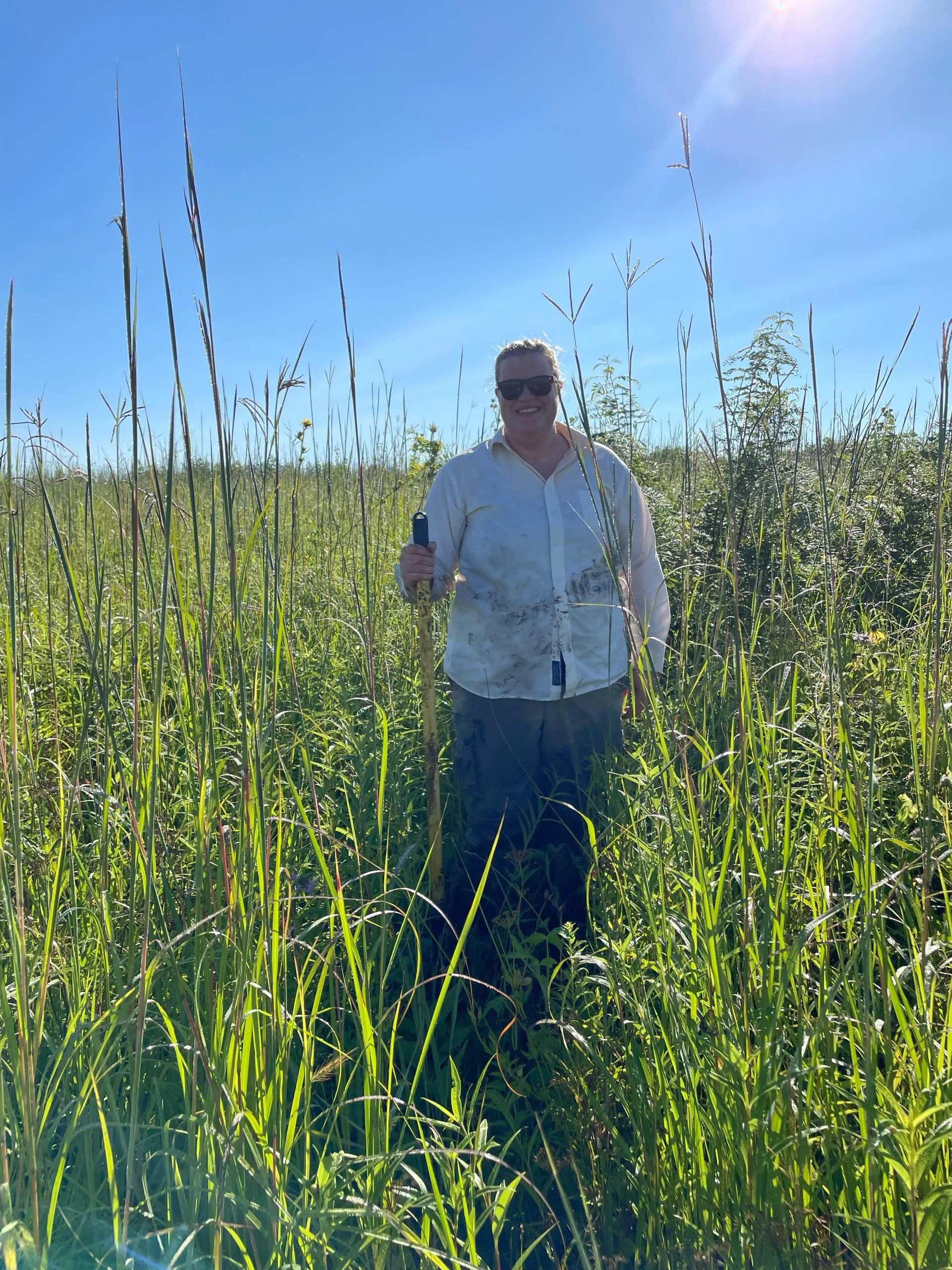
In the fourth installment of the GSB4 Early Career Researcher series, Dr. Jennifer Bell discusses her journey into the field of restoration ecology, how plant invasions impacts soil communities, and the relationship between above- and belowground diversity. Dr. Bell then offers a glimpse into her current work on abandoned mine reclamation. Don’t miss Dr. Bell’s presentation at the GSB4 conference this April!
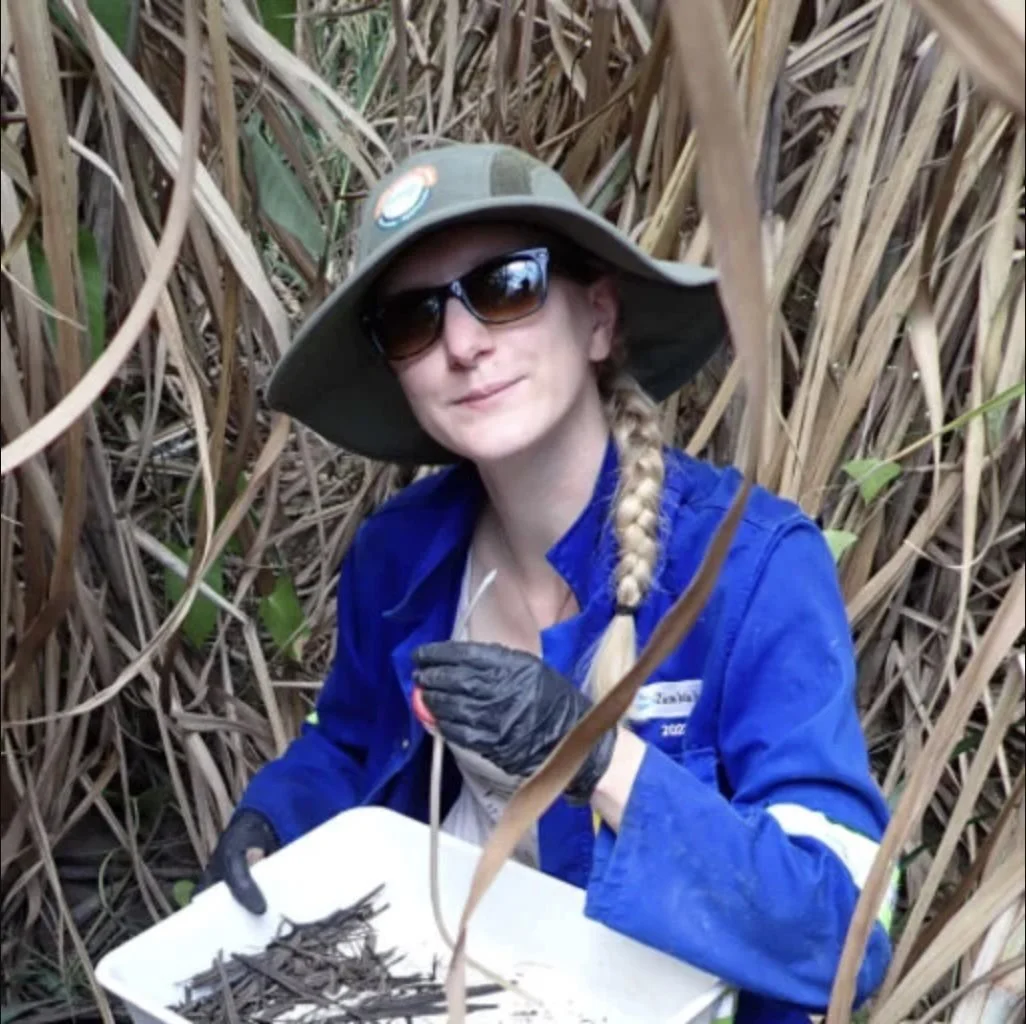
In GSBI’s latest installment of the GSB4 Early Career Researcher series, Dr. Juliette Chassain addresses the extent of global sugarcane production and the persistent challenges in investigating its impacts on soil biodiversity. Dr. Chassain integrates advanced methods to provide a glimpse into the life beneath southern African sugarcane fields. Read the blog to learn more, and be sure to check out Dr. Chassain’s presentation at the upcoming GSB4 conference!

In GSBI’s second installment of the GSB4 Early Career Researcher series, Dr. Ting-Wen Chen addresses the age-old question, “Why do thousands of animal species thrive in a single patch of soil?” Dr. Chen walks us through traditional approaches to study patterns of soil biodiversity, then proposes a novel framework to integrate disparate approaches. Read the blog to find out how this framework works, and do not miss Dr. Chen’s presentation at GSB4 this April!

In GSBI’s first installment of the GSB4 Early Career Researcher series, Dr. Sabrina Sadiq discusses the path to investigating soil viruses across continents and why there is still so much more to be discovered. Through intensive sampling and metatranscriptomics, Dr. Sadiq uncovers a breadth of novel soil viruses spanning a range of hosts. Read the blog to learn more, and be sure to check out Dr. Sadiq’s presentation at the upcoming GSB4 conference!

In GSBI’s latest blog, Yijia Tang and others discuss the major factors driving soil bacterial distributions across Australia. Pairing a widespread sampling campaign with machine learning and digital mapping methods, the study offers novel insight into bacterial diversity hotspots. The findings provide a tool to promote soil microbial conservation across the continent. Read the blog to find out what shapes Australia’s diversity beneath our feet!
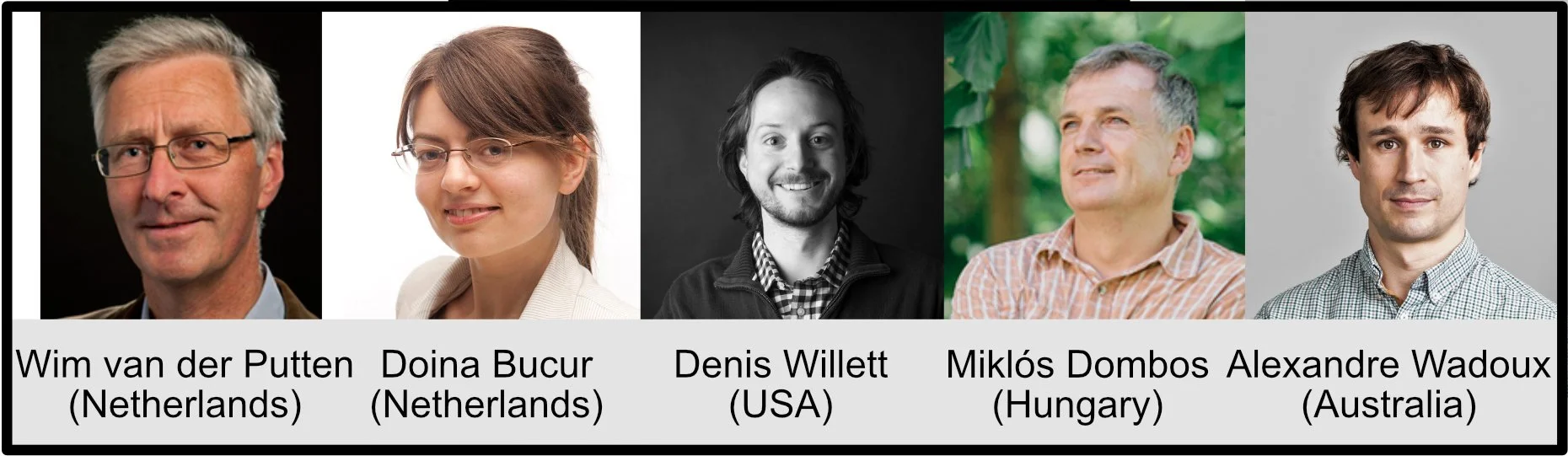
Moderated by Wim van der Putten

In GSBI’s latest blog, Amelie Hauer explores whether soil invertebrates shift their feeding source depending on whether the forest is dominated by arbuscular or ectomycorrhizal fungi in deciduous forests. Using carbon and nitrogen isotopic signatures in amino acids to estimate feeding source and trophic position, the study tracks invertebrate diets (carbon isotopes) and maps their roles within the soil food web (nitrogen isotopes). Read the blog to learn whether mycorrhizal association affects food web structure or if invertebrate identity matters more.
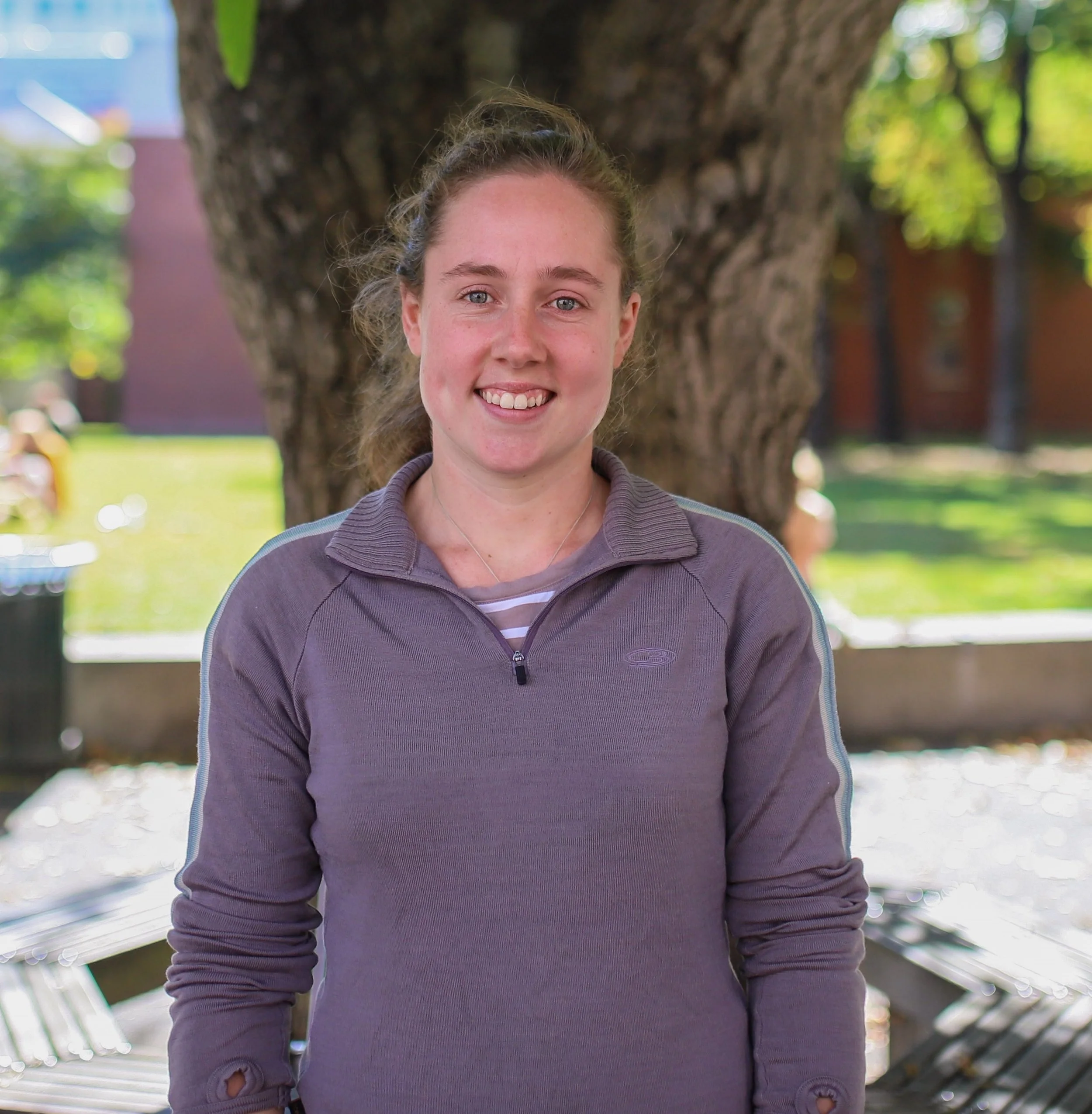
In GSBI’s latest blog, Dr. Laura Van Galen discusses the difficulty dark taxa cause in ectomycorrhizal fungal conservation and research. Dark taxa are DNA sequences that cannot be matched to named species, or even genera or families in some cases. Although current advances in sequencing technology have allowed for rapid detection of fungal taxa, the findings of these results are limited due to incomplete databases that create these dark taxa. Read the blog to learn more about dark taxa and the future of this field.

In GSBI's latest blog, Drs. Pankaj Trivedi (USA), Manuel Delgado-Baquerizo (Spain), and Brajesh Singh (Australia) discuss their recent Viewpoint article about synthetic microbial communities (SynComs). They argue that SynComs are a valuable tool for for studying microbial communities and researchers can apply ecological and eco-evolutionary theories to better understand SynComs and their potential uses and benefits.

In GSBI's latest blog, Dr. Corentin Bisot discusses their recent paper in which they show that fungal hyphae tips grow in a wave-like formation, allowing for carbon efficient expansion. Further, they found bi-directional flows of nutrients between plants and fungi through hyphae. Hyphae contain a single tube (or cytoplasm), which makes this finding particularly interesting. This work used a large dataset (100s of TB) and a custom built microscope/ robot to support these findings.
Moderated by Martin Hartmann


In GSBI's latest blog, Dr. Stefanie Lutz and Dr. Marcel van der Heijden discuss their recent paper in which they found that the abundance of arbuscular mycorrhizal fungi (AMF) are often underestimated. AMF research often focuses on Glomeromycota. However, recent discoveries have shown that the Mucoromycota phylum, in particular the enigmatic Endogonomycetes (E-AMF), also form arbuscule-like structures. Their study used long-read sequencing data from a combination of global field surveys including G-AMG and E-AMF and found significantly higher estimates of AMF richness than previously found.
Moderated by Michael Castellano


In GSBI’s latest blog, Dr. Ademir Araujo discusses the establishment of the Caatinga Microbiome Initiative (CMI), which aims to understand how soil microbial communities change during desertification and restoration, and how manipulating these communities could accelerate ecosystem recovery. The Brazilian Caatinga is the most biodiverse semiarid ecosystem worldwide and is the only biome entirely unique to Brazil, which currently faces frequent drought and high temperatures.

In GSBI’s latest blog, Dr. César Marín discusses natural selection and the theory of Multilevel Selection and how these concepts can be applied to arbuscular mycorrhizae (AM). To explore these ideas, Dr. Marín recently ran a workshop on how natural selection operates across the biological hierarchy in AM systems. A video of the full workshop can be found in the blog.

Check out GSBI's latest blog, where Dr. Tara Dirilgen (Maynooth University, Ireland) discusses the launch of Ireland's first local soil biodiversity network! The first meeting of the network was 26 June 2024 and had 15 attendees across 8 different Irish institutions. The blog also includes tips for starting your own local network. Ask the GSBI for tips or support on starting a local soil biodiversity network.


In GSBI’s latest blog, Dr. Julia Köninger (Universidade de Vigo, Spain) discusses their recent paper where they sought to understand the diversity of soil organisms across 787 sites in Europe. Dr. Köninger’s team analyzed soil DNA to understand which variables drive soil life diversity across different types of ecosystems ranging from croplands to grasslands to woodlands. Surprisingly, they found croplands to host the highest diversity. However, species composition was also most homogeneous there compared to other ecosystems.
Dear GSBI community,
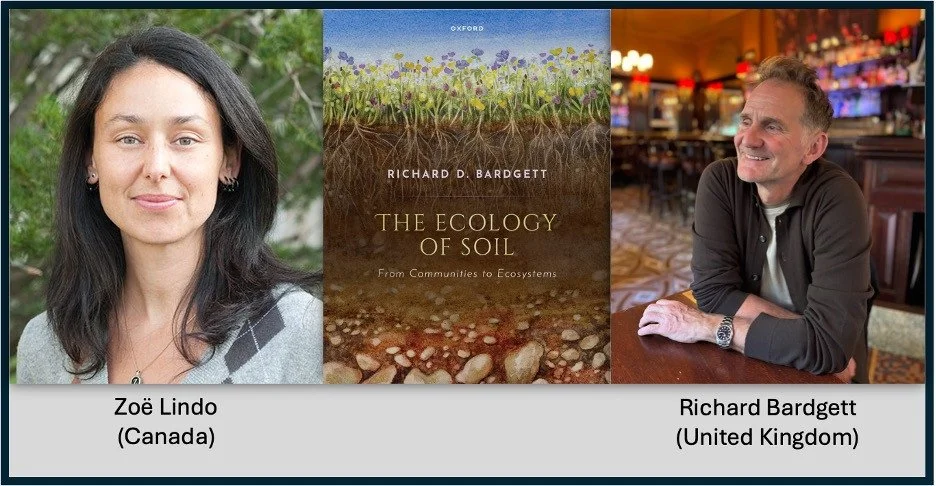
Since Diana Wall's untimely passing, GSBI has been without the leadership of the scientific chair. To fill this gap in leadership, I am pleased to announce that co-founders Wim van der Putten (Netherlands), Johan Six (Switzerland), and Richard Bardgett (United Kingdom) will step in as co-interim scientific chairs for a transitionary period. Together, the GSBI leadership will decide on next steps for GSBI after this interim period. Although GSBI lost both a founder and visionary, GSBI will continue on in her legacy.
Sincerely,
Dr. Leena Vilonen (Executive Director)

It is with deep sadness that we announce that Diana Wall, GSBI founder and scientific chair, has passed. A staunch champion for soil biodiversity science, Diana founded GSBI as a grassroots organization in 2011 together with Wim van der Putten, Richard Bardgett, Johan Six, and Luca Montanarella to connect scientists and inform policy, education, and the public on soil biodiversity. As the leader of GSBI, Diana prioritized the inclusion of scientists from underrepresented groups, the global South, and early career researchers, and advocated for their access to resources. There are very few scientists who have reached out with the intensity and breadth across their field as she did. Diana Wall placed soil biodiversity on the map.
Diana was tireless in her efforts to build up the GSBI and bring soil biodiversity onto the international policy stage. By 2012 she had secured funding from Colorado State University (CSU), hired an Executive Director, organized an international workshop, was invited to speak at the RIO+20 Convention, and initiated work on the Global Soil Biodiversity Atlas (published in 2016). Over the last decade, Diana encouraged the production of the first Global Soil Biodiversity Assessment (2020), secured GSBI participation in the UN’s Convention on Biological Diversity-COP14 and international monitoring efforts such as the Soil Biodiversity Observation Network (SoilBON) and the UN Food and Agriculture Organization’s (FAO) Global Soil Biodiversity Observatory (GLOSOB). She spearheaded the creation of the international Global Soil Biodiversity Conferences (Dijon, Nanjing, and Dublin), and during Covid produced ‘GSBI Speaks’ a series of online webinars to keep the global soil biodiversity community connected.
GSBI Scientific Chair was only one of many scientific roles that Diana held across the field of ecology. We will share additional details about any tributes or celebrations of her life as they become available.


Read the first-ever report on the State of Knowledge of Soil Biodiversity!
Produced in conjunction with the UN-FAO, ITPS, GSBI, SCBD, the European Commission (EC), and 300+ contributing-scientists, this report is the primary science and policy guiding-document in the world for connecting science to policy recommendations for the conservation and monitoring of soil biodiversity.
Citation: FAO, ITPS, GSBI, SCBD, and EC. 2020. State of knowledge of soil biodiversity - Status, challenges and potentialities, Report 2020. Rome, FAO. https://doi.org/10.4060/cb1929en


Soil biodiversity affects our environment and our wellbeing. Learn about soil organisms around the world in the Global Soil Biodiversity Atlas jointly published by the European Commission Joint Research Centre and the GSBI.
Get updates on what the GSBI is up to and never miss an opportunity to participate in GSBI events and efforts.
Stay up-to-date with the work other GSBI members are doing or share some of your own work in the GSBI blog “Beneath Our Feet.”
