

Blog Archive:
Beneath Our Feet

Soil Carbon Modelling with Soil Fauna and Humus Forms
By Cindy H. Shaw, Oleg Chertov, and Darrell Hoffman*

An example of a mull humus form.
Image by D.Hoffman
Soil fauna are key agents in different types of organic debris processing in the forest floor and mineral topsoil, resulting in humus forms. The humus form that develops at any given site is the result of the amounts and types of litter inputs (such as wood, leaves, roots) from local vegetation, temperature and moisture conditions, and the dynamics of soil biota including fauna, fungi, and bacteria. Humus forms are most broadly divided into three orders: mor, moder, and mull. Each order is associated with a set of physical properties that are easily observed and are related to processes occurring in the forest floor and the underlying mineral soil.

An example of a moder humus form.
Image by C.McNalty
Mors are characterized by a distinct boundary between organic and mineral soil horizons, often with plentiful plant roots and fungal hyphae throughout the organic layers. Mulls develop when there is sufficient mixing of organic and mineral soil often resulting from the activities of soil fauna; they have a relatively thick, dark, mineral Ah horizon enriched with organic matter.
Moders are humus forms with properties that transition between those of mors and mulls. The orders can be further divided into groups described by horizon types (such as L, F, H, Ah), which indicate the stage of decomposition, or include descriptors for composition (such as woody, fungal mossy).
The activities of different organisms and the interactions among them have direct consequences for carbon dynamics, as they are the agents driving rates of mineralization and respiration, as well as stabilization, and sequestration. Although the actions of soil fauna mediate the cycling and storage of carbon, the direct effects of these organisms can be difficult to study, and until now have not been included in carbon models. In addition, most carbon models focus on predicting carbon emissions because of the great interest in greenhouse gases, and they neglect the formation and storage of soil organic matter, which is important in carbon sequestration.

An example of a fungal mor humus form.
Image by C.McNalty

An example of a woody mor humus form.
Image by C.McNalty
Recently, a model developed by scientists in Russia, Germany and Canada, Romul_Hum (the soil module of the individual tree forest growth model EFIMOD), integrates knowledge of humus form development, soil fauna food webs, dynamics of fungi and bacteria, and the resultant formation and stabilization of carbon in soil organic matter. Romul_Hum accounts for the many belowground interactions (fungivory, bactivory, predator-prey relationships) between soil fauna, bacteria, and fungi and how these interactions are regulated by the qualities of incoming vegetative material. Unlike other models, which treat decomposers as a homogenous group, Romul_Hum uses variations in the ratios of fungal to bacterial biomass, and the ratios of carbon to nitrogen in the fungal and bacterial biomass. Based on published soil fauna data, different types of food webs are defined for combinations of decomposers and types of horizons in humus forms. An earthworm module was developed with parameters for for food palatability, ingestion and egestion, food consumption, lifespan, excretion, and assimilation efficiency. It is especially important to understand the effects of earthworms interacting with other soil fauna activities in Canada as earthworms are invasive to Canada’s large boreal forest (see blog: Earthworm invasions in northern forests). As earthworms spread through the Canadian boreal forest, they will change the carbon dynamics and carbon balance of the ecosystems.

An invasive earthworm and lepidoptera larva in a boreal forest soil sample.
Image by C.McNalty
Romul_Hum could be used to predict, understand, and quantify those changes. The types of changes to the forest carbon cycle from invasive earthworms is dependent on the species of earthworm(s) present. These changes can include mixing organic material in the forest floor with the mineral soil below, shifting the balance between fungal and bacterial biomass, and stabilizing carbon in soil organic matter as it moves through the gut of the earthworm, or as earthworms ingest and stabilize faeces produced by meso-fauna. Beyond these effects, earthworms can change the food and habitat available for other groups of soil fauna, such as nematodes, mites, and springtails, affecting the survival and success of meso-faunal populations.

The Forest Floor Recovery Index
Image by D.Hoffman
By acknowledging and accounting for the complex interactions between soil faunal food webs and their habitat (humus forms), the modelling approach of Romul_Hum provides a means to evaluate how management, and potentially climate change, affects relationships between soil fauna biodiversity and soil carbon sequestration. In Europe, humus form classification is currently being refined within the HUMUSICA project. In Canada, humus forms are used as part of a system (Forest Floor Recovery Index) to evaluate the success of reclamation after mining.
*Cindy Shaw (cindy.shaw@canada.ca(link sends e-mail)) is a Research Scientist, and Darrell Hoffman (darrell.hoffman@canada.ca(link sends e-mail)) is a Forest Soil Research Assistant, for the Canadian Forest Service at Natural Resources Canada. Oleg Chertov is a scientist who has worked in Russia, Germany, and Finland, and created the Romul_Hum models with Alex Komarov

Romul_Hum predictions of soil carbon stocks and their distribution between the mineral Ah and organic O horizons, depending on presence of mesofauna and
earthworms.
Image by O.Chertov

Earthworm invasions in northern forests
By Erin Cameron, Postdoctoral Researcher, Helsinki University, Finland
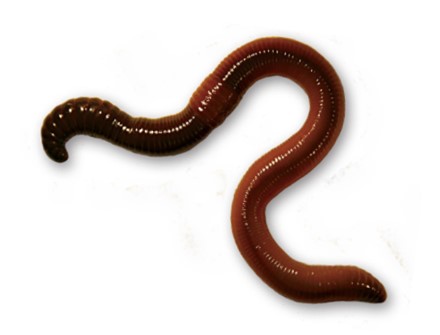
Lumbricus terrestris. Image by E. Cameron
Finishing my paper route always took longer on rainy days when I was a kid – I had to walk slowly to avoid stepping on earthworms and occasionally I stopped to move them off the sidewalk. I would never have believed that earthworms were invasive in much of Canada and the northern United States! In those previously glaciated areas, there are no native earthworms, but instead only European earthworms that were introduced to North America with the arrival of European settlers.
Earthworm populations can only expand about 5 to 15 meters per year on their own, and consequently people play a key role in their spread. For my master’s thesis with Dr. Erin Bayne at the University of Alberta, I tried to determine how earthworms were spreading in Alberta’s boreal forest. I was sold on the research question once I realized that I’d need to canoe or kayak across lakes to test whether earthworms were most common near boat launches where anglers might dump their earthworm bait. After a couple near misses but only one capsizing incident, we found that earthworms were present at approximately 70% of the boat launches and roads sampled, but only 35% of far shores and less than 15% of forest interiors. They were also more likely to occur at older roads than more recently built roads, suggesting that earthworms were introduced by vehicle traffic (their eggs can become stuck in tire treads) not during construction of the roads.
After examining how earthworms were being introduced, we started to investigate their effects in the boreal forest. Surprisingly to most people, earthworms do not always improve soil health or benefit other organisms. When exotic earthworms invade forests where there are no native earthworms, they consume leaf litter layers, mix organic and mineral soil horizons, and affect nutrient cycling. These impacts on soil structure and ecosystem functioning can then lead to cascading effects on other organisms. In northern Alberta, we found that earthworms decreased the thickness of the leaf litter layer, reduced the abundance and diversity of microarthropods, and decreased plant biomass, depending on the species. Not all species were negatively affected though – one of the key predators of earthworms, the American robin, was more likely to occur in areas where earthworms were present.
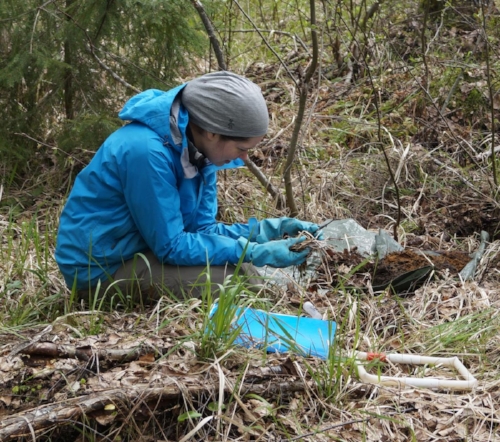
Sampling for earthworms in the boreal forest. Image by R. Rocha
Earthworm invasions are at an earlier stage in northern boreal forests than temperate hardwood forests, where the deep burrowing and mineral soil dwelling species that cause the largest changes are more widespread. At our study sites, the most common species is a litter dwelling species called Dendrobaena octaedra. But because most people are not aware that earthworms are invasive, they continue to introduce earthworms by dumping their bait, moving soil, or not cleaning their tires when travelling to remote areas. We started a citizen science project to collect data on earthworm distributions across Alberta, which at the same time serves to increase public awareness about earthworm invasions: http://worms.educ.ualberta.ca
However, earthworm invasions are occurring globally, rather than only in North America. We also lack data on distributions of native and exotic species of earthworms at broad scales, making it difficult to determine the key factors driving their distributions. To address this issue, we started a working group (sWORM; https://www.idiv.de/?id=429) at the German Centre for Integrative Biodiversity Research (iDiv) to synthesize data on earthworm distributions. Let us know if you have earthworm data and want to participate!
Further reading:
Cameron EK, Bayne EM, Clapperton MJ. 2007. Human-facilitated invasion of exotic earthworms into northern boreal forests. Ecoscience 14: 482-490.
Cameron EK, Bayne EM. 2012. Invasion by a non-native ecosystem engineer alters distribution of a native predator. Diversity and Distributions 18: 1190-1198.
Craven D et al. 2016. The unseen invaders: introduced earthworms as drivers of change in plant communities in North American forests (a meta-analysis). Global Change Biology 23: 1065-1074.

What lies beneath: South Africa’s megadiversity of soil biota Part III
By Dr. Charlene Janion-Scheepers & SERG members
This is the final in a three-part blog series highlighting the rich soil biodiversity found in South Africa.

In our previous blog we discussed some key findings of our review on the rich soil biodiversity of South Africa. In this last blog we want to highlight some key conservation priorities, threats to soil biota and some future directions we think are necessary for the advancement of soil biota research in South Africa.
Threats to soil biota in South Africa
Global drivers, such as land degradation, exploitation, pollution, climate change and
biological invasions, are serious threats to South African biodiversity. For many understudied groups even the identification of invasive species are problematic, while the impact of these invasives on the indigenous species are also unknown. Climate change will probably directly and indirectly favour invasive species in all South African ecosystems, thus the identification and assessment of distributions of invasive species should become a research priority for all soil biota groups.
Other threats to soil biota include intensified land-use. The livelihoods of people in South Africa depend in many ways on the continued functioning of the soil ecosystem, thus there is an urgent need for basic biodiversity knowledge in order to facilitate the soil ecosystem research required to assess sustainability.

Conservation
Soil dwelling species are usually classified as Data Deficient in the IUCN red list criteria. This appears to be related to the limited number of soil biota researchers, difficulties in identification, and inherent logistic difficulties in surveying and sampling. Even the most basic IUCN Red List criteria require a reasonable understanding of the taxonomy and distribution of individual species. The results from our review agree with previous findings, that many taxonomic groups of soil biota could not be assessed for conservation status due to a lack of baseline data. However, exceptions do exist, and the recent First Atlas of the Spiders of South Africa provides an excellent model of what is possible. In addition, the inclusion of endemic soil biota in conservation planning should be the next step to ensure soil habitat conservation.
Future research directions
The major issues that need to be addressed were clear: funding needs to be put in place to:
Train taxonomists
Consolidate and curate existing collections for improvement of data storage and management
Capture existing data
Fill gaps identified in this paper, especially focusing on the functional roles of soil biota
Use our existing and growing expertise as a base to tackle a continental deficiency in our understanding of soil ecosystems
Use current taxonomic expertise to facilitate the development of DNA barcode libraries
Sampling areas that have been poorly studied should be a priority for future work, which includes the Nama-Karoo, Northern Cape and Eastern Cape

Fig. 1: A schematic example of an integrative sampling approach.
In South Africa, funding and expertise is required in a coordinated research framework. Successful examples of this approach have been demonstrated for Europe, such as BISQ and EcoFINDERS. The development of an integrative sampling approach to sampling soil communities (Fig. 1) should be initiated in South Africa to place taxonomic knowledge in an ecological context and develop monitoring tools to provide valuable advice for soil health management. Such an overall strategy for South African soil biota research is needed, which recognises that although different research priorities exist for each group, sharing and contrasting experiences will help advance our knowledge across the board. We see the formation of SERG as the first of many steps towards the goal of an integrative approach to soil ecosystem research in South Africa.
Soil protistology: a rising star?!
By: Valentyna Krashevska1, Stefan Geisen2
1Post-doc University of Goettingen, Germany
2Post-doc Netherlands Institute of Ecology, the Netherlands
Part 4 in our 4 part soil protist series

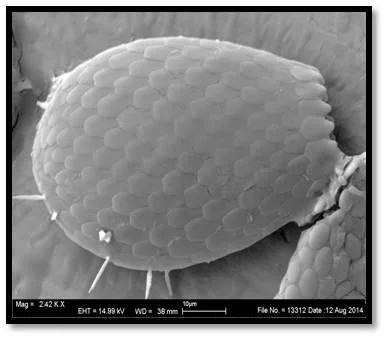
Image: Testate amoebae Euglypha
Soil protistology, despite a long history, is a rather unexplored field with many things to be studied. In the last three blogs we pointed out several of those points including unknown, yet huge diversity and abundance and the fundamental functional importance of protists in the soil food web and for plant growth promotion. They also are highly promising bioindicators to assess soil quality and allow palaeological reconstructions; for the latter, especially testate amoebae, which often have a rigid shell, play a key role.
At PROTIST 2016, around 200 protistologists are gathering, yet, less than 10 % of the participants work in soils. This is surprising taken into account that even editors of general ecological or soil journals are increasingly understanding the potential in the field of soil protistology; just in the last 12 months, three papers purely focusing on soil protists (nematode feeding protists, huge diversity of parasitic protists in soilsand parasitic protists in soil animals) were in the spotlight and received highlight articles (1, 2, 3, respectively). Many recent studies found their place in the highest (ecological) journals and this trend is likely to continue.
Now it is the time to actually jump on that train and bring this understudied field to the next level; many exciting discoveries are awaiting to be made, which might well outweigh findings on the other, better studied microbial groups of bacteria and fungi. This especially counts for integrating soil protist work with work on other soil organisms and in more general ecological studies!
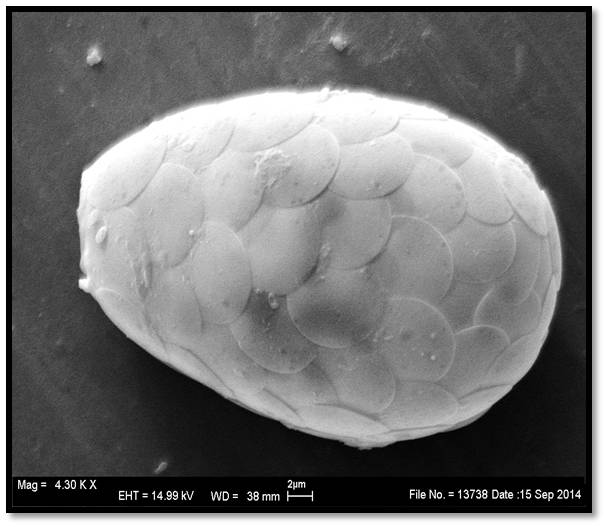
Testate amoebae Tracheleuglypha
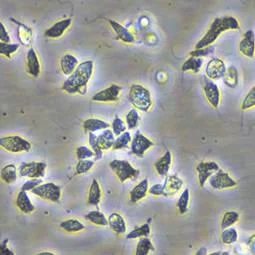
Protists, the overseen guardians of soil microbiome function
By Assistant Professor Dr. Alexandre Jousset, Utrecht University, The Netherlands
This is part 3 in a 4 part blog series on soil protists.
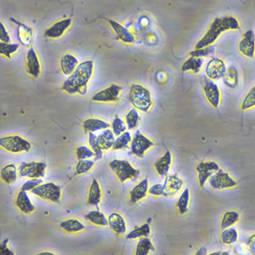
Cercomonas sp., a bacterivorous amoebae.
Soil microbes provide essential functions supporting soil fertility and plant health. Recent advances in sequencing technologies have favored a boom in studies investigating soil microbiome diversity and function. However, to date most studies have focused on bacteria and fungi, neglecting other trophic levels. This focus may be very convenient, as many functional genes are now described. It however oversees the function of predators as regulators of microbial communities.
Soil bacterial and fungal communities are typically top-down controlled. In other words, the main selective pressure is predation, not resource availability. The main predators of bacteria are protists and nematodes. These organisms, albeit unrelated, have been historically grouped as “microfauna”, reflecting that protist have been mostly investigated by zoologists and botanists, not by microbiologists. This discipline separation has contributed to neglecting protists in environmental microbiology. With these lines I aim at bridging these two research fields.
Protists can affect bacterial communities and soil fertility in several ways: By massively consuming bacteria, they release the nutrients contained in their preys, accelerating nutrient cycling. This increased nutrient availability can stimulate plant growth as well as nitrification process. Further, by reducing bacterial biomass, they alleviate competition and allow for more synergies between competing species. Protists are further very selective and will ingest only specific preys. They select preys based on their morphology, surface properties and toxicity. This selection has a strong impact on microbial functions linked to soil fertility. For instance, bacteria producing large amounts of exopolysaccharides may be better protected. These compounds play an important role in gluing soil particles together. We can thus expect that protozoa predation may improve soil structure. A range of studies have also revealed the functional overlap between antibiotics linked to disease suppression and protozoa inhibition. Several bacteria can naturally protect plants against disease by producing antibiotics and are seen as a promising alternative to pesticides. However, most attempts to use these bacteria in natural soil have failed. They either die out or evolve to lose their plant protective ability. Protists are here the guardians that “force” bacteria to produce antibiotics. They eat up bacteria lacking antibiotics, creating more space for the well-defended – and coincidentally plant protecting ones. Previous experiments in my group have shown that adding bacterivorous amoebae to soil can increase the success of plant-beneficial microbes by a factor three. In addition, bacterivorous protists are sensed by bacteria, that upregulate antibiotics production as a defense mechanism. These different protists-bacteria interactions can have a profound effects on soil fertility. We could for instance show that addition of bacterivorous protists could induce soil suppressiveness against the fungal pathogen Fusarium oxysporum. First commercial application of protozoa are already on the market and help for instance mineralize organic fertilizers and promote plant growth in sustainable agriculture.
I conclude that protozoa should be included in further microbiome studies and green biotechnology strategies aiming at reducing fertilizer and pesticide use in the agriculture.
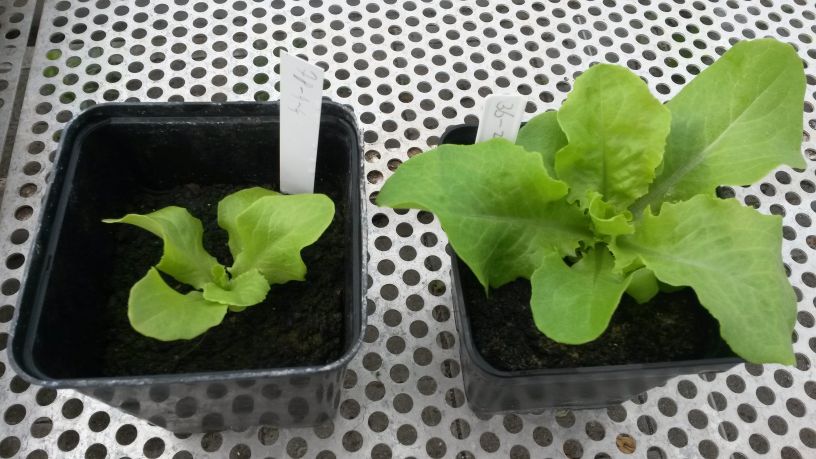
Lettuce grown on compost, left without addition of protists, right with addition of Cercomonas sp.

The Many Roles of Protists in the Soil
By Dr. Enrique Lara, University of Neuchâtel, Switzerland
This is part two in four part soil protist series! Part 1 can be read here.

Figure 1: This unidentified amoeba is one of the members of the extremely diverse protist community inhabiting the soil of a common indoor flower pot; new species can be found even in the least exotic environments! This species feeds on yeasts and bacteria.
Protists are extremely diverse in soils, often reaching thousands of species of protists and fungi per gram. If we bring these numbers to our scale of perception, this means that a little piece of soil the size of a fingernail hosts a number of species comparable to the diversity of insects in a hectare of tropical rainforest! Like in the jungle, the different organisms play various roles in the soil ecosystem. Globally, these roles can be divided in three great categories: osmotrophs, phototrophs and phagotrophs.
Osmotrophs absorb their food from the environment; they are unable to engulf preys. They play a fundamental role in the decomposition of dead organic matter produced by plants. Mostly fungi take this role, but they are not alone! Another very common group of soil osmotrophs is the oomycetes, which closely resemble fungi but are now classified within the stramenopiles- a group very distant to fungi together with many algae such as the marine kelps! Some organisms evolved from photosynthetic ancestors to live in the absence of light and became secondarily osmotrophs, like the green alga Polytomella. Osmotrophic organisms often tend to become parasites during evolution; they start the evolutionary process as mostly free-living organisms that infect occasionally any potentially weakened host. Then, they become gradually more and more specialized and virulent. Many species of fungi and oomycetes are well known plant parasites, and are responsible for huge economic losses every year. Others infect animals (including humans) and even other fungi! Other groups are entirely parasitic such as the Phytomyxea (plant parasites) and the Apicomplexans (animal parasites, including amongst others the agent of malaria Plasmodium falciparum), which can be extremely abundant and diverse in soils. However, osmotrophs can also become Mr. Niceguy and collaborate with plants: mycorrhiza are the most widespread and famous example.
Being a phototroph, obtaining energy from the sun like a plant, in soils may seem contradictory; however, phototrophic organisms are numerous and diverse as well. Logically, they are limited to the upper part of the soil that is reached by light; they are responsible (together with mosses and cyanobacteria) for the formation of so-called cryptogamic crusts, which are common in deserts and high altitude soils. Some of these groups are well known in lakes and rivers (like diatoms, green algae, xanthophytes), but most often species are specific to soils as they went through specific adaptations to be able to colonize these environments.
Many protists in soils are phagotrophic, which means that they prey on other organisms through phagocytosis (just like the macrophages of our immune system). Bacteria are a common food source for them, and it has been shown that predation by protists is the main source of mortality for soil bacteria. By eating these preys, nutrients are released and taken up by plants; it has been shown that this phenomenon, coined the soil microbial loop, is key in driving plant productivity. However, all bacteria are not equally preyed upon by protists, and food preferences vary drastically even between closely related protist species. On the other hand, bacteria are by no means defenceless and produce secondary metabolites that can kill protist predators. This make trophic interactions between protists and bacteria extremely complex. But bacteria are by no means the only prey of protists. Fungi are also consumed, and some species of ciliates possess a cytostome (=cell mouth) that prevents them from eating anything else; they are simply unable to consume bacteria! Others are top predators and will feed only on other protists. Some, like the tiny shelled amoeba Cryptodifflugia, are able to kill even nematodes, and practice a kind of pack hunting to slay their victims which weigh about hundred times more than them!

Figure 2: A testate amoeba, Centropyxis aerophila, hunting for small protists and fungi in its favourite environments, forest litter. It uses its pseudopod to move forward and capture preys by immobilizing them before engulfing.
The situation is complicated even more as some organisms may belong to two functional categories at the same time. Many soil flagellates and amoebae are capable of both actively hunting for preys and absorbing nutrients from the environment, thus combining phagotrophy and osmotrophy. Phototrophy and phagotrophy are also often combined, especially in wet soils like in peatlands (where it is largely practised by golden alga like Ochromonas, Synura and Mallomonas). Altogether, functional diversity of eukaryotes in soils is immense. Our knowledge on their diversity is now at a turning point where it starts to be evaluated, but still remains an open field for new, exciting discoveries.
Cost Action Meeting on Biochar
Ciro Gardi
Professor at the University of Parma, Italy
There is a growing worldwide interest on biochar and its possible application for improving soil fertility and climate change mitigation. There is a need, however, to fully investigate the interaction with the environment and the possible impact on human health.
The scientific community is challenged to provide the necessary answers to decision makers, stakeholders and citizens. Also, soil biodiversity scientists should play an essential role. In fact, the proposed application of biochar in agriculture, as amendments incorporated into the soil, will determine a strong interaction with soil biota that is still poorly investigated and understood.
On the 3rd and 4th of June in Aveiro, Portugal there was a meeting of two working groups (WG2 and WG4) of the Cost action TD1107 “Biochar in soils: on the path of the required level of scientific understanding for sustainable policy development”. I attended the meeting as an invited expert, participating in the activities of the Thematic Group on Biodiversity and Ecotoxicology.
The two days of intense and productive activities have been devoted to the assessment of the current and the required level of scientific understanding (LOSU), using the Ecosystem Services framework as operational tools. In other words it was requested to the groups of experts participating to the meeting, to score the current LOSU and the required LOSU for sustainable policy development, for each of the Ecosystem Services (sensu Millennnium Ecosystem Assessment) potentially affected by biochar application.
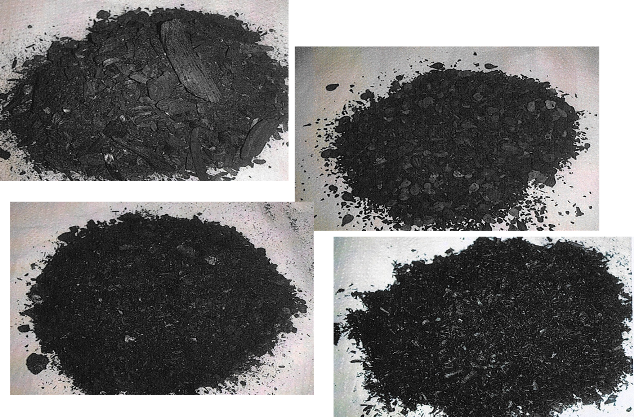
Figure 1 – Different types of biochar:
In the following phases, the potential properties, processes and indicators relevant for investigating the interaction of biochar within a specific thematic area (one of them was biodiversity and ecotoxicology), were discussed and selected.
The number of pending issues and aspects to be investigated on biochar is still relevant, but progress towards a more sustainable use of this material has been made. For instance, the total removal of crop residues to be used in pyrolysis plants and the reintegration of the produced biochar will have a heavy impact on the soil food web. Recent approaches, however, are based on the removal of 70% of crop residues for pyrolysis and the remaining 30% will contribute to the soil food web.
In agriculture, the biochar addition to soil has been suggested as a promising strategy to increase soil carbon storage with important side-effects on soil fertility and crop productivity. However, in order to correctly evaluate the potential contribution of biochar in increasing the storage of carbon in soils, it is necessary to acquire a deeper knowledge on its decomposition and transformation processes. Recent estimates on the decomposition rates of biochar indicate a 0.3% per year, but of course this will vary as a function of biochar characteristics (feedstock, temperature, processes, etc.) and soil and climate conditions.

Figure 2 – People attending the Aveiro Meeting:
Consequences of deforestation on aboveground biodiversity
Thomas Crowther
Yale Climate and Energy Institute
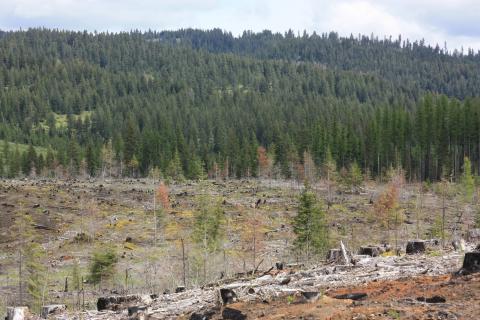
The consequences of deforestation for aboveground biodiversity have been a major scientific and political concern for decades. In contrast, despite being a dominant component of biodiversity that is essential to the functioning of natural ecosystems, the responses of belowground biodiversity to land-use change have only recently begun to receive attention. The advent of next generation sequencing has recently enabled us to comprehend, for the first time, the full extent of microbial biodiversity responses to land-use change.
Two studies conducted in the Amazonian rainforest suggest that, in contrast to plants and animals, bacterial diversity increases following forest removal. This increase is coupled with reduced bacterial biomass, effects which are driven by reductions in soil organic matter concentrations. However, on a continent-scale, effects of deforestation on organic matter concentrations are highly idiosyncratic, with negligible effects in some regions. No study has explored the consequences of this idiosyncrasy by investigating the effects of deforestation across multiple sites/biomes. Thus, we are limited in our capacity to identify global trends or unifying mechanisms governing microbial susceptibility to land-use change. Furthermore, although fungi are the dominant decomposing agents in forest ecosystems, they have been completely ignored in continent-scale studies.
We take advantage of a unique set of 11 well-maintained, long-term experimental research sites to explore the effects of deforestation on fungi, bacteria/archaea and their functional potential, across the Northern United States. Using Illumina sequencing we explore community-scale microbial responses across tropical, temperate and boreal biomes and identify the unifying principles governing the vulnerability of soil biodiversity to forest removal.
We reveal consistent effects of deforestation at the continent-scale, but the magnitude of the community response is highly variable, with strong effects of forest removal in some sites and negligible effects in others.
The magnitude of the effect was highly predictable, and governed almost exclusively by soil texture, effects of which are mediated by the increased capacity of fine-textured soil to retain soil organic matter following forest conversion. Mean annual temperature also explained the susceptibility of one metric of fungal community vulnerability, an effect driven by the specialized nature of mycorrhizal associations with forest trees at higher latitudes.
The strength of these relationships enabled us to predict (map) the vulnerability of microbial (fungal and bacterial) biodiversity to change in vegetation cover at the continent scale. Our model was validated using previously published data from single-site studies in Brazil. The microbial community changes were associated with distinct changes in heterotrophic soil respiration, providing a direct consequence of deforestation for terrestrial carbon exchange.
The highly predictable nature of microbial susceptibility, at the continent-scale, can serve as a guideline for future intensive forest management, and opens the door for a new generation of ecosystem models that incorporate entire microbial communities to anticipate the consequences of land-use conversion on biodiversity and carbon storage of forest ecosystems worldwide.
The study: Predicting the responsiveness of soil biodiversity to deforestation: a cross-biome study

Succession of glacial soils

The world of soils is incredibly diverse and heterogeneous and we are just starting to understand the scope of its complexity. Not only do soils harbor much of the earth’s genetic diversity, but soil environmental conditions can change vastly over distances of only millimeters. The distribution and diversity of soil animals and microorganisms, along with their influence on ecosystem processes, also changes across these micro-distances.
When faced with such complexity, scientists can focus their efforts on relatively simple soil systems to begin to link patterns to processes.
From the tropical Andes of Peru to the icefields of Alaska, glaciers are rapidly melting. As ice melts, we are left with an annually resolved gradient in soil development. Substrates closest to the glacial terminus are the youngest while substrates furthest from the terminus are older. Deglaciated landscapes, with their barren rock and lack of vascular plant cover, often appear to be devoid of life. On the contrary, a growing number of observational studies show that glacial soils, albeit low diversity, are teeming with microscopic organisms that take up residence immediately following the retreat of ice. Looking at how soil biota and the soil environment develop with time in these relatively simple landscapes may help us to unravel the relationships between community structure and ecosystem function that may be otherwise obscured in more complex soil systems.

But before we can link patterns and processes, we must first establish whether or not soil microbial communities undergo succession – the orderly and predictable change in community composition and function with time. In my own work, I am examining microbial communities at glacial sites in both North and South American continents. It appears that young glacial soils host bacterial communities that are very different in terms of structure and function when compared to communities originating from older parts of the landscape. In other words, bacterial communities from distant locations (Peru, Washington, and Alaska) undergo successional change that results in a predictable community composition regardless of site. The graph of points depicts this pattern. Each point indicates a unique soil bacterial community and early communities are much more different than older soil communities. The next step for this work is to understand the drivers of successional change.

We are becoming increasingly aware of the links between the aboveground and belowground biota in ecosystems. Plants have repeatedly been shown to drive microbial activity in soils. Recent work from Shawn Brown and Ari Jumpponensuggests that during early ecosystem succession, the presence of plants can shape soil bacterial communities. As well, studies have demonstrated that soil biota wield a strong influence on the diversity and productivity of plant communities. One relatively unknown question is how the succession of belowground communities is related to the succession of aboveground communities. This is an exciting frontier of research that myself and others are currently working on.
Following a major ecosystem disturbance, soil fauna and microorganisms play a particularly important functional role in soil fertility re-development by driving rock mineral weathering, nutrient recycling, and steadily building up organic matter. The work of Christian Schurig and colleagues from the Damma Glacier in Switzerland highlights this last point and their findings show that in developing systems organic matter largely comes from the cells of dead bacteria and fungi.
Though glacial retreat is one specialized type of ecosystem disturbance, there are many other natural and human caused disturbances that influence microbial communities and their functions. The study of natural gradients may offer us some insight into how to maintain and restore degraded systems.
More information about Sarah Castle’s research can be found here: www.cfc.umt.edu/biogeochemistry

A wave of alien invaders marches unseen, northwards across Britain!
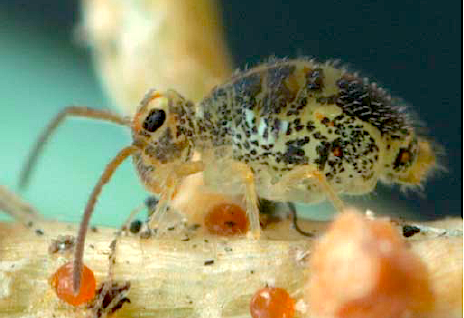
(Left: Unknown katiannidae, Sheffield botanic gardens)
The invaders in question are springtails (Collembola) and they’re only alien from a European perspective, but genuinely there is still a fair chance of collecting a prettily coloured little springer — which turns out to be scientifically undescribed — from your back garden.
The UK has a longer history of springtail collection than almost anywhere (John Lubbock was publishing records of springtail collections in the 1860s), and we have been generating distribution data almost continually since, so one would expect the UK springtail fauna to be well studied by now. It is true that collections of springtails from many British habitats (eg upland bogs, strandline, tree bark and caves) reveal lists of names that seem to have changed little for at least a century. (The possible effects of climate change on this are a blog in themselves). Before his untimely death Steve Hopkin wrote the FSC key to this group, which will usually give sensible names for springtails collected in these “pristine” habitats (though early instars remain a challenge).
However, when one collects in urban gardens or peri-urban settings it is routine to turn up springtails that simply won’t key down properly in the FSC key, or indeed any of the standard European texts. The majority of these oddities are in the Symphypleona, the jumpy surface-active forms with fused body segments and a distinctive body shape that gives them – in my subjective eyes – a slightly extra-terrestrial look. The most commonly photographed one is Dicyrtomina saundersi.
Entomologists have found non-native springtails in the UK many times before, but almost invariably in warm artificial habitats. The great Richard Bagnall found a pretty little sminthurid Sphyrotheca multifasciata in hot houses in two botanic gardens in the 1920s, and the closure of one worm bed at Rothamsted removed the Philippine springtail Yuukianura aphoruroides from the British Fauna.
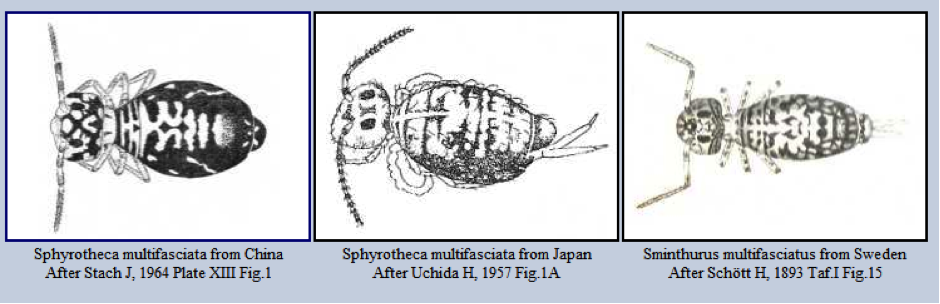
(Photo from Collembola.org)
In about 2007, photographs started to turn up on internet macro-photography pages of attractively patterned symphypleona that simply didn’t fit anything in the FSC key. A lovely example is here if you can log into flickr.
This creature was thought to be Sphyrotheca multifasciata for a short while, but the chaetotaxy isn’t right and the color pattern is unlike what has been published. Having consulted Dr. Penny Greenslade (CSIRO) – a world expert on the group - it is not clear even what genus this belongs in. Apparently the same species has been found in several places in the UK including Manchester, and was one of the commonest Collembola collected by myself from the woods near Bodmin in 2011.
Paul Ardron found multiple non-native springtails in Sheffield Botanic gardens and The Lost Gardens of Heligan, publishing photographs of 12 taxa, five of which could not (and still cannot) be named, in a paper called Aliens in Inner Space, which can be found on page 10 of this document.
The identifiable species included at least three from the southern hemisphere, verified by Greenslade and not previously known in the UK: Katianna australis, K. schoetti, and (from a different family) Calvatomina superba.
During vacuum collection from the RHS Wisley experiment “Plants for Bugs”, one of the commoner leaf-surface springtails was again this Australian katiannid Katianna schoetti.
Stephanie Bird’s PhD involved monitoring the Collembola in these Plants for Bugs plots, and (by luck) she seems to have observed a wave of colonisation in action. The second year (2013) of monitoring all her plots (including local heathland) acquired good numbers of Sminthurinus reticulatus, which had not been seen there before. This colour-pattern species can easily be seen under a dissecting microscope to have a ladder like pattern up its back, and was first found in the UK by Keith Brocklehurst in 2007.
It went from unknown to the commonest springtail in my college leaf litter in 2012, and also appeared in ancient woodland on Bookham common about the same time, and seems to have displaced the two native colour forms of Sminthurinus aureus.
Just last week (Feb 2014) Ed Phillips emailed photos of this same springtail – it was the dominant symphypleonan in his Warwickshire churchyard. It will be fascinating to follow its colonisation, which I presume to be northwards associated with our increasingly mild (if wet!) climate.
I have sent several of these unfamiliar springtails for DNA barcoding – results are eagerly awaited.
Finally, a story that probably fits here but remains a puzzle. One of the commonest and biggest springtails in the UK is Tomocerus vulgaris:
It has a mucro (tooth on jumping organ) with about five small teeth along its middle. Except that a few places in the SE are turning up a Tomocerus that otherwise fits but has “red lipstick” (red pigment on its labrum) and only has one medial tooth. This should be either the Catalan species (but isn’t like it in any other way) or T. minutus of Scottish mountains (but certainly isn’t), or a new species. Its DNA was sequenced and gave a 95% match to T. vulgaris – close enough to write it off as a mutant, or far enough away to call it a new species? More work (and research funding) is needed.

Mapping biodiversity with environmental niche modeling (PG9)

Left: Figure 1. Schematic of the environmental niche modeling methodology. Environmental niche modeling uses a statistical model to combine community samples with maps of environmental variables to generate predicted diversity maps or range maps. In this example, most of the samples are from North America, so although a global prediction is shown, a prediction to just North America may be better warranted.)
Maps of biodiversity at global and continental scales plays a pivotal role in ecology, evolutionary biology, and conservation biology. Diversity maps give insight into the action of ecological and evolutionary processes at large scales, and they can guide management decisions. The diversity patterns of many macro-organisms are known; for instance, the global ranges of almost all known mammals, birds, and amphibians are available at a resolution of approximately 100 km. However, until recently, the ranges of many micro-organisms — including soil bacteria — have remained almost entirely unknown. In this post, I will describe an increasingly useful approach to inferring the diversity patterns and ranges of soil bacteria and other micro-organisms.
The reasons that the ranges of soil bacteria have remained elusive are at least two-fold.
First, sampling of soil bacterial communities has historically been sparse: Range maps of many macro-organisms are often based on many thousands of observations and museum records. By contrast, until recently the number of soil bacterial communities that have been sampled has been orders of magnitude smaller. However, the availability of cheaper and faster sequencing is rapidly changing this picture, and today numerous soil bacterial communities have been sequenced with additional surveys underway.
The second obstacle to mapping the ranges of soil bacteria is incomplete censusing of bacterial communities. Unlike macro-organism communities, many of which can effectively be censused given sufficient effort, fully assessing the diversity of bacteria at a location has been impossible. Although completely censusing most soil bacterial communities continues to remain impractical, improvements to sequencing technology have made it possible to get an increasingly complete picture of the bacterial communities.
Against this backdrop, we recently sought to ask not just whether we could map the ranges and diversity patterns of soil bacteria, but whether we could map the ranges and diversity patterns of soil bacteria across a largely extirpated ecosystem, the North American tallgrass prairie (Fierer et al, 2013, Reconstructing the Microbial Diversity and Function of Pre-Agricultural Tallgrass Prairie Soils in the United States. Science, 342:621-624). Historically, this ecosystem covered over 65 million ha of the United States. Today, as much as 99% of the tallgrass prairie has been lost to agriculture and other land use modification. These modifications have profoundly altered the soil communities. However, the bacterial communities that presumably inhabited the tallgrass prairie can still be sampled from the few tallgrass prairie relics that remain undisturbed, for instance in nature preserves and old cemeteries. We used samples to form these communities to infer the likely distributions of soil bacteria across the original extent of the tallgrass prairie.
To infer the distributions across the original tallgrass prairie extent, we used environmental niche modeling, a powerful methodology developed for studying the distribution of macro-organisms. To generate range maps, niche modeling combines (i) a limited number of community samples with (ii) maps of climate conditions and other environmental variables.
The idea behind niche modeling is straightforward: using the community samples, one infers the niches of taxa — e.g., bacterial OTUs or phylotypes – for the variables for which maps are available. For instance, if we had maps of precipitation and soil pH, we would check how the occurrence of an OTU of Acidobacteria depends on these variables. If it depends on these variables, for example the OTU is found only in samples with high precipitation and high pH, then we can draw its range by referencing the maps of precipitation and soil pH, shading in only regions that meet the OTU's precipitation and pH requirements.
Although the general idea behind environmental niche modeling is straightforward, the details are complicated. The challenges include: Out of the many possible environmental variables that might predict a distribution of an OTU, how do we choose the important ones? How do we model non-linear relationships between the occurrence of OTUs and environmental variables? How do we prevent overfitting? Can we reasonably assume niche conservatism through space? Do dispersal limitation and interspecific interactions substantially affect range boundaries? What regions of the inferred maps require excessive extrapolation in environmental space, and how can we control the amount of extrapolation? Can we map diversity patterns in addition to ranges?
A large body of ecological and statistical research has been devoted to addressing these and other questions, and sophisticated niche modeling methods have been developed. In many circumstances, these methods can allow the construction accurate range maps.
We applied these niche modeling methods to map the distributions of the tallgrass prairie bacteria. To make these maps across the original extent of the tallgrass prairie, we noted that climate conditions have changed little across this ecosystem in the last 150 years. Thus, if we found that a particular set of climate variables predicted the distribution of a taxon across the existing prairie relics, this would suggest that we could predict the original distribution across the prairie from the spatial distribution of this climate variable across the original extent of the tallgrass prairie. We found that climate variables were indeed excellent predictors for some taxa, and that we could additionally predict the spatial distributions of diversity across these region using climate variables. The results indicated that the diversity patterns of bacteria are sufficiently associated with climate variables that range maps can be constructed, and that their diversity patterns were driven largely by the distribution of Verrucomicrobia, a relatively little-studied phylum of bacteria.
Environmental niche modeling promises to be an important addition to soil microbial ecologists' computational toolbox. The application of environmental niche modeling to mapping tallgrass soil bacterial communities is but one example of the utility of this methodology. For instance, it may be useful for identifying microbial interactions, predicting the effects of climate change on microbial communities, and identifying unsampled regions that are likely to harbor beneficial or harmful bacterial taxa. Recent advances in sequencing technology, ongoing sampling of additional bacterial communities, and the development of the appropriate statistical tools are combining to make environmental niche modeling an increasingly practical and useful methodology for mapping the distributions of soil microbial communities.