
Archaea

Archaea:
Archaea are single-celled organisms found in a wide verity of soil habitats. Many archaea are able to live in extreme conditions, such as volcano vents, permafrost, and areas of high salinity. Up to 10% of microbial cells in temperate soils are likely archaea. Most of the differences between archaea and bacteria are genetic.
Bacteria

Bacteria:
Bacteria are single-celled organisms found in all soil habitats. They break-down a wide range of dead plant and animal material and are critical to recycling energy and nutrients in ecosystems. Bacteria are incredibly diverse, and a few of the most important phyla in soils are Proteobacteria, Firmicutes, Actinobacteria, and Cyanobacteria.
Protists

Protists
Protists are single-celled eukaryotes, which means they contain a nucleus and other organelles within the cell. Some protists form colonies that can appear to resemble a multi-cellular organism, such as slime moulds. Other examples of protists are red and green algae, amoebeas, and several plant pathogens including Phytophthora infestans, which causes the potato blight that lead to the Irish Potato Famine.
Fungi

Fungi
Fungi can range in size from single-celled yeasts to mushrooms to networks of mycelia kilometers long. In fact, the largest organism on earth is an Armillaria solidipes (honey fungus) covering 6.5 sq km of forest in North America! Mycorrhizal fungi form symbiotic relationships with plants, trading nutrients from the soil for carbohydrates produced by the plant. Fungi play a central role in decomposing wood and are important to cycling energy and nutrients from dead material back to living organisms.
Lichen

Lichen
Lichens are a symbiosis of a fungus and one or more photosynthetic partners, typically a green alga (see Protists) and/or cyanobacterium (see Bacteria). Lichen taxonomy is based on the fungal partner, and reflects the lichen body displays characteristics that are unique from the fungus or photosynthesizer alone. Lichens grow on bare rock, trees, and soil surfaces.
Plants

Plants
Plants bridge the soil environment with the above-ground ecosystem. Almost all plants perform photosynthesis, using energy from sunlight to fix CO2 from the atmosphere into carbohydrates. They are a conduit of energy (carbon in the form of carbohydrates) from the atmosphere to the belowground community. In turn, plants rely on soil for water and nutrients like nitrogen and phosphorous. Plants are often the foundation of terrestrial biological communities, and soil organisms are the foundation of nutrient cycling on which plants rely.
Tardigrade

Tardigrades
Tardigrada is a phylum of microscopic animals commonly called “water bears” or “moss piglets.” Tardigrades are known for being incredible tough, withstanding periods of extreme drought and cold. They eat bacteria, plants, and other microscopic organisms. There are approximately 1150 known species of tardigrades.
Rotifer

Rotifers
Rotifera is a phylum of microscopic animals that move through water and water films by beating hair-like cilia on a rounded structure on their heads, called a corona. The Class Bdelloidea includes all the important soil-inhabiting rotifers. Interestingly, all Bdelloid rotifers are female!
Nematode

Nematodes
Nematoda is one of the most diverse phylum of animals with more than 25,000 described species. Nematodes, commonly known as roundworms, are important soil organisms, as different species of nematodes feed on bacteria, fungi, plants, and other nematodes. The key groups of soil nematodes include Panagrolaimida, Rhabditida, Mononchida, and Dorylaimida.
Enchytraeids

Enchytraeides
Enchytraeidae is a family of segmented worms (phylum Annelida) commonly known as potworms. They dominant members of soil communities in cold, wet, and organic rich habitats like peat bogs and moorlands. They eat bacteria, fungi, and dead plant material.
Enchytraeides:
Enchytraeidae is a family of segmented worms (phylum Annelida) commonly known as potworms. They dominant members of soil communities in cold, wet, and organic rich habitats like peat bogs and moorlands. They eat bacteria, fungi, and dead plant material.
Acari
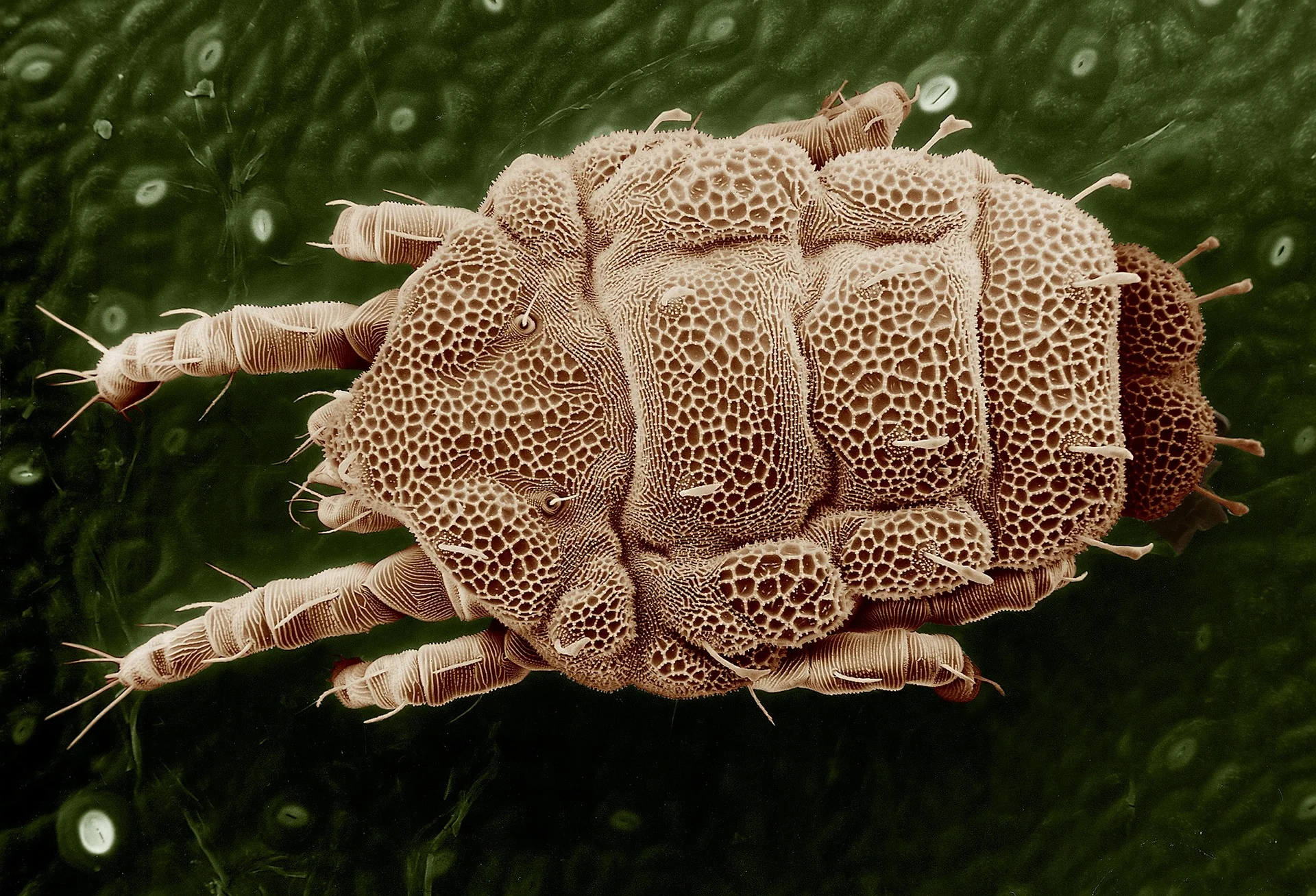
Acari:
Acari are the group of Arachnids including mites and ticks. Mites are both very diverse and very common in soil, accounting for up to 40% of total soil microarthropods. Mites have specific feeding patterns and different species feed on microbes (bacteria and fungi), dead plants and animals, and other soil animals.
Collembola

Collembola
Collembola, also known as springtails, are a group of hexapods (subphylum of Arthropoda) distinguished by having internal mouthparts. Many Collembola have an appendage called a furca on their abdomen that acts as a spring, launching their bodies forward. Collembola are found in a wide diversity of soil habitats and can be important drivers of decomposition.
Diplura

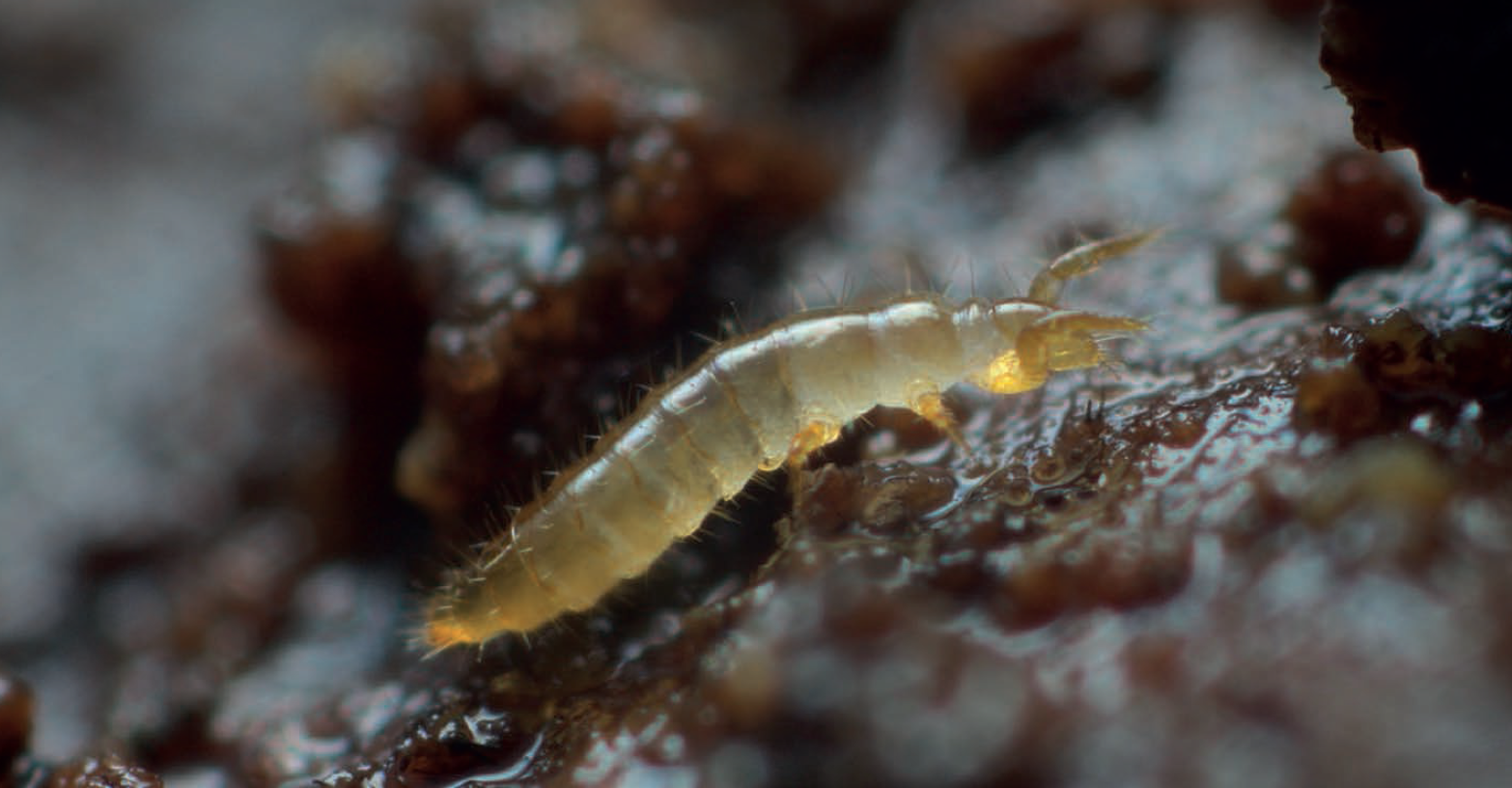
Diplura
Diplura are hexapods with long bead-like antennae and cerci, an appendage to the abdomen that can appear as pincers or more antennae-like. Sometimes dipluran are confused with earwigs, which are true insects. Most dipluran feed on plant-material, but some consume nematodes.
Psuedoscorpions

Pseduoscorpions
Pseudoscorpions are small arachnids that resemble scorpions with large front pinching appendages called pedipalps, but they do not have elongated abdomens nor venom. There are about 3,400 described species of pseudocorpions and they eat other small animals including ants, mites, and beetle larvae.
Ants

Ants:
Ants make up the insect family Formicidae. Ants are social insects and form nests in trees, on the soil surface, and underground. Some ants eat plants, others prey on other insects, and others are considered ominvores. There are about 14,000 species of ants described world-wide.
Termites
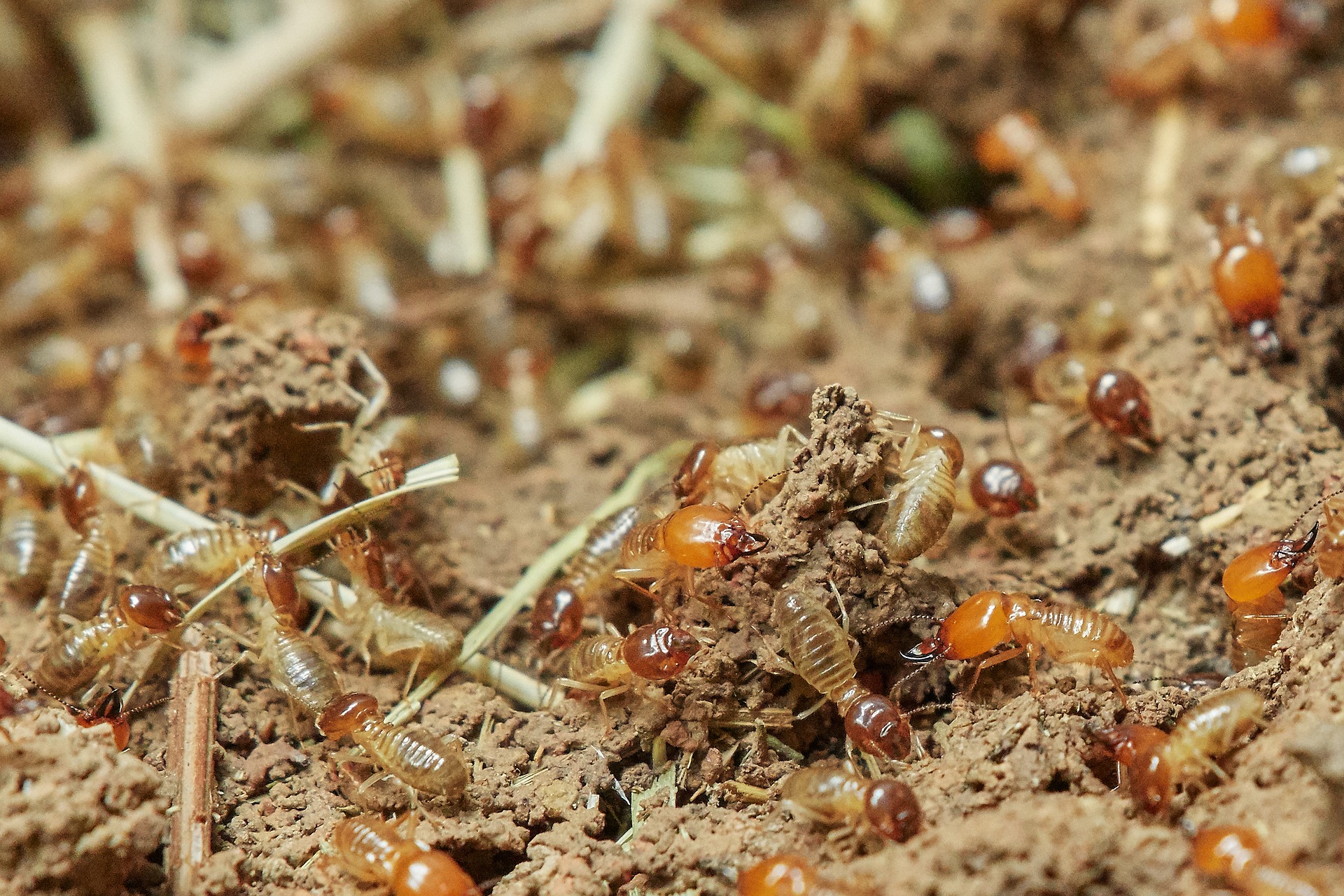
Termites
Termites form the order Isoptera and are not closely related to ants. They are social insects, and some species are known for their extensive mounds both above- and belowground. Termites consume dead plant material, including wood. They are most abundant in tropical areas.
Isopoda

Isopods
Isopods are commonly called woodlice or pillbugs. They are actually an order of crustaceans with over 3,000 described species. They can be found in a wide-range of terrestrial habitats and are most active in evenings, overnight, or at dawn. Isopods feed on dead leaf litter and contribute significantly to decomposition in many ecosystems.
Myriapoda
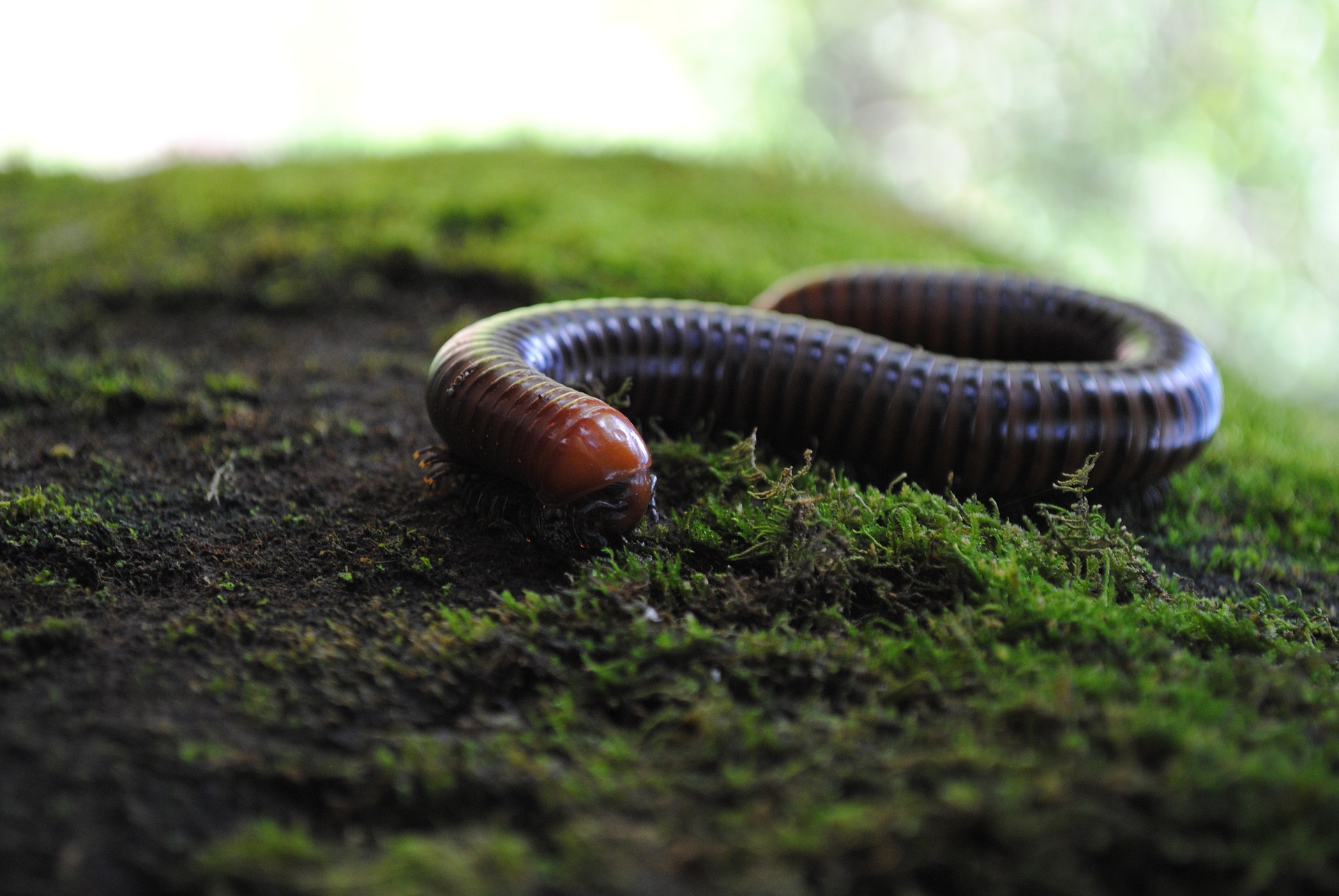
Myriapods
The subphylum Myriapoda includes centipedes, millipedes, pauropods, and symphylans. They live in soil, some digging burrows, preferring areas with high moisture, consistent temperature, and low levels of ultraviolet light. Centipedes are primarily predators. Symphylans are generally root-feeders. Pauropods eat fungi, and millipedes eat dead leaf litter.
Earthworms

Earthworms
Earthworms are segmented worms belonging to the subclass Oligochaeta in phylum Annelida. They are perhaps the most widely-recognized soil animal and play important roles in decomposing dead plant material and structuring soil through burrowing action. There are three functional types of earthworms: epigeics, which live on the surface in the litter layer, anecics, which eat litter from the surface and burrow vertically down into soil, and endogeics, which live entirely underground and eat soil.