
European forest soil microbiomes under disturbance and management
Dr. Tijana Martinović (Institute of Microbiology of the CAS, Czechia; Slovenian Forestry Institute, Slovenia)
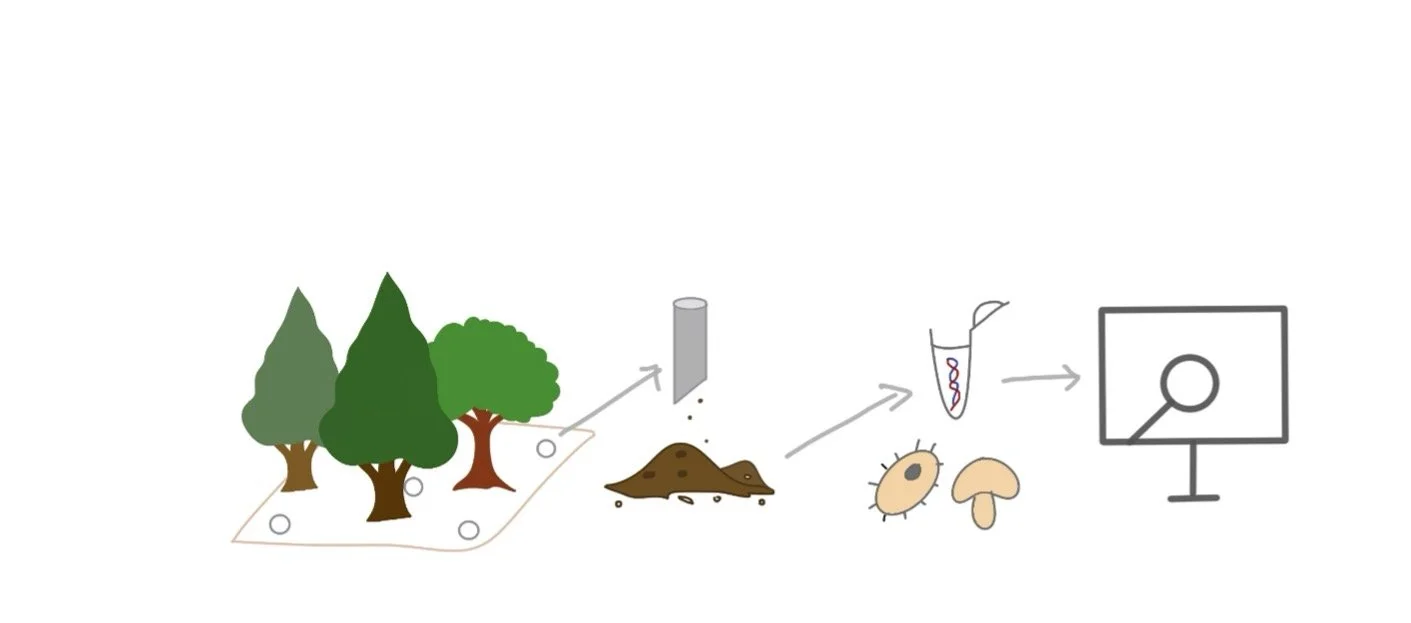
Illustration 1: Harmonized protocols are essential for soil biodiversity monitoring.
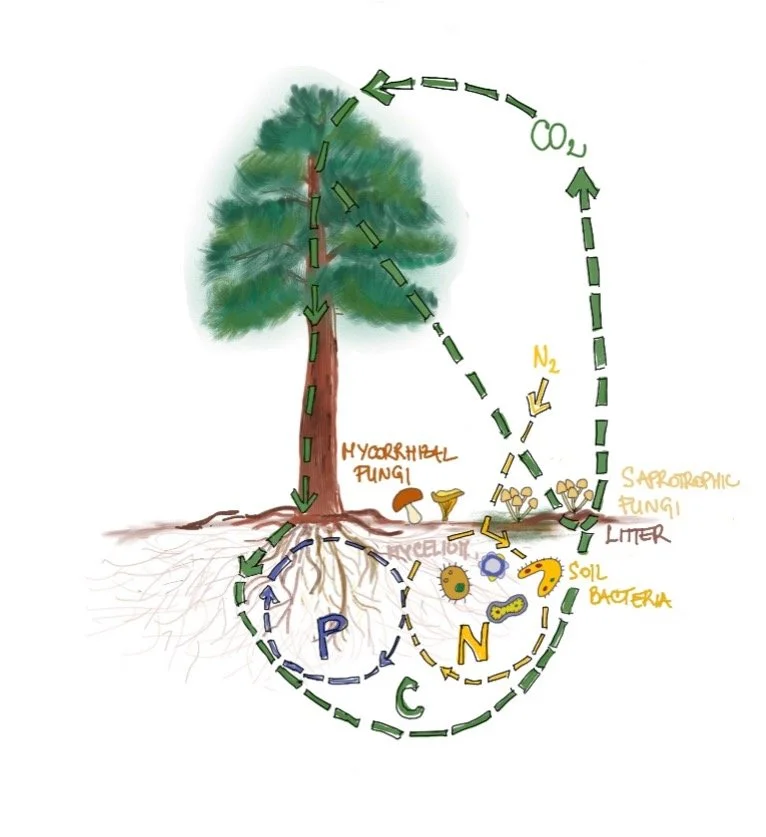
Illustration 2: Microbial communities regulate key soil processes, including the cycling of carbon, nitrogen, and phosphorus that sustain forest productivity.
My path into studying forest soil microbiology began somewhat unexpectedly. As a second-year student of a bachelor program in microbiology, out of curiosity, I enrolled in a course at another department. The description mentioned forest mycorrhiza, which I knew little about at the time, but found rather intriguing. The course was taught by Dr. Hojka Kraigher, whose enthusiasm for this topic inspired me from the very first lecture. She welcomed students into her research group, and I joined without a second thought.
Beginning my research path studying forests in Slovenia felt like the perfect setting. Slovenia is one of the most forested countries in Europe, with nearly 60% of its land covered by forests and a long tradition of close-to-nature, sustainable forest management. There I learned the methods that would shape my career, from field sampling to molecular tools, while working on projects focused on sustainable forestry and biodiversity conservation.
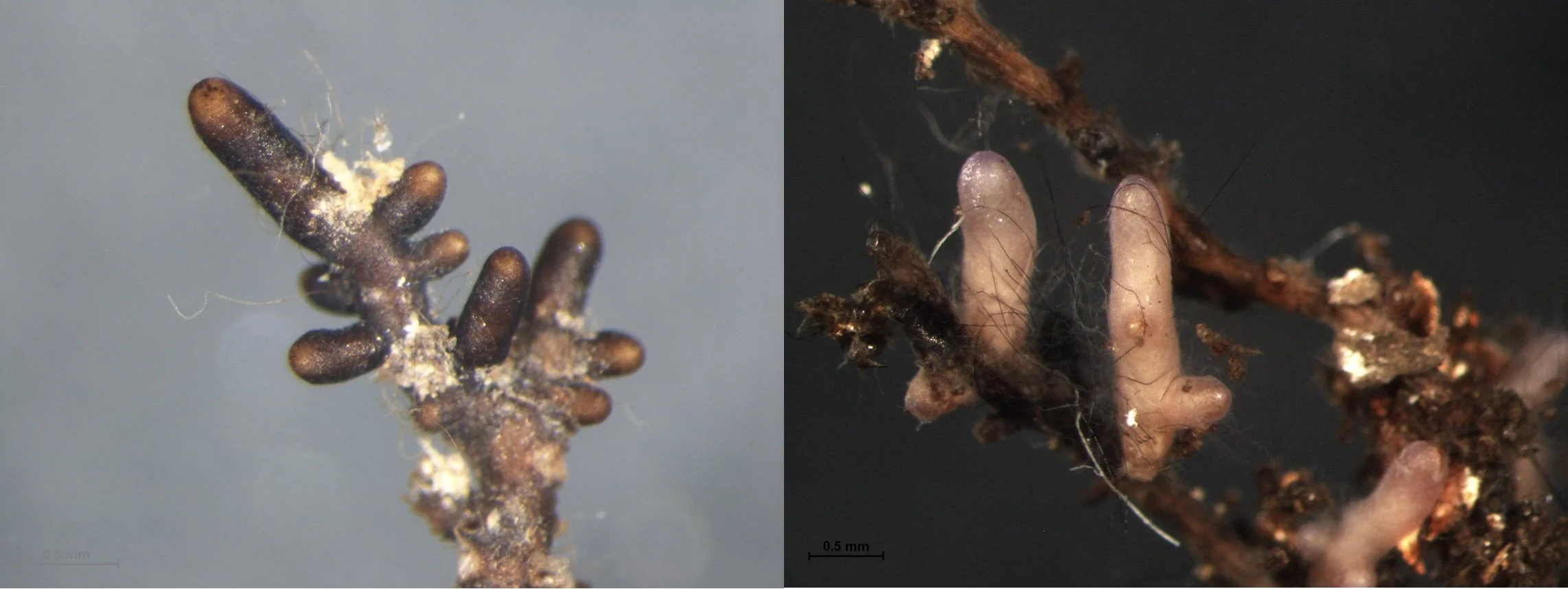
Photo 1: Mycorrhizal root tips. Humaria hemisphaerica (left) and Laccaria amethystina (right) from an oak forest in Slovenia. Photo credit: Tanja Mrak, Slovenian Forestry Institute
I later joined the group of Dr. Petr Baldrian in Prague, which became the next formative period of my scientific development. During my PhD, I studied the drivers of microbial communities in forest soils: how microbes utilise carbon, how their communities vary across spatial and temporal scales, and how they respond to disturbance.
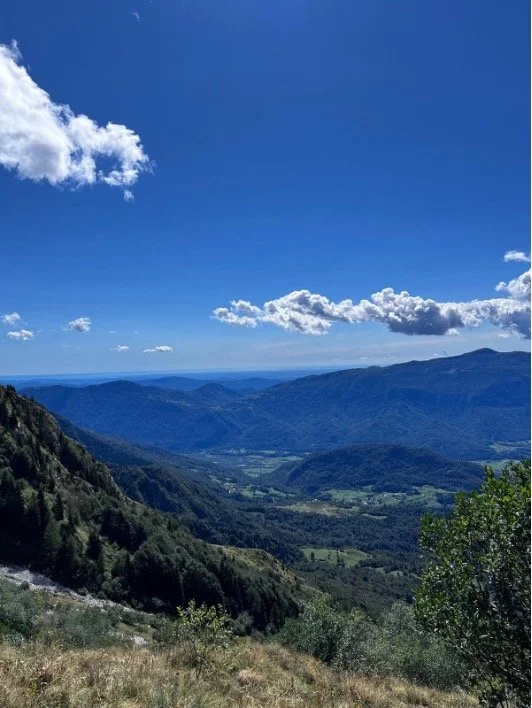
Photo 2: View from Planina Zapleč in Slovenia
In Europe, disturbance is closely connected to management, as more than 90% of forests are actively managed. At the same time, forests are facing increasingly frequent and intense natural disturbances. Soil microbes play a crucial role in nutrient cycling, forest resilience, and recovery after disturbance, making it essential to understand how these communities respond to both natural and management-related pressures. These questions became the central focus of my work.
More recently, through projects in Prague and Ljubljana, I have been able to explore these questions across boreal, temperate, and Mediterranean forests, with nearly 2000 soil samples collected across a wide range of management contexts and experimental designs. While microbial responses are largely context-dependent, one pattern consistently emerges: close-to-nature forest management appears to cause minimal disruption to microbial diversity and function, even across very different environmental settings. This highlights its potential for sustaining belowground biodiversity and the ecosystem processes that forests depend on.
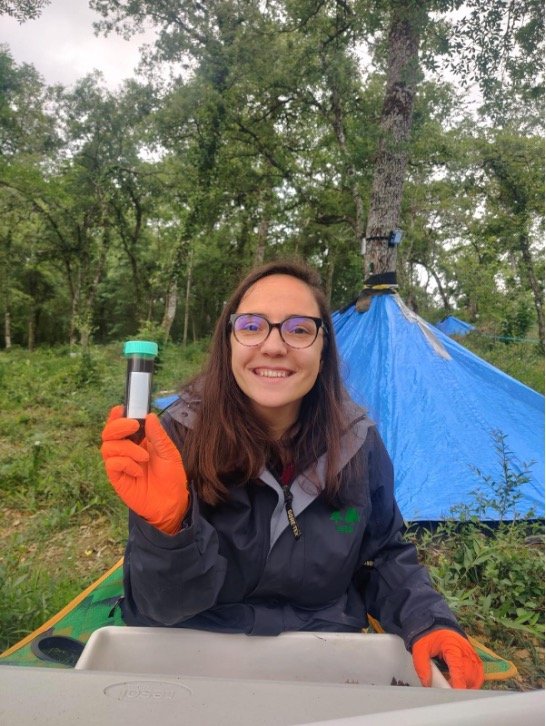
Photo 3: Field work. If the falcon tube appears to contain soil… look again. Sometimes field microbiologists hide their coffee in unexpected places.