

Blog Archive:
Beneath Our Feet
European forest soil microbiomes under disturbance and management
Dr. Tijana Martinović (Institute of Microbiology of the CAS, Czechia; Slovenian Forestry Institute, Slovenia)
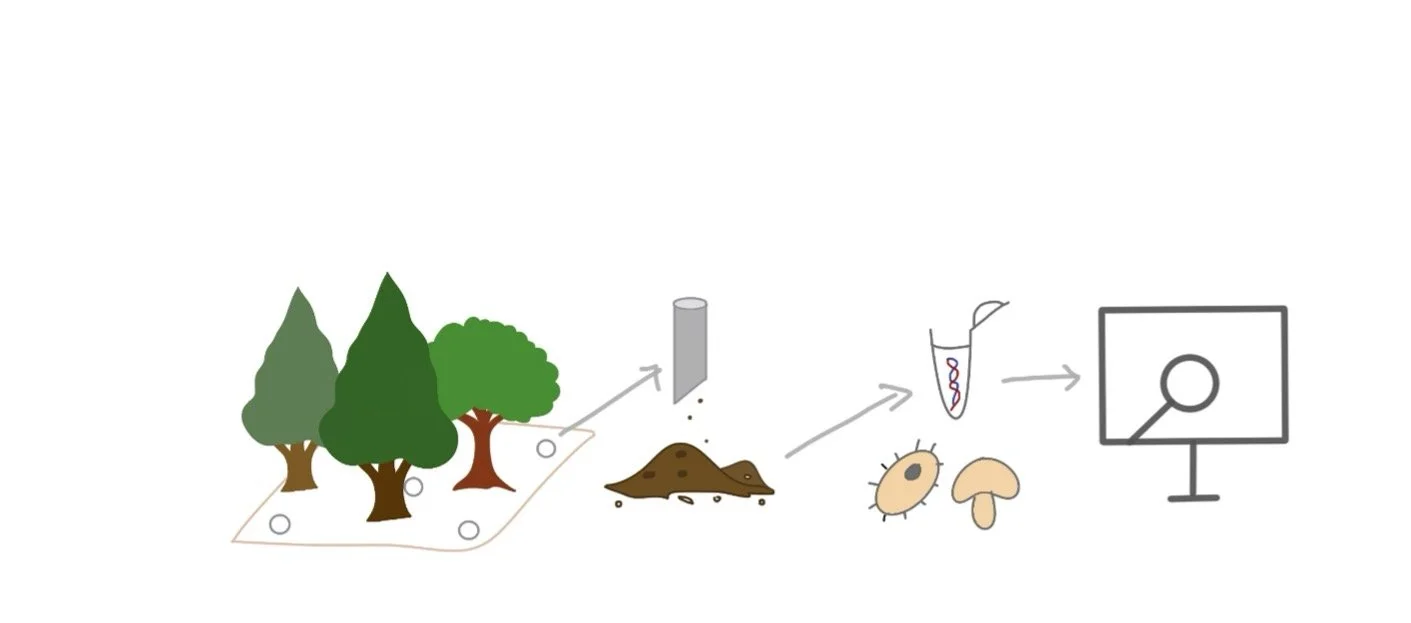
Illustration 1: Harmonized protocols are essential for soil biodiversity monitoring.
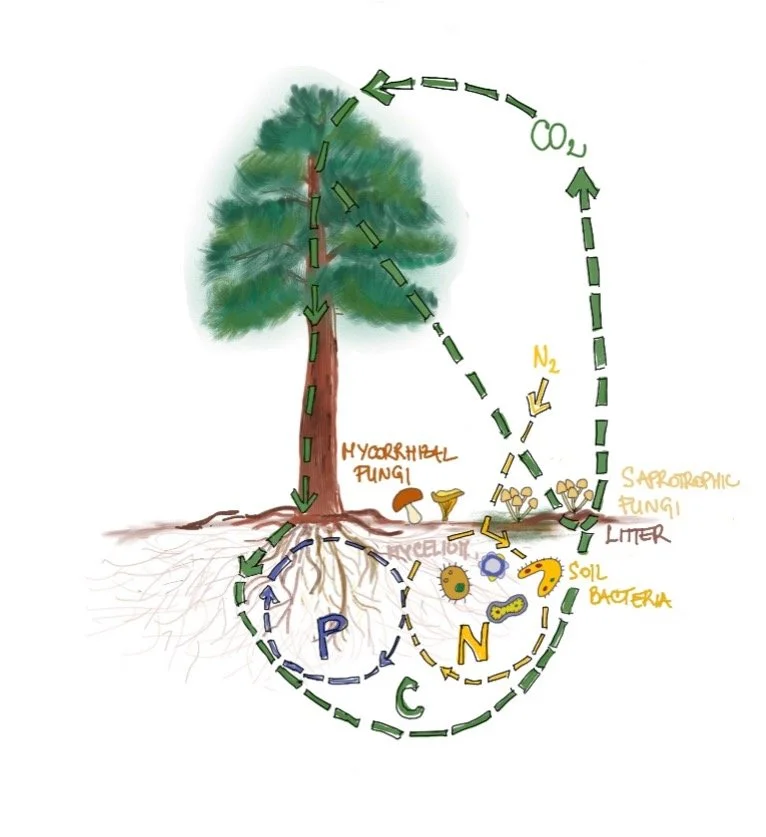
Illustration 2: Microbial communities regulate key soil processes, including the cycling of carbon, nitrogen, and phosphorus that sustain forest productivity.
My path into studying forest soil microbiology began somewhat unexpectedly. As a second-year student of a bachelor program in microbiology, out of curiosity, I enrolled in a course at another department. The description mentioned forest mycorrhiza, which I knew little about at the time, but found rather intriguing. The course was taught by Dr. Hojka Kraigher, whose enthusiasm for this topic inspired me from the very first lecture. She welcomed students into her research group, and I joined without a second thought.
Beginning my research path studying forests in Slovenia felt like the perfect setting. Slovenia is one of the most forested countries in Europe, with nearly 60% of its land covered by forests and a long tradition of close-to-nature, sustainable forest management. There I learned the methods that would shape my career, from field sampling to molecular tools, while working on projects focused on sustainable forestry and biodiversity conservation.
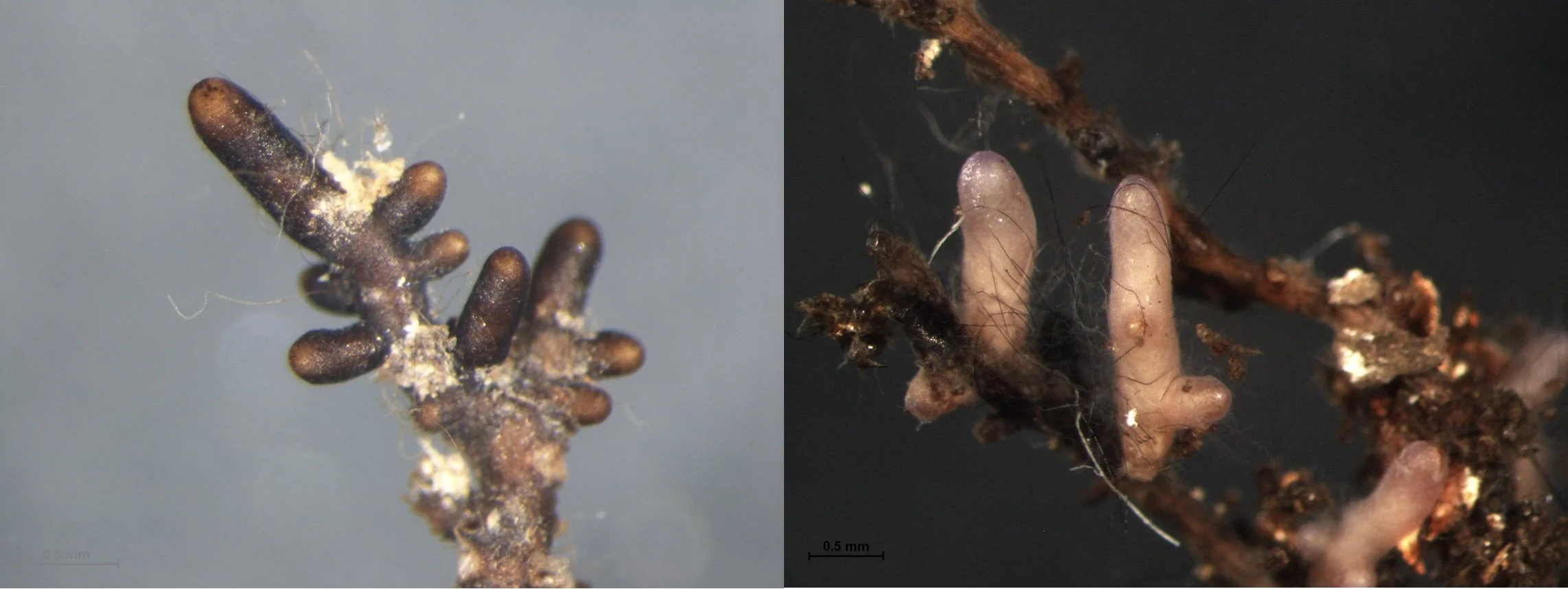
Photo 1: Mycorrhizal root tips. Humaria hemisphaerica (left) and Laccaria amethystina (right) from an oak forest in Slovenia. Photo credit: Tanja Mrak, Slovenian Forestry Institute
I later joined the group of Dr. Petr Baldrian in Prague, which became the next formative period of my scientific development. During my PhD, I studied the drivers of microbial communities in forest soils: how microbes utilise carbon, how their communities vary across spatial and temporal scales, and how they respond to disturbance.
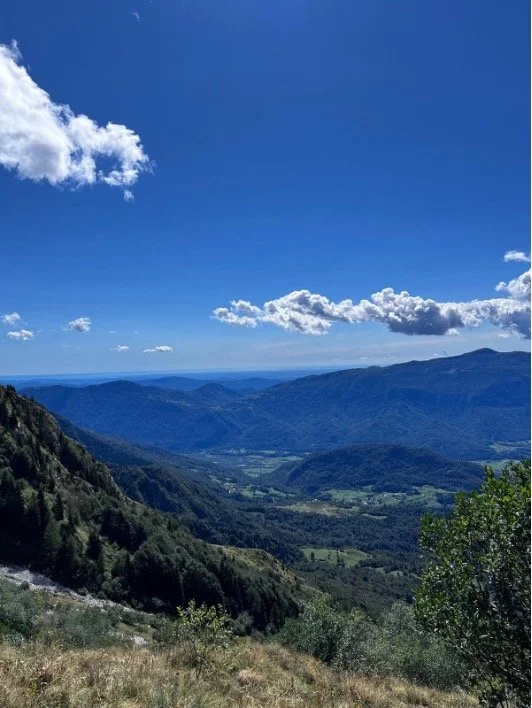
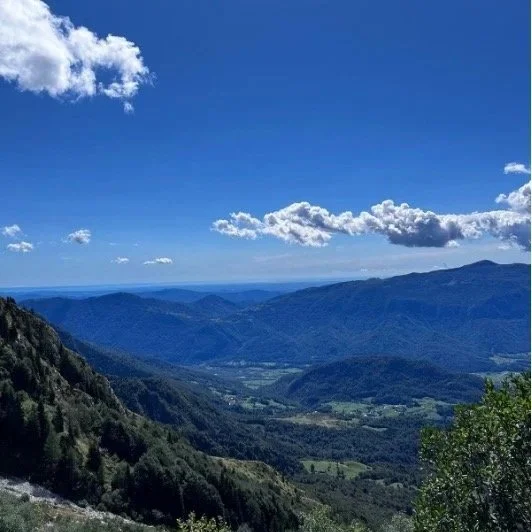
Photo 2: View from Planina Zapleč in Slovenia
In Europe, disturbance is closely connected to management, as more than 90% of forests are actively managed. At the same time, forests are facing increasingly frequent and intense natural disturbances. Soil microbes play a crucial role in nutrient cycling, forest resilience, and recovery after disturbance, making it essential to understand how these communities respond to both natural and management-related pressures. These questions became the central focus of my work.
More recently, through projects in Prague and Ljubljana, I have been able to explore these questions across boreal, temperate, and Mediterranean forests, with nearly 2000 soil samples collected across a wide range of management contexts and experimental designs. While microbial responses are largely context-dependent, one pattern consistently emerges: close-to-nature forest management appears to cause minimal disruption to microbial diversity and function, even across very different environmental settings. This highlights its potential for sustaining belowground biodiversity and the ecosystem processes that forests depend on.
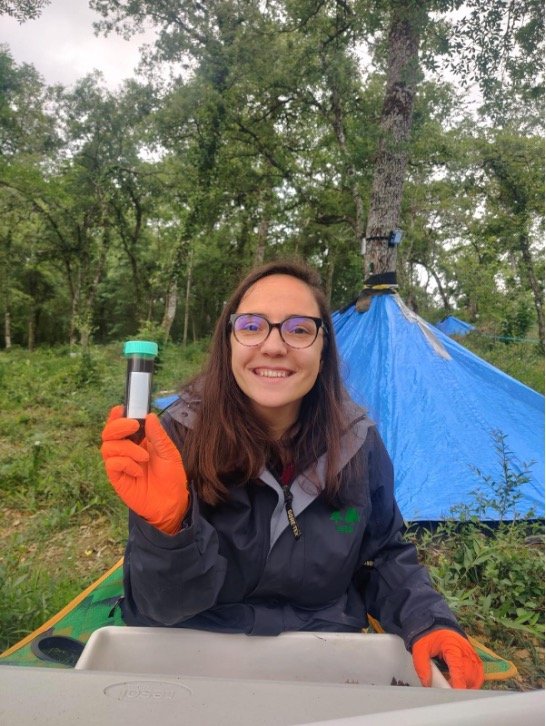
Photo 3: Field work. If the falcon tube appears to contain soil… look again. Sometimes field microbiologists hide their coffee in unexpected places.
Soil animal biogeography? Using oribatid mites as a good start!
Xue Pan, University of Göttingen (Germany)
Every soil biologist has likely asked themself: Why are soil organisms so diverse and abundant even within a small patch of soil; Why have some species a cosmopolitan distribution whereas others are endemic; and is it still possible to collect the same species at the same locations after several decades. How do you answer these questions? I suspect that you would try to explain them from as many perspectives as possible—from species’ morphological characteristics to functional traits, from ancient lineages to present-day communities, and from environmental factors to human activities—in order to make your answers more reasonable and convincing. Congratulations! This means that you are approaching soil biodiversity with a modern biogeographical mindset, a multidisciplinary science dating back to the mid-eighteenth century that attempts to document spatial patterns of biological diversity.
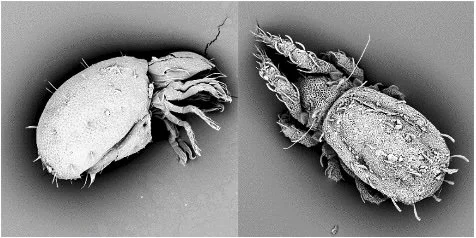
Steganacarus applicatus from Austria (left) and Nothrus anauniensis from China (right) (© Xue Pan, Ulrike Lipka, Mark Maraun)
Soil oribatid mites (Oribatida, Acari) are my favorite study organisms. They are evolutionarily ancient soil animals that originated in the early Paleozoic or possibly even in the Precambrian. They are among the most diverse and abundant belowground animals, with more than 11,000 species described (although up to 100,000 species may exist overall), and they currently occupy virtually all ecosystems.
As an initial attempt in soil Oribatida biogeography, I investigated the distribution of soil oribatid mites at local and regional scales, focusing on the Alps in Europe and Changbai Mountain in the Palearctic region of Asia. I aimed to understand the interplay among historical geological settings, contemporary environmental factors, and species traits in shaping the distribution of soil oribatid mites. Distinct patterns of diversity, community structure, and reproductive modes of soil oribatid mites were observed along altitudinal gradients, with parthenogenesis (i.e., asexual reproduction from unfertilized eggs) dominating among species shared between the two mountain systems. Furthermore, stable isotope analyses (15N; 13C) revealed pronounced differences in trophic niche differentiation, mainly due to differences in parent rock types between the two mountains, thereby elucidating mechanisms underlying oribatid mite species diversity and coexistence in montane soil habitats. Subsequently, by combining phylogenetic and trait-based approaches, we found that soil oribatid mites on Changbai Mountain are phylogenetically older than those in the Alps. Notably, most Changbai Mountain species exhibit broader trophic niches, larger geographical range sizes, and a higher frequency of parthenogenetic reproduction compared with Alpine species. A second attempt was conducted in the Indo-Australian Archipelago, where soil oribatid mite species diversity and endemism were high across all regions studied. Dissimilarity patterns indicate biogeographical regionalization between the Sunda Shelf and the Sahul Shelf, i.e. the Wallace line, which was strongly correlated with geological distance, highlighting the key role of vicariance in shaping oribatid mite distribution patterns.
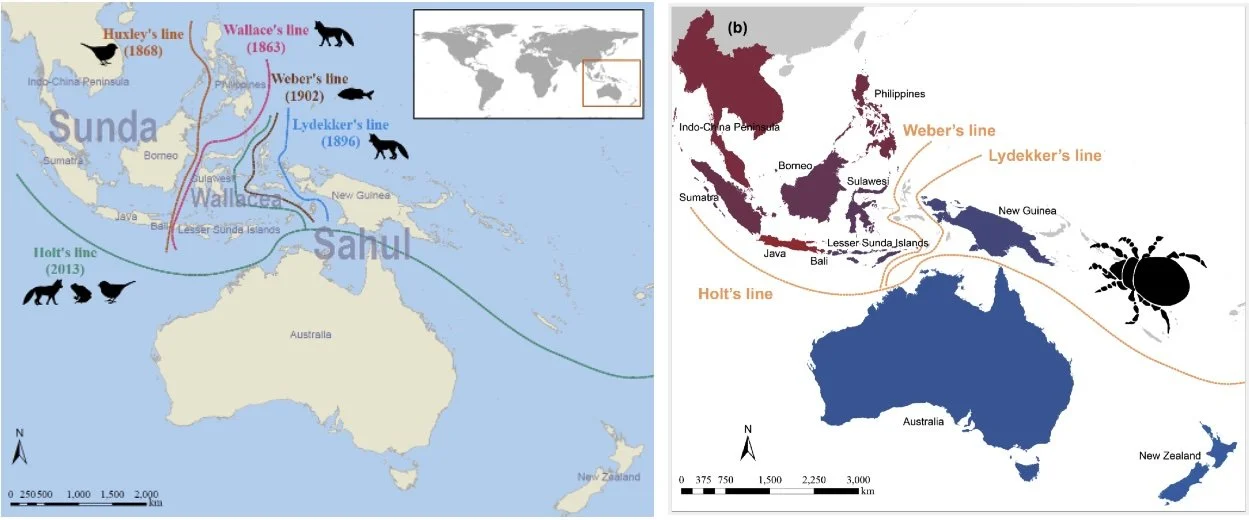
Scheme of the Indo-Australian Archipelago with zoological boundaries based on aboveground and aquatic animal taxa (left) and aboveground taxa indicated by soil oribatid mites (right).
My steps on soil Oribatida biogeography have moved forward to the global scale. However, the first major challenge, also a serious bottleneck, is the lack of credible global distribution data for soil oribatid mites. Another challenge is how to organize published distribution data and, where possible, to incorporate unpublished records. These efforts are represented by the Global Oribatid Occurrence Dataset (GOOD) that I have synthesized to date. Notably, GOOD compiles detailed taxonomic and distributional information on oribatid mites worldwide and continues to grow through the addition of ecological and geographical data. However, GOOD is geographically biased, with the highest data resolution in Europe and the lowest in Africa, where some regions of tropical Africa are nearly devoid of data. Therefore, we advocate increased sampling efforts in underexplored and unexplored regions to reduce data incompleteness and to more accurately reconstruct global soil animal biogeography.
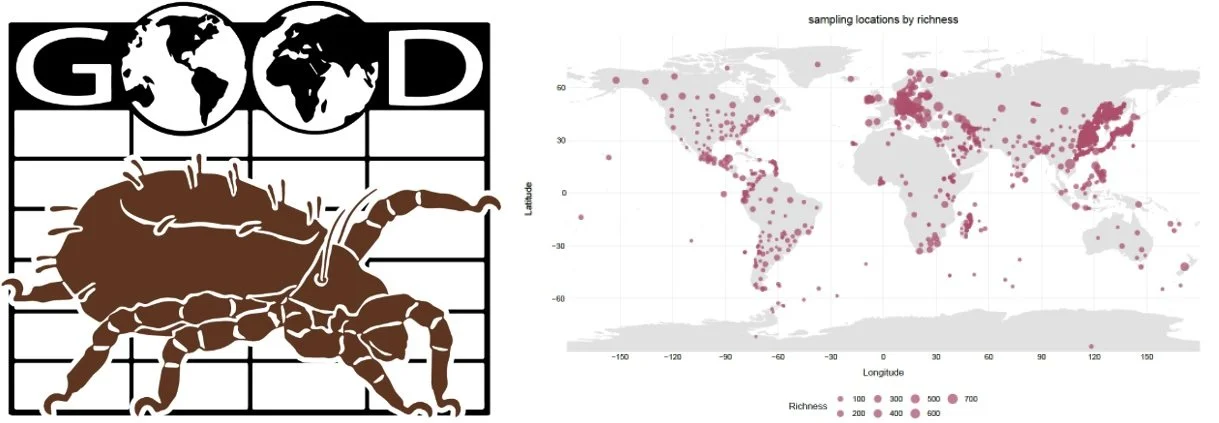
The Global Oribatida Occurrence Dataset (GOOD) and its data coverage (Pan et al., unpublished).
Assessing Soil Biodiversity: When to Use Which Method to Measure What?
Dr. Julia Köninger (University of Vigo, Spain)
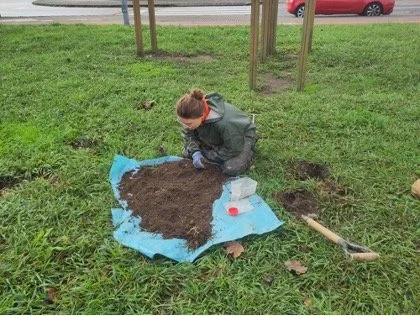
Julia looking for macrofauna from a soil monolith in an urban park.
While it is quite clear how important soil biodiversity is as the cradle for terrestrial biodiversity and for the wellbeing of humans, measuring it still causes many open questions. This is not necessarily becoming easier having more methods at hand. Over the last years, many researchers switched from morphological ways of studying soil life using the microscope or the magnifying glass to cheaper, less taxonomic expert-dependent molecular methods, analysing the DNA found in soils (environmental DNA, eDNA).
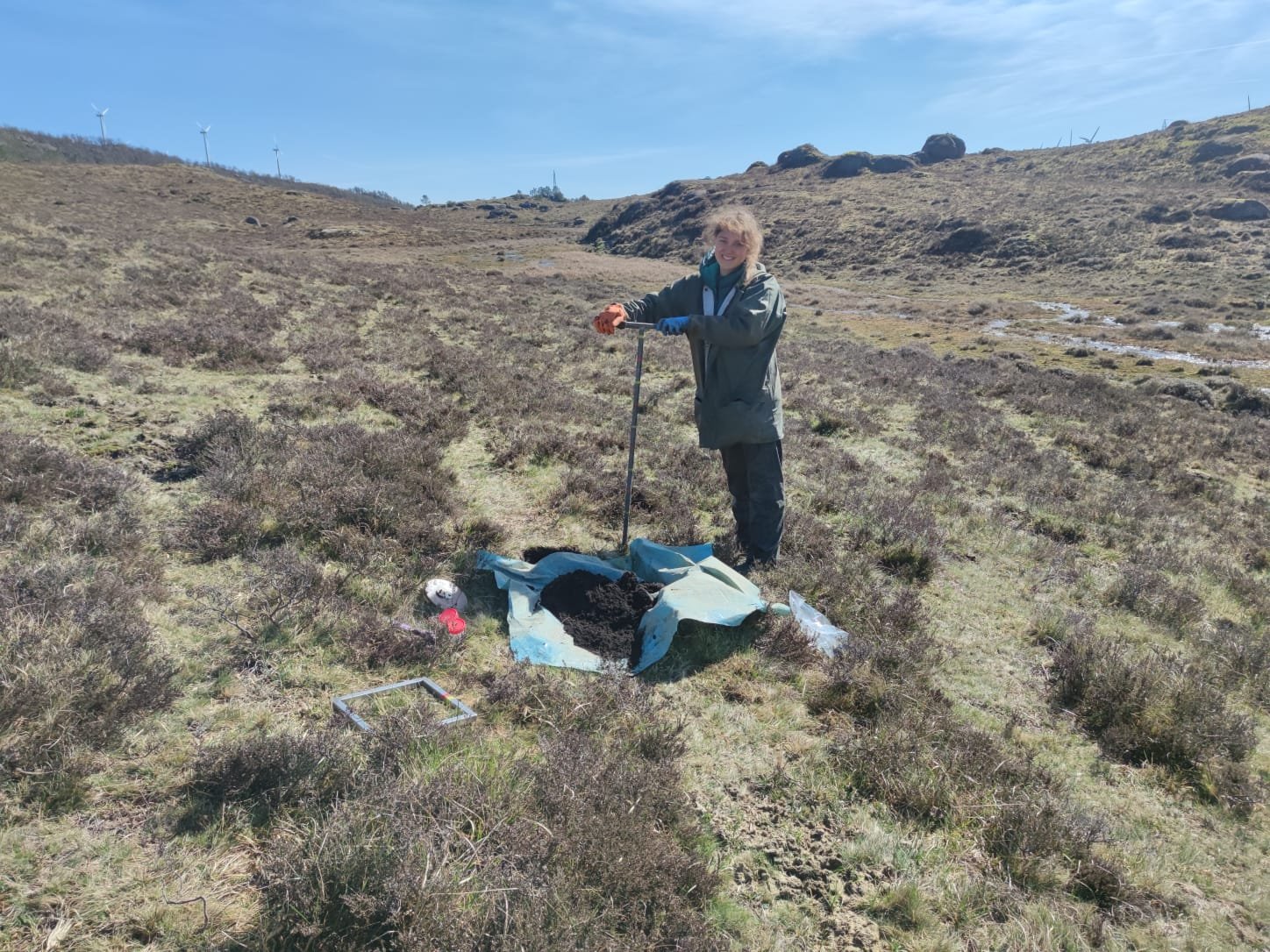
Julia taking an auger composite sample for DNA and nematode analysis at a Spanish wetland site.
My own path, however, went against this trend. In my PhD, I learned mostly about eDNA while working with the first Europe-wide sampling for eukaryotic DNA including eukaryotic microorganisms such as protists and fungi, along with soil fauna such as nematodes, arthropods and annelids. The 778 samples gathered through the LUCAS Soil survey allowed to compare the diversity in different ecosystems. Back then, I found surprisingly higher diversity in croplands compared to grass- and woodlands. It was not only me finding such results, but many other eDNA studies pointing in the same direction, also when looking at bacteria or archaea. But which story of soil life are molecular methods telling? In a recent study, we compared eDNA results with those of other EU-wide studies assessing soil fauna using morphological methods. What we found was that molecular methods tell a different story than morphology-based methods which are linking higher diversity to less intensive land use. These striking discrepancies raise a fundamental question for soil ecologists: which methods do you use for which purpose, especially when it comes to assessing soil life? Using eDNA you need to keep biases in mind arising from relic DNA of animals (necromass) that previously lived rather than currently live in that soil. Also, you might find many more cryptic species difficult to capture when extracting the animals from soils using heat, light or water or looking for them in soil monoliths causing discrepancies.
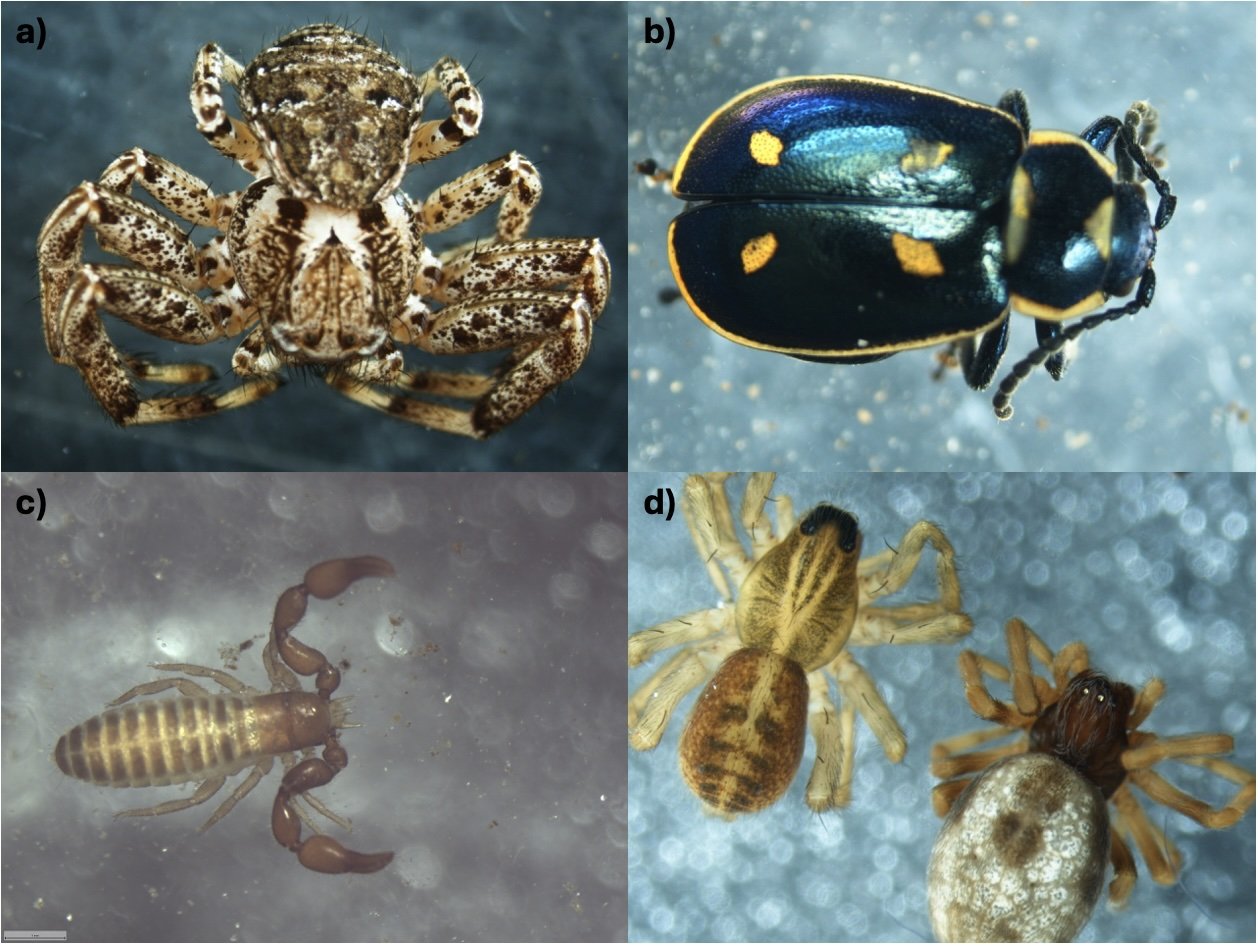
Macrofauna under the magnifying glass from the SOB4ES sampling: a) crab spider (Thomisidae), b) Eriopis (Coccinellidae), c) Pseudoscorpion (Chernetidae), d) wolf spider (Lycosidae) on the left and orb-weaver spider (Araneidae) on the right.
Consequently, it is crucial to consider the purpose of your study and the method to assess soil biodiversity - particularly in terms of National/Continent-wide monitoring schemes. They often rely on molecular methods to assess soil biodiversity as a first and feasible measurement such as the European Soil Monitoring and Resilience Law that was formalized in 2025, requiring Member States to monitor bacteria and fungi as a minimum. Soil fauna, however, probably will remain neglected in many monitoring schemes. Here, it is crucial that widely applied molecular methods require cross-validation and improving e.g. by filtering out necromass or by considering larger soil volumes. This is one of the goals of my post-doc, where I analyze soil fauna across spatial and temporal gradients from wetlands, urban sites, woodlands, grasslands and croplands using morphological as well as molecular methods.
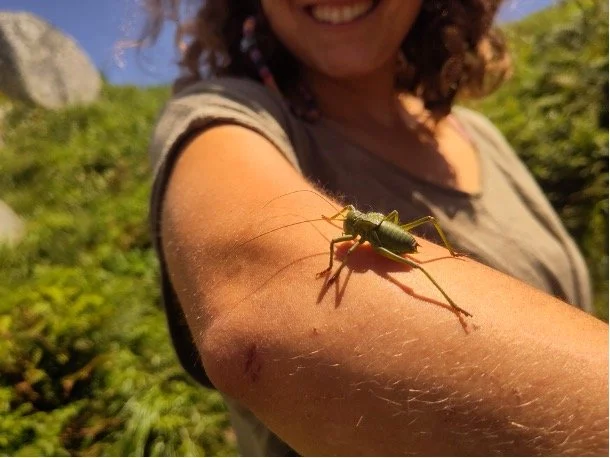
Julia visited by a curious bush cricket.
More insights into my work and probably many photos of beautiful soil dwellers will be presented at the GSB conference in Canada – looking forward seeing you there!
Soil Biodiversity–Ecosystem Functioning (sBEF): The More, the Better?
Dr. Alejandro Berlinches de Gea (Wageningen University, Netherlands)
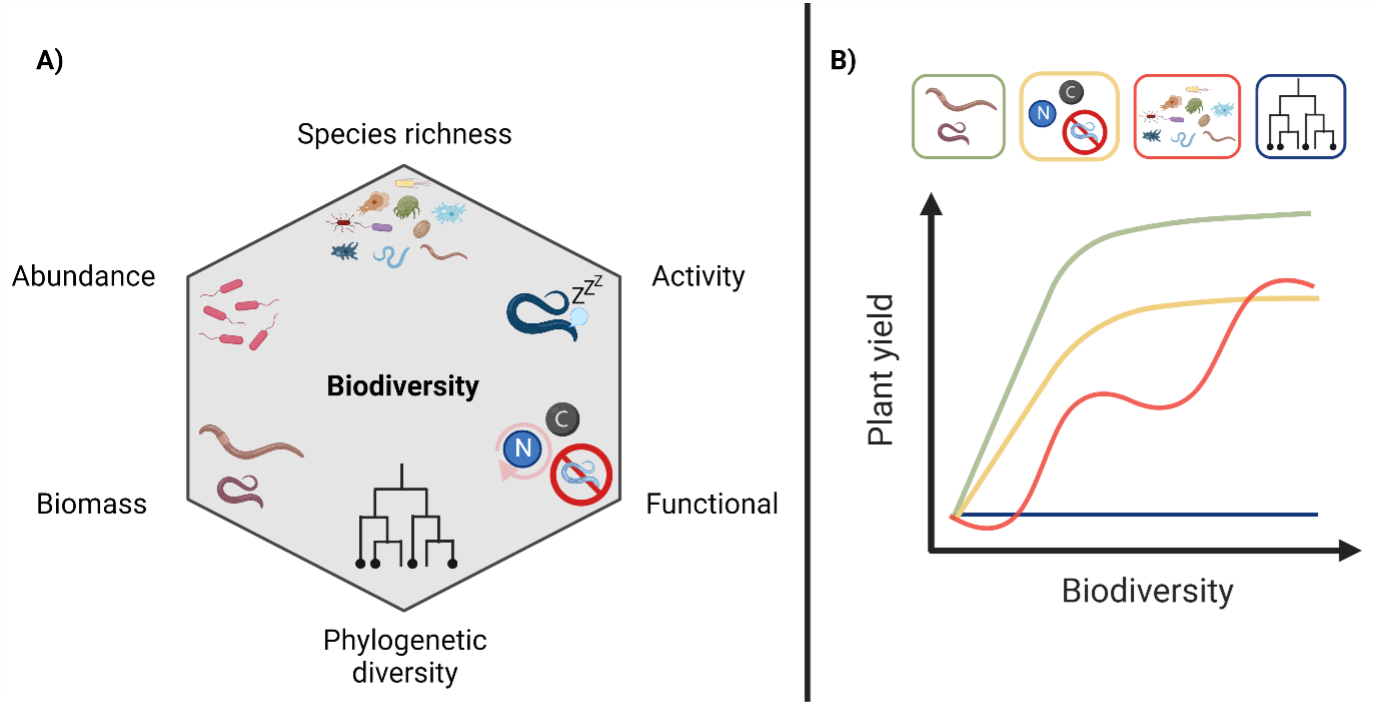
(a) Conceptual illustration of the different facets of soil biodiversity that underlie soil biodiversity and ecosystem functioning (sBEF). (b) Hypothetical representation of the sBEF link depending on the biodiversity facet considered. The icons on top are related to the functions depicted by having the same color and are the same as in (a), representing biomass, functional diversity, species richness, and phylogenetic diversity as four different biodiversity facets.
(https://onlinelibrary.wiley.com/doi/full/10.1111/gcb.16471)
Andy Hector and Rowan Hooper, in 2002, revisited what is often considered the first ecological experiment. Originally described by Darwin in The Origin of Species, it dates back to 1826, when the Duke of Bedford’s head gardener tested how individual plant species and their mixtures performed. The outcome was clear: more diverse plant communities were more productive. Today, this idea is known as the Biodiversity–Ecosystem Functioning (BEF) concept stating that increasing biodiversity will enhance ecosystem functioning. But what happens when we move to soils, the most diverse ecosystem on Earth? In such a system with millions of organisms in a single teaspoon of soil, does adding or removing a few species still matter? And if a soil BEF (sBEF) relationship exists, is it always positive, or does it depend on environmental context and/or biodiversity indexes measured?
These questions form the core of my research. During my time at Wageningen University, under the supervision of Stefan Geisen, we tackled them using manipulative experiments that allowed us to directly control soil biodiversity under different global change drivers. By actively assembling soil communities with different levels of diversity, we could test whether increasing biodiversity truly benefits plants—or whether its effects depend on environmental conditions.
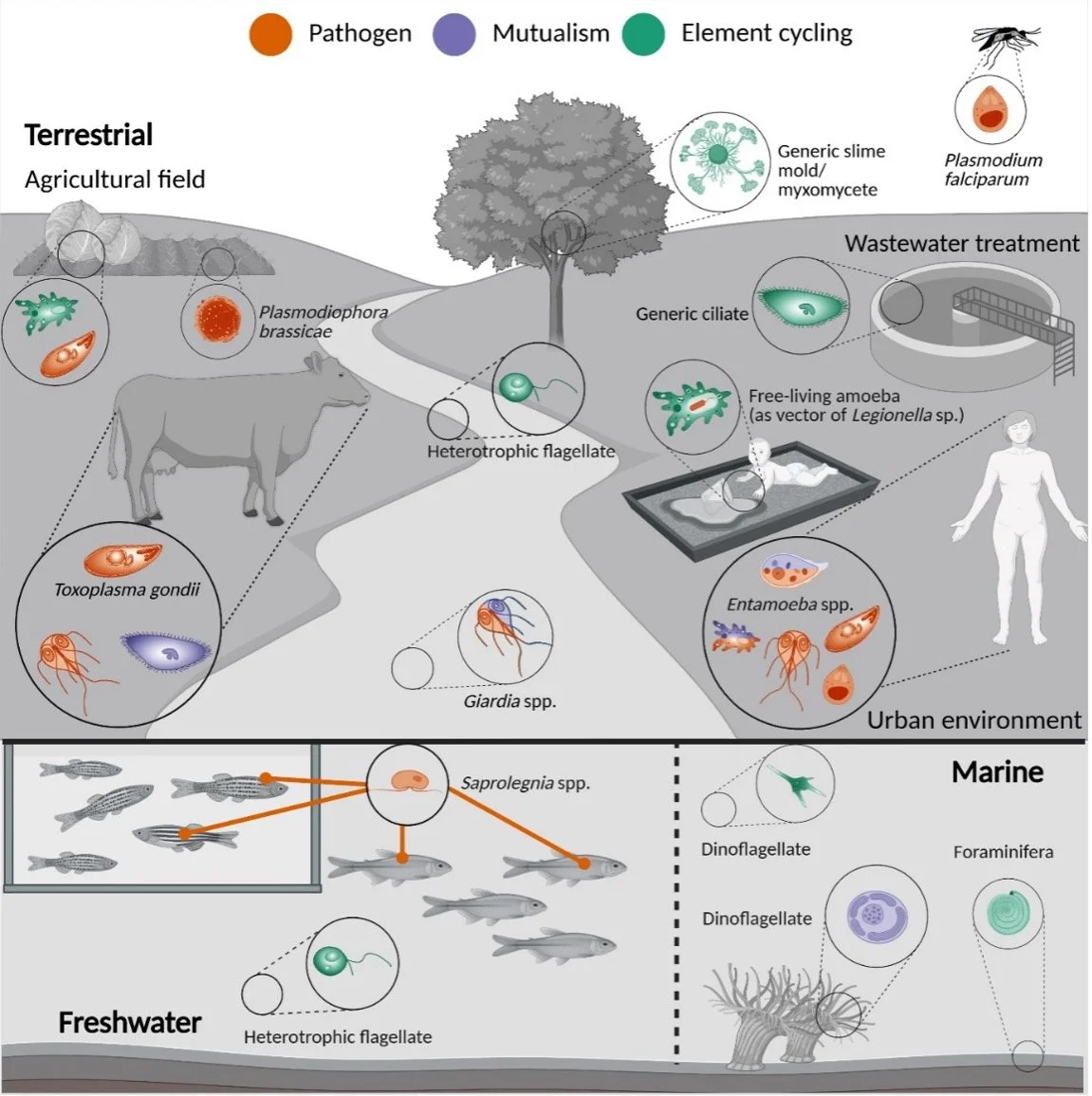
“Visual representation of the different roles that protists play in One Health in terrestrial, freshwater, and marine ecosystems” (https://academic.oup.com/ismej/article/19/1/wraf179/8239679)
To do so, we focused on a fascinating and often overlooked group of soil organisms: protists. Protists are unicellular eukaryotes that are neither plants, animals, nor fungi, yet they span the vast majority of the eukaryotic tree of life. Their extraordinary taxonomic diversity is matched by their functional versatility. Protists can perform different ecological functions such as pathogens, mutualists, or nutrient cycling—and some species switch roles depending on their life stage or environmental conditions. Predatory protists, in particular, play a central role in soil ecosystems. By predating mainly on bacteria and fungi, they shape the soil microbiome, release nutrients that plants can readily take up, and suppress pathogens either directly or indirectly. This process, known as the microbial loop, positions protists as key regulators of soil ecosystem functioning and ideal candidates for testing sBEF.
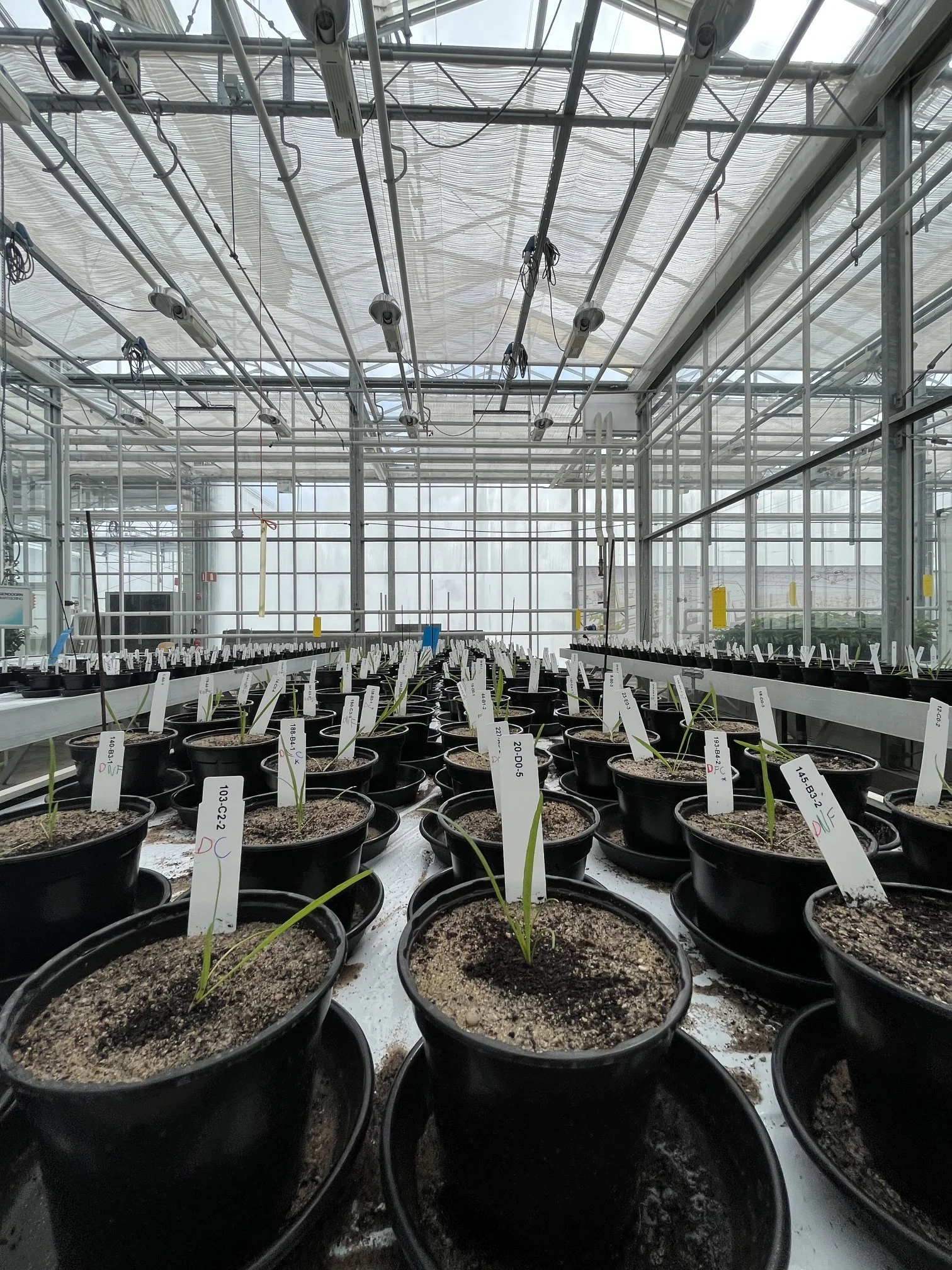
Experimental setup in a greenhouse at Wageningen University. Here we were testing the effect of increasing soil microbiome predator diversity (protist and nematodes) on plant performance under the influence of interacting global change factors.
As often shown by ecologists, our results reveal a strongly context-dependent sBEF relationship. An increasing protist diversity had neutral effects on plant performance under control conditions, positive effects when pathogens were present, and negative effects under drought. We also examined whether higher protist diversity could reduce the need for nitrogen (N) inputs. Rather than substituting fertilization, protist diversity and N acted complementarily: protists enhanced plant growth by restructuring bacterial communities, while N inputs mainly influenced plant nutrient content. Finally, when multiple global change drivers co-occurred, unpublished results suggest that soil microbiome predators may help sustain plant performance under increasing environmental stress. Thus soil biodiversity, especially protist, is essential for ecosystem functioning, but it is strongly dependent on the environmental changes driven by global change. If this has sparked your curiosity about protists and sBEF, stay tuned—there is still much to discover beneath our feet.
Soil Microbes and Grassland Restoration
Dr. Jennifer Bell, University of Wyoming (United States)
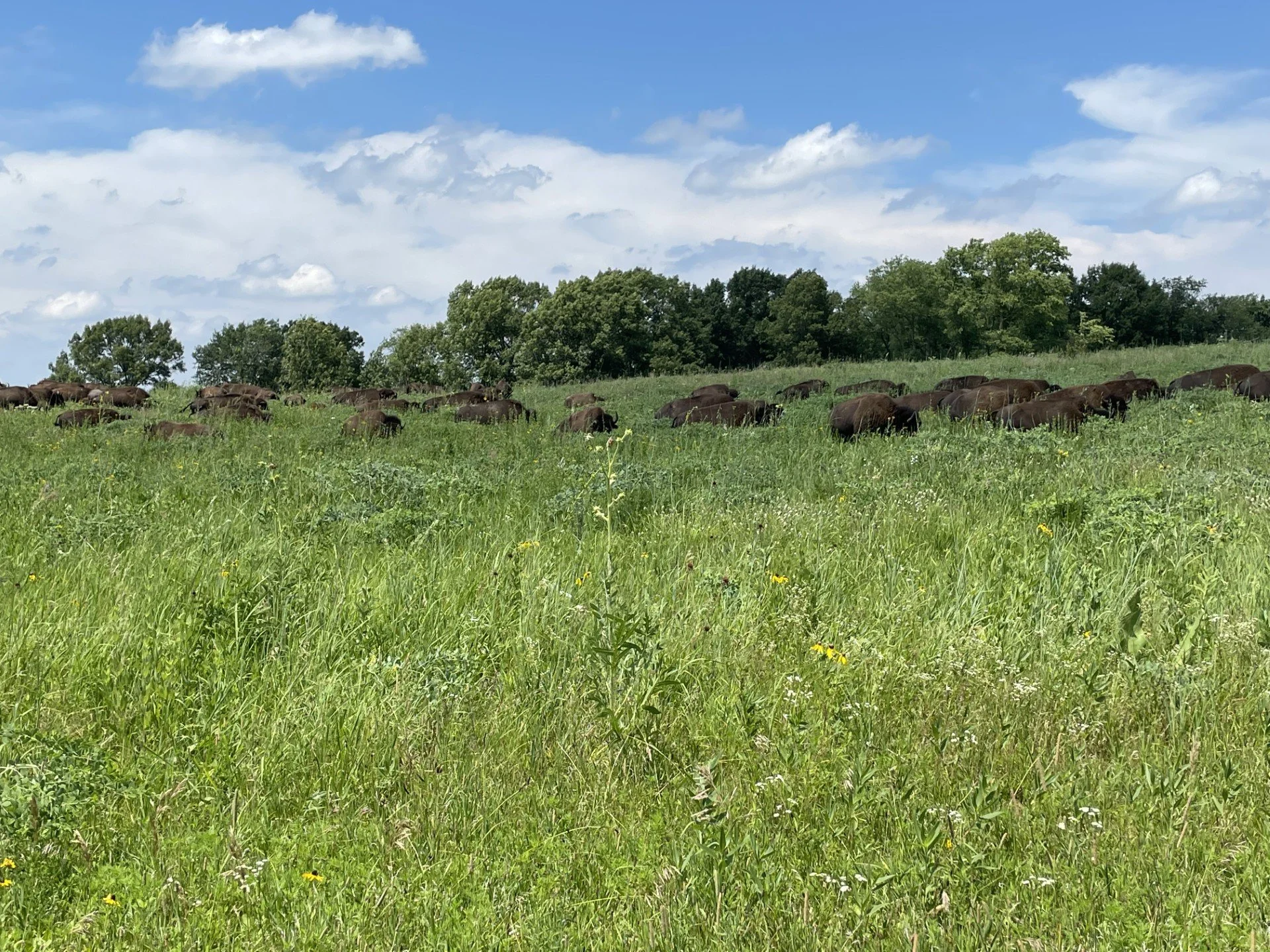
Bison roaming (and laying) at Nachusa Grasslands, Illinois
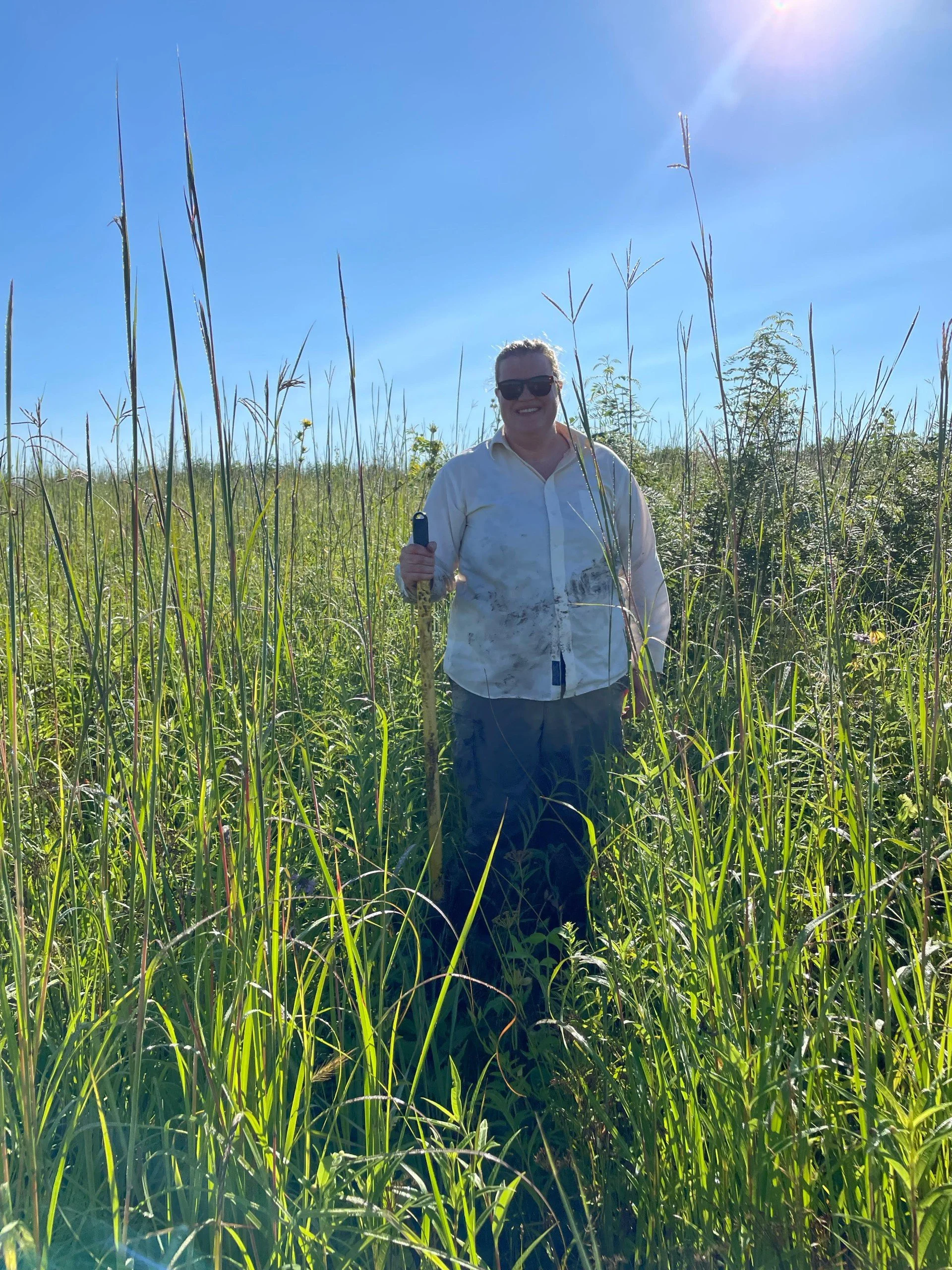
Dr. Jennifer Bell collecting soil samples at Nachusa Grasslands, Illinois
Changes in land use, plant invasion and anthropogenic impacts can cause huge alterations in soil microbial structure and function. These changes can then cascade into larger ecosystem functional shifts, which can then become hard to restore. Further, with climate change, negative impacts are expected to increase, making the need for restoration even greater. I first became interested in the effects of restoration on the soil microbiome structure and function as an undergraduate, working in a soil biogeochemistry lab at the University of Wyoming. During this time, cheatgrass (Bromus tectorum) was invading much of Wyoming’s rangelands. Cheatgrass quickly becomes a monoculture in semi-arid prairies, outcompeting native grasses and significantly decreasing forage availability for both livestock and wildlife. While we did not look at restoring rangelands after invasion, just at the dynamics of cheatgrass invasion was doing, this stoked my interest in invasive species and restoration. Following this interest, I researched the impacts of smooth brome (Bromus inermis), another invasive grass, on mixed grass Canadian prairies during my PhD. We found that these prairies are highly seasonally dominated with the large seasonal fluctuations in climate outweighing the effect of the invasion on ecosystem services. However, smooth brome impacted the soil microbial community assembly processes as well as soil chemistry, which has long term impacts on ecosystem functioning on top of large seasonal fluctuations.
I was finally able to immerse myself in the restoration space during my postdoctoral work on the Morton Arboretum. There, I had the privilege of working on two tallgrass prairie restoration projects. Prior to European colonization, tallgrass prairie covered ~170 million acres in North America, but only about 1% of that remains. This is a unique ecosystem that relies on frequent fire set by humans, but most of it has been converted to agriculture. I was able to work at a large tallgrass prairie restoration site, Nachusa Grasslands (with former GSBI postdoc extraordinaire, Elizabeth Bach), to look at how arbuscular mycorrhizal fungi (AMF) are restored with tallgrass prairie restoration. We found that bison were important drivers of AMF community composition, and diversity recovered quickly after fire.
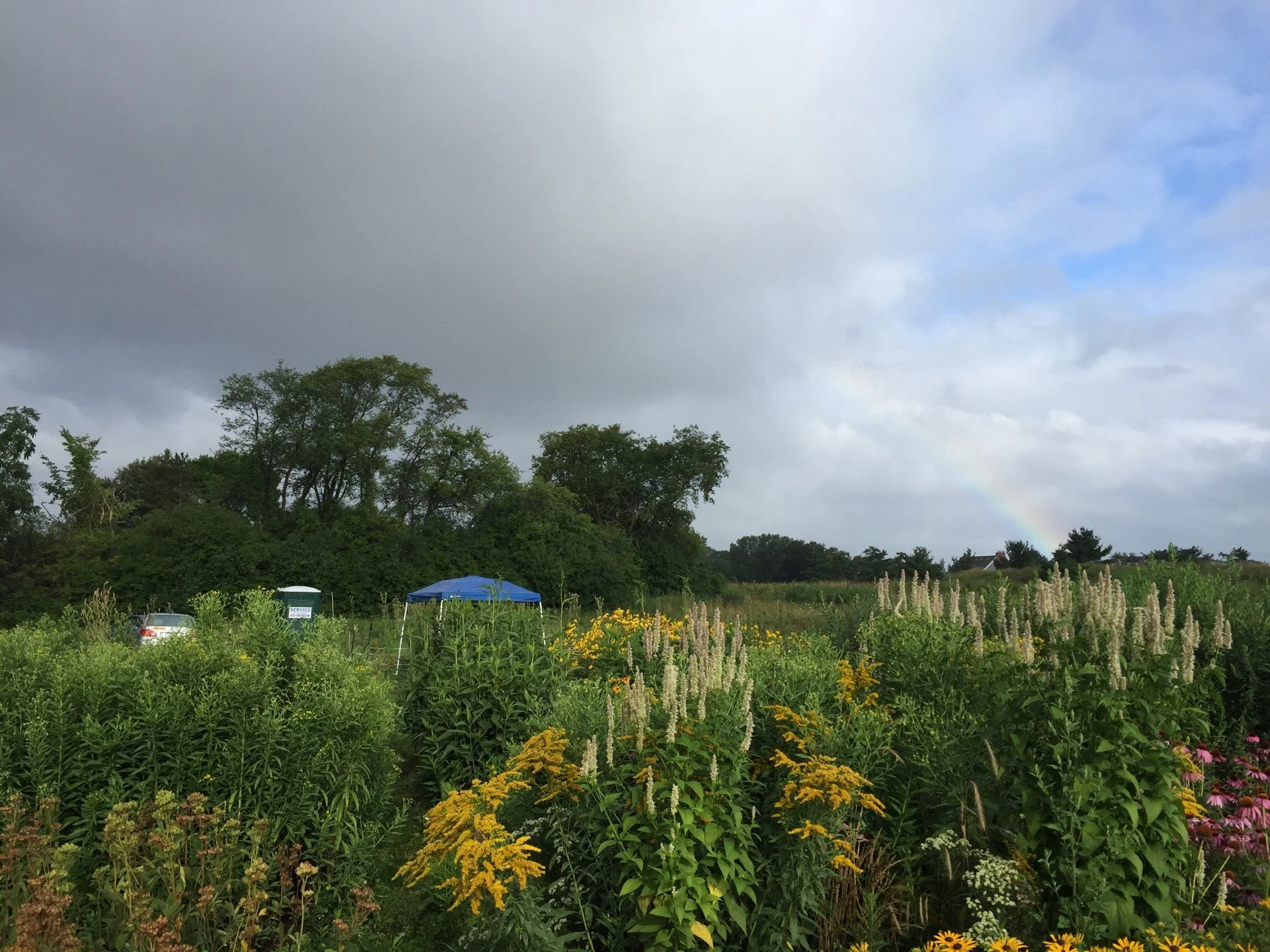
Tallgrass prairie restoration project at Morton Arboretum, Illinois
The second tallgrass prairie restoration project was a large-scale field manipulation at the Morton Arboretum. Andrew Hipp designed an elegant experiment where 127 different tallgrass prairie species were planted both in monoculture and polycultures. Each polyculture was planted with three different levels of phylogenetic diversity (how closely related the plants in the plot were to each other, high diversity or distantly related, medium and low diversity or closely related) and two different levels of trait diversity (high or lots of different functional traits together and low or similar functional traits together). My role was to examine how these levels impacted belowground microbial diversity and functioning. Unfortunately, despite Andrew’s beautiful design, we found that manipulating plant phylogenetic and trait diversity does not influence microbial community structure nor function. We also found that the microbial communities did not differ between monocultures. Instead, we have found that the most important factor in shaping microbial communities is simply plant diversity. It appears it matters not what you plant, but how much biodiversity you incorporate into your restoration!
I am now back at the University of Wyoming. Wyoming’s economy is largely based on mineral extraction and the production of energy. As you can imagine, these activities lead to the ample need for restoration and reclamation. I am currently working on a project involving the use of different soil amendments in coal mine reclamation and another project looking at uranium mine reclamation. The uranium mine ceased operations in the early 1960s, prior to the Surface Mining Control and Reclamation Act of 1977, so the mine was left abandoned. Starting in 2008, the Wyoming Abandoned Mine Lands division began reclaiming the site. So far, we are finding that the reclaimed sites have much lower soil carbon and plant diversity than nearby reference sites. Moving forward we will be sequencing the microbial communities and looking at extracellular enzyme activity in hopes of restoring Wyoming’s rangelands back to proper functioning. Soil and its inhabitants play pivotal roles in restoration, and my lab is excited to continue researching this issue!
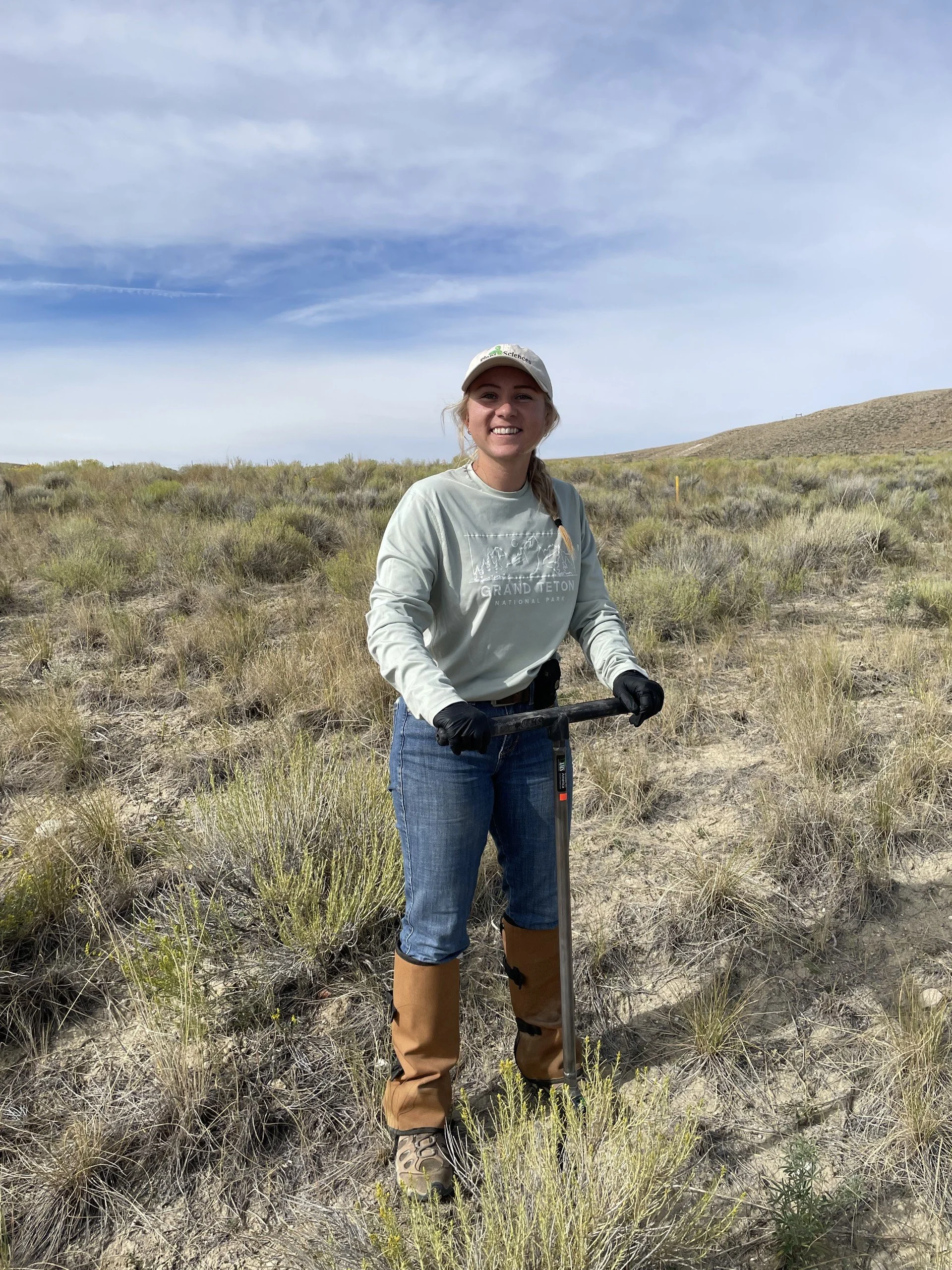
Graduate student, Lindsie Farver, collecting soil samples at a uranium mine reclamation site in Wyoming
Sweet words for soil biodiversity under sugarcane plantations in Africa
Juliette Chassain, University of Cape Town (South Africa)
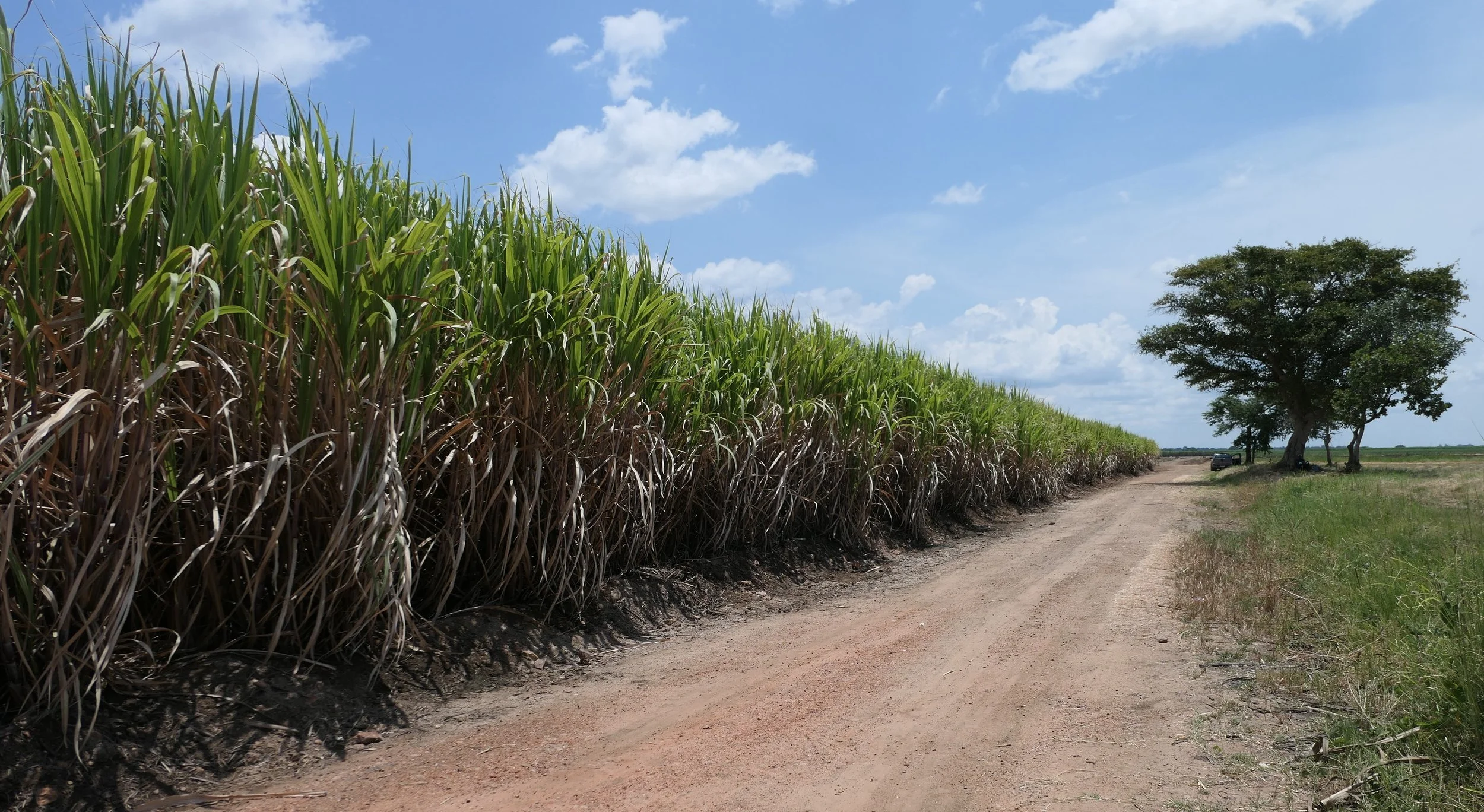
A sugarcane field in subtropical Africa (Zambia)
When thinking about agricultural soils, or more specifically about arable lands, food products such as cereals, vegetables and fruits may come to mind. Upon beginning my research journey in the Paris Basin in France, wheat and maize were the first food products that surfaced in my mind. But as I prepared to move to South Africa, I realized that there was another incredibly common agricultural product whose impact on our soils is easily overlooked: sugar. Yes. What about soils used to produce sugar? Although sugar can be extracted from both sugarcane and sugar beet, sugarcane alone contributes to 80% of the sugar production worldwide. Sugarcane cultivation areas cover up to 1.5 million hectares in Africa and 27 billion hectares worldwide! Hence, it represents an important share of cultivated soils in subtropical and tropical regions. And, surprise, there is very little data on the impact of sugarcane cultivation on soil health - with even less on soil biodiversity.
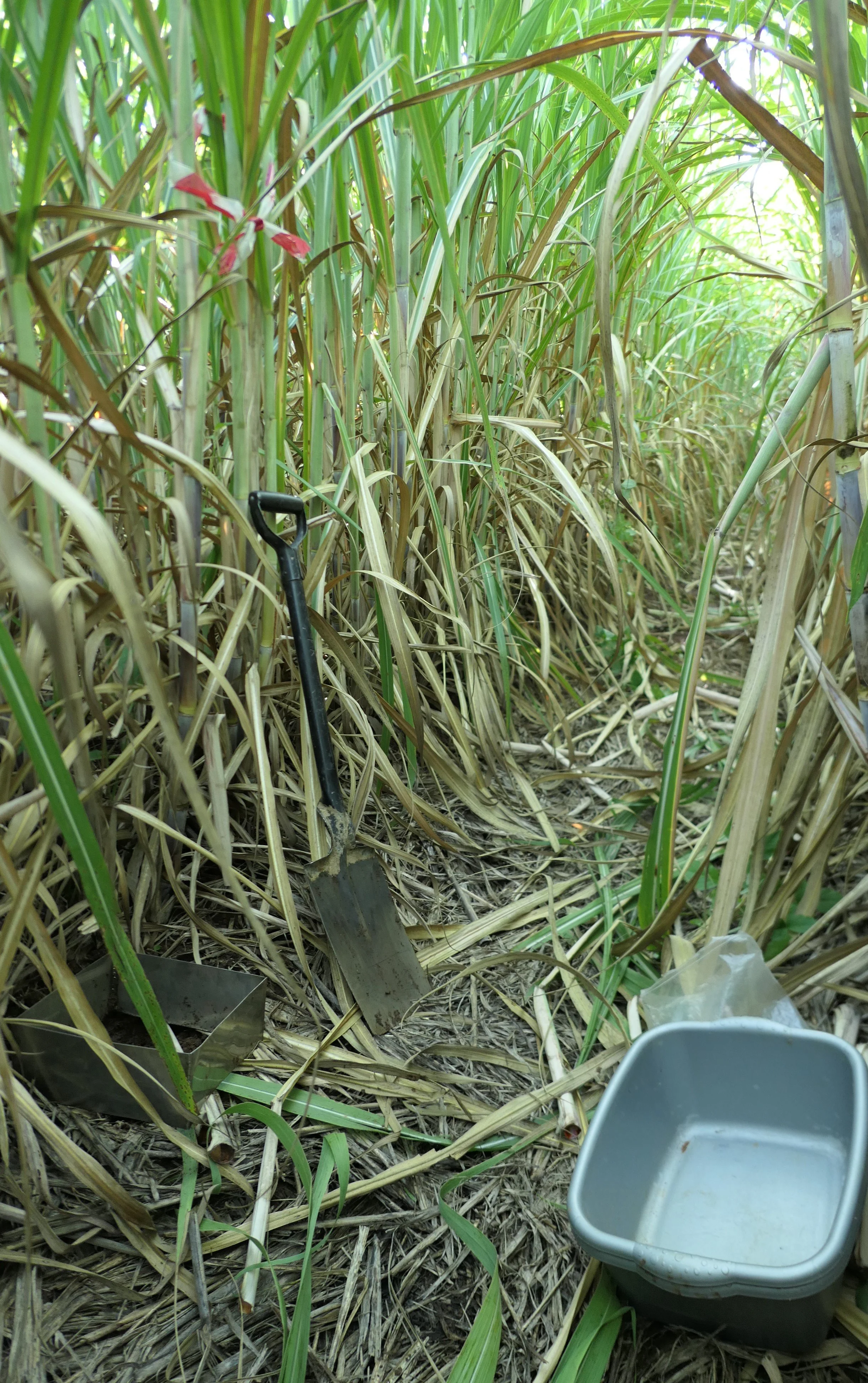
Sampling soil biodiversity in sugarcane fields can be hectic and it’s easy to get lost. Samples are collected on the crop row using shovels, spades, metal frames and corers.
Sugarcane agroecosystems are fascinating and represent a unique environment to study the effect of disturbances on soil biodiversity. At first sight, this giant perennial grass seems to provide relatively stable conditions for soil organisms compared to other crops: it grows to a height of 2 to 4 meters, has a long growth time and undergoes several cycles of harvest and regrowth. However, each harvest is preceded by the burning of the standing cane, and the soil is subjected to deep tillage and left bare before a new plantation is initiated. Over recent years the sugarcane yields have been decreasing and unstable in southern Africa, in part due to degrading soils and extreme climatic events. Given that sugarcane is an important source of local employment, and considering the growing global demand for sugar, this could lead to further soil degradation and biodiversity loss. There is thus an urgent need to assess soil health and soil biodiversity in African sugarcane fields.
In this context, our research project aims to assess soil biodiversity and food webs within sugarcane fields of southern Africa (Zambia, Malawi and Eswatini). Embarking for this adventure, I realized that one must face many challenges to study soil biodiversity in southern African soils and in sugarcane areas. First, there is a massive knowledge gap on soil biodiversity in Africa, with many undescribed species and few local specialists. Then, studies on soil biodiversity in sugarcane fields are scarce, especially with regards to the impact of management practices. However, what can be seen as a challenge is also a great opportunity to address the current limitation in taxonomic knowledge in Africa and to provide a baseline for future assessments using various methods.
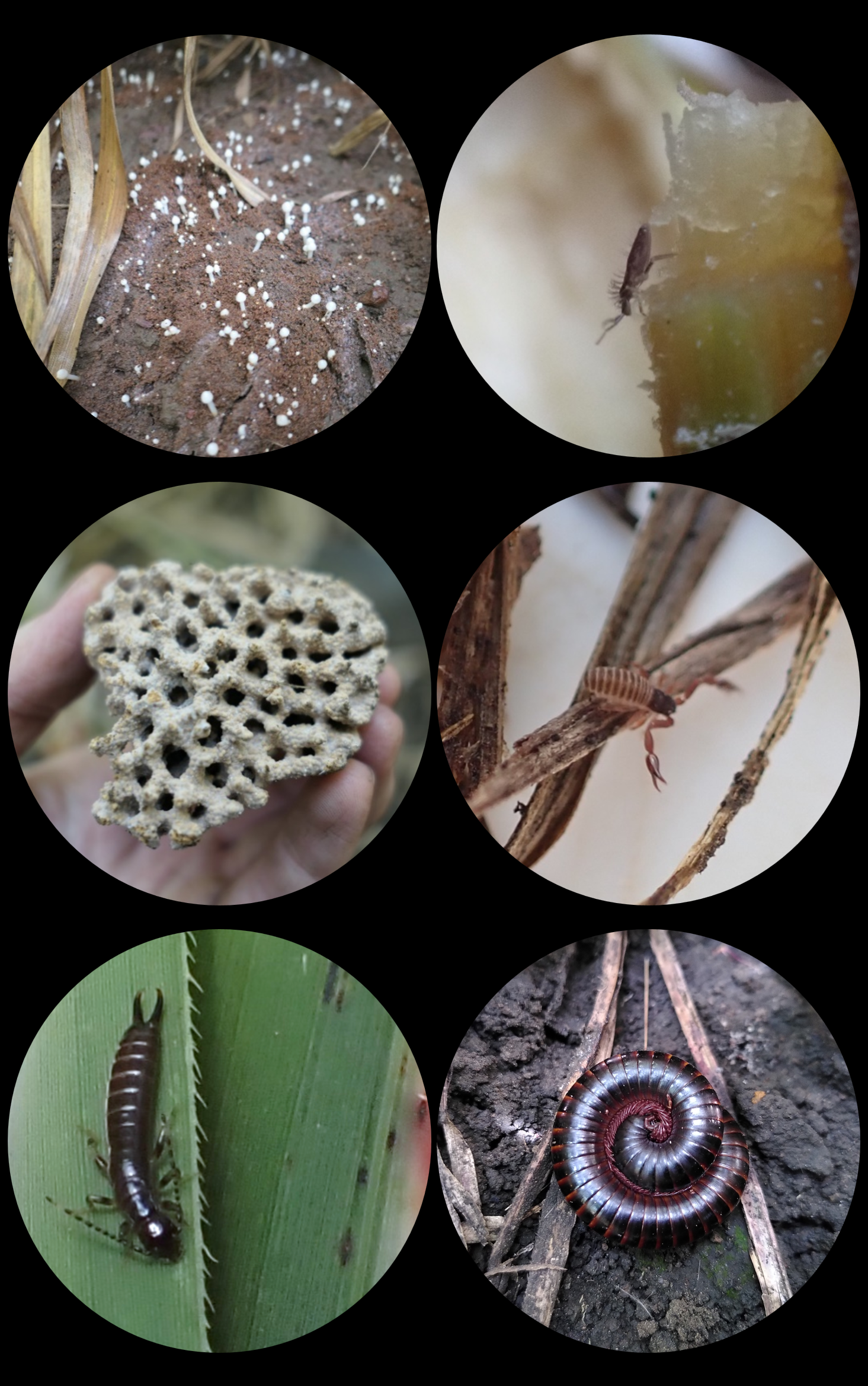
Examples of the soil organisms and structures sampled in sugarcane fields. From left to right and top to bottom: fungi on a termite nest, springtail (Collembola), termite nest, pseudoscorpion (Pseudoscorpionida), earwig (Dermaptera), millipede (Diplopoda). Credits: A. Kummer, S. das Neves & J. Chassain.
Specimens that we collected in sugarcane fields are sent to specialists throughout South Africa, who are eager to discover new species. Aiming towards innovative and relatively faster methods, samples are scanned to train image recognition programs, then some specimens are selected for barcoding and others for stable isotope analyses. This last point is particularly exciting as this will be the first time that complex soil food webs are assessed in sugarcane fields and subtropical areas using stable isotopes.
Overall, our study will provide a baseline understanding of soil biodiversity and food webs in African sugarcane fields and enhance knowledge of how sugarcane production impacts soil biodiversity worldwide. It is an amazing opportunity to assess potential levers to promote soil biodiversity in subtropical areas of Africa. Spoiler alert - the soil biodiversity in sugarcane fields of southern Africa is full of surprises, highly diverse and comprised of many unfamiliar taxa.
Read the project’s first paper here: https://doi.org/10.1016/j.pedobi.2025.151096
Why Do Thousands of Animal Species Thrive in a Single Patch of Soil?
By Dr. Ting-Wen Chen, The University of Göttingen (Germany) and National Chung Hsing University (Taiwan)
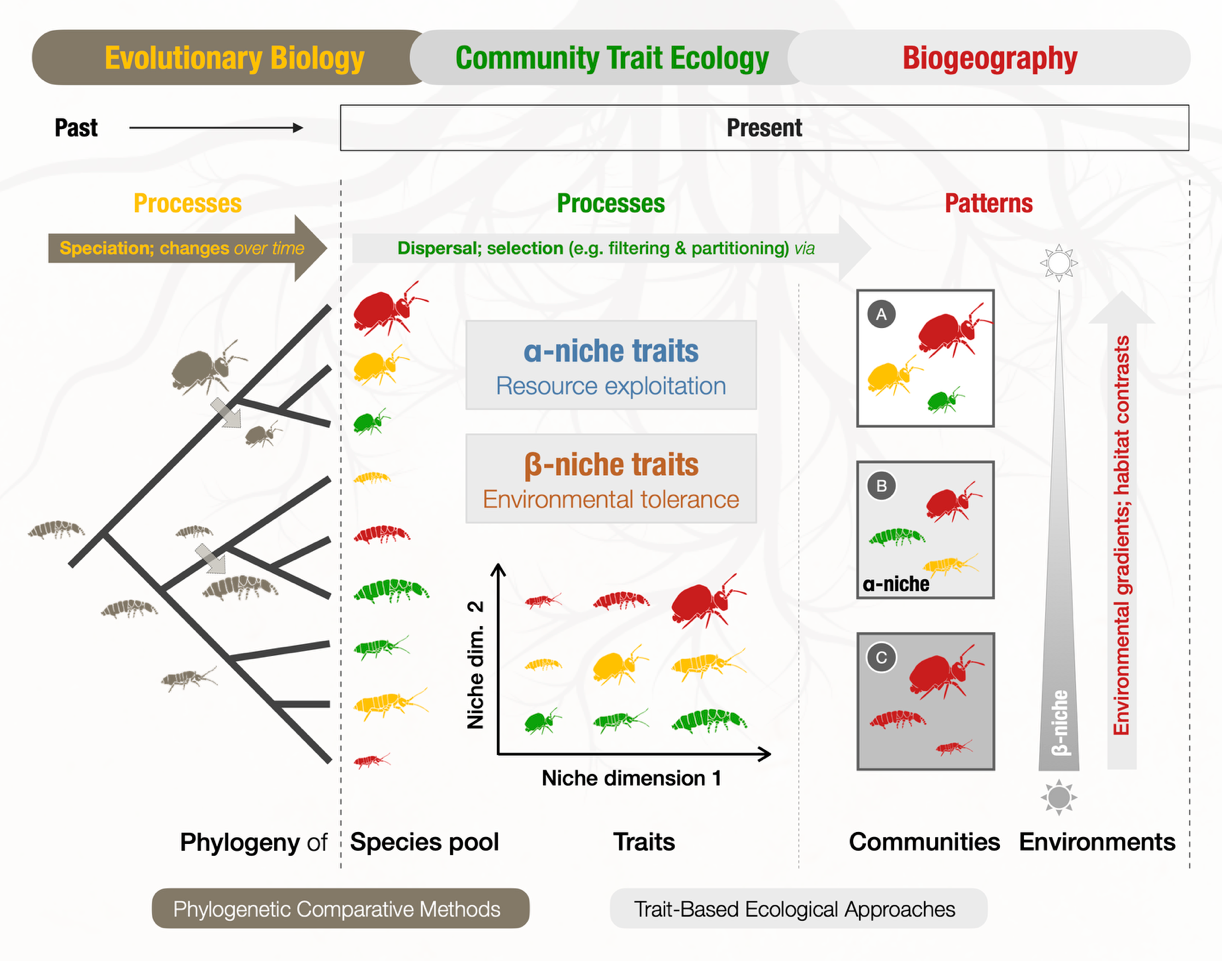
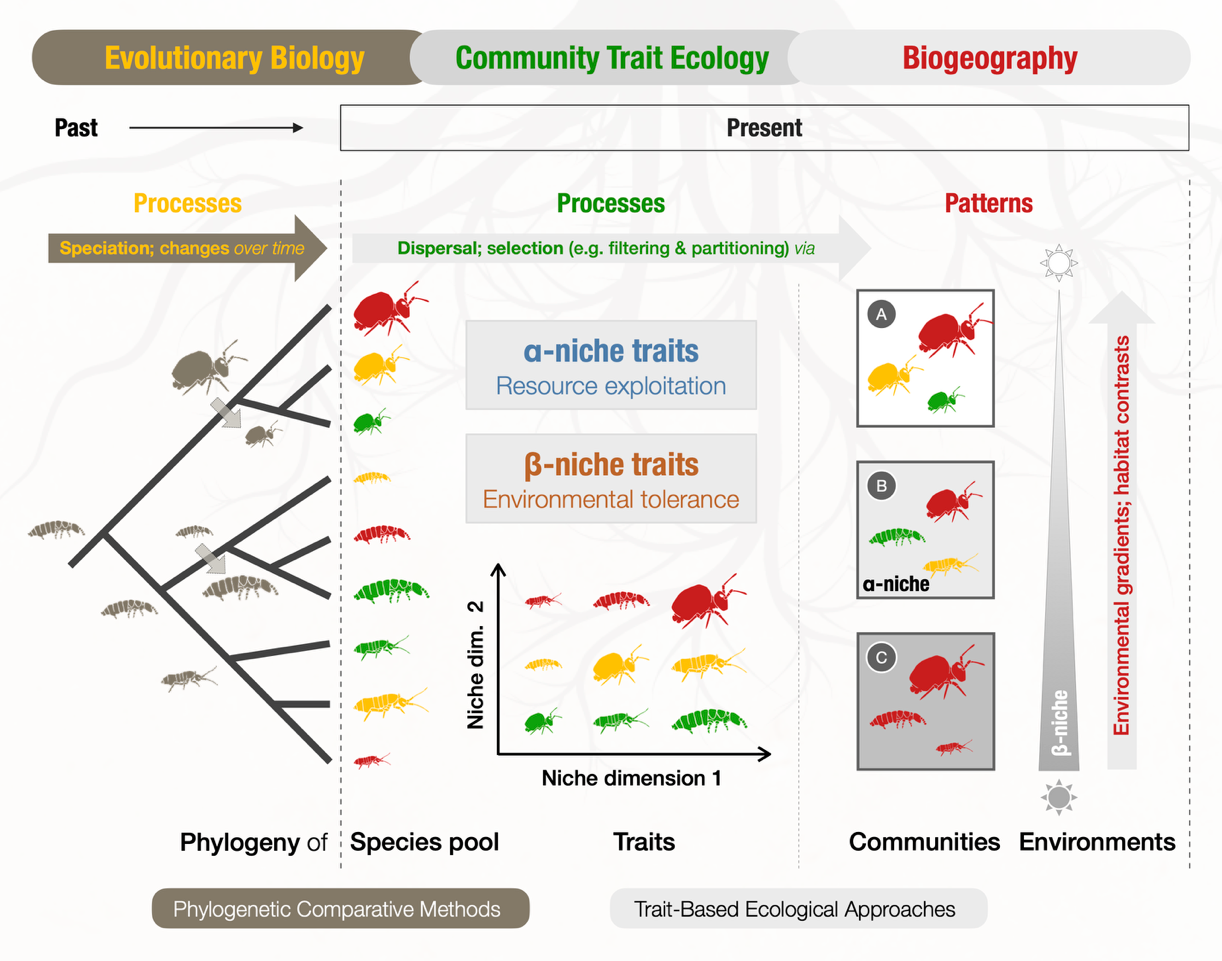
Figure 1: The "Community-Trait-Phylogenetic Ecology” (CTPE) Framework for studying soil animal diversity. The CTPE framework integrates ecological and evolutionary processes to understand mechanisms driving soil biodiversity across scales (https://doi.org/10.32942/X2W07B)
Fifty years ago, British ecologist J.M. Anderson asked a deceptively simple question: How can a single square meter of forest soil support thousands of animal species comprising millions of individuals? Soil’s hidden world is astonishing. Within one square meter of forest litter, 10,000 to 200,000 tiny animals (called mesofauna) belonging to 60–200 species can be found. Springtails (Collembola) and oribatid mites dominate, making up 95% of all soil arthropods. Even though these animals share space and often eat similar things, hundreds of species coexist without obvious conflict. How is this possible?
Traditionally, soil ecologists and zoologists have firstly approached this puzzle by species-based approaches looking at which animals live where based on environmental factors. This method maps biodiversity patterns but doesn’t explain why such patterns emerges. Then, the functional trait approaches use some attributes of soil animals (e.g. their size, shape, or diet) to predict coexistence but miss the role of evolutionary history. Phylogenetic comparative approaches have shown that related species inevitably tend to resemble each other in their traits, resulting in patterns of “phylogenetic signal”, but for most soil biologists, ecology and evolution are often treated as separate research domains. Each view is useful to solve the mystery, yet incomplete.
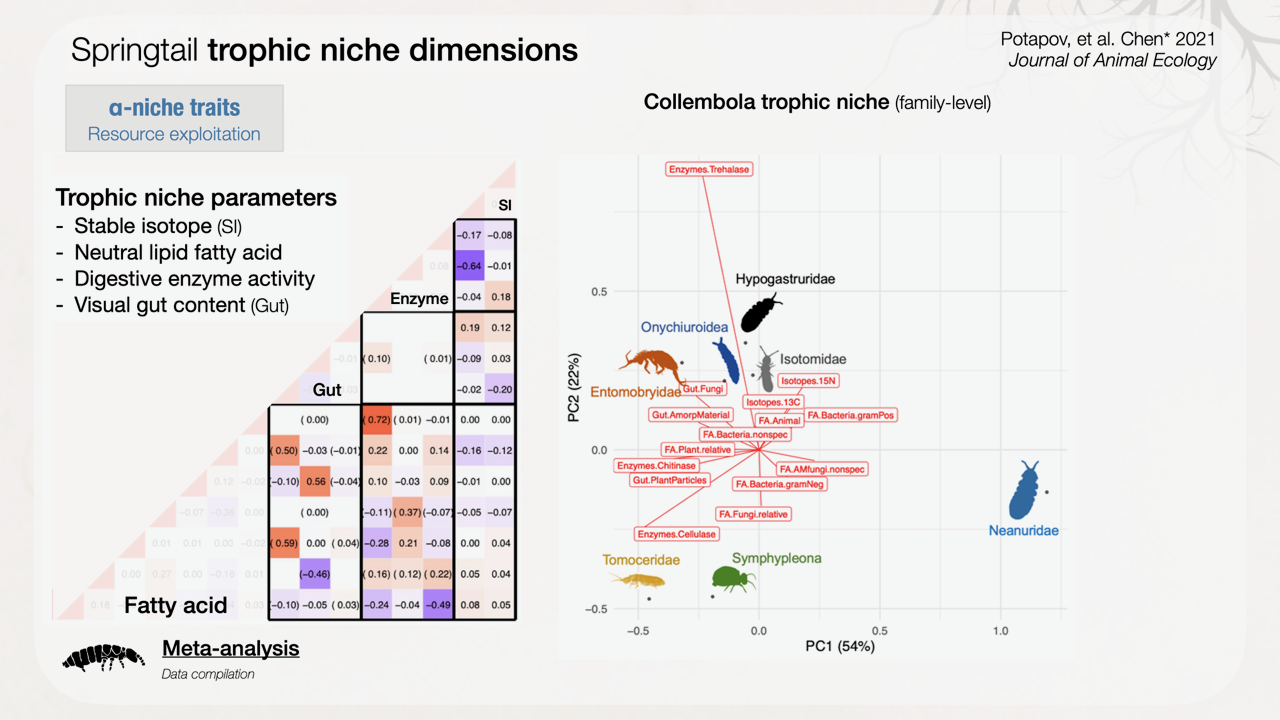
Figure 2: Multidimensional α-niche traits of springtails represented by trophic parameters including stable isotopes, neutral lipid fatty acids, digestive enzymes and visual gut contents that provide complementary food resource information (https://doi.org/10.1111/1365-2656.13511)
To bridge these perspectives, I am developing an integrative “Community–Trait–Phylogenetic Ecology (CTPE)” framework for soil animal research. It views soil biodiversity through three connected lenses: (1) Biogeography, which describes diversity patterns across gradients from local to global scales; (2) Functional traits, which represent two types of niches (α-niche, resource use, and β-niche, environmental tolerance) and help infer complementary assembly processes such as filtering and partitioning; (3) Phylogeny, which captures the evolutionary history of species and their traits, setting the species pool for contemporary community assembly.
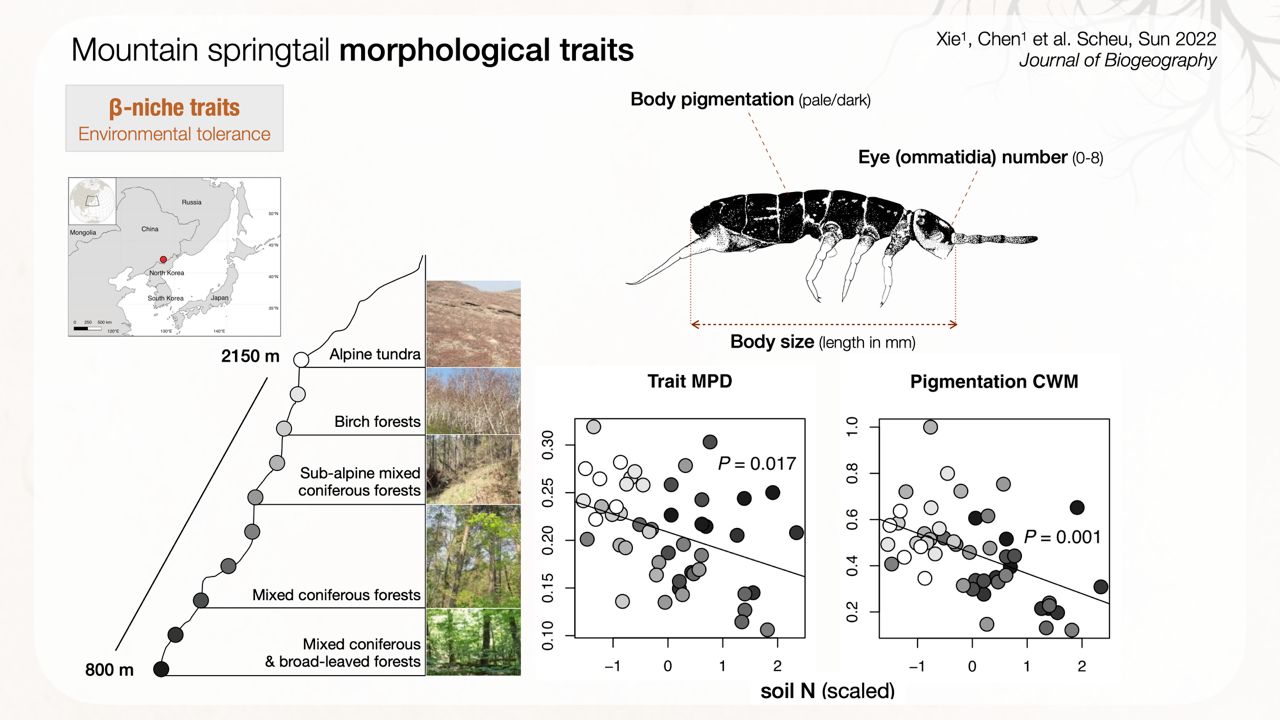
Figure 3: Isotomid springtail community β-niche traits represented by morphological traits (pigmentation, ommatidia number and body size) collected from 800 m to 2150 m asl of Changbai Mountain, Northeast China. Soil nitrogen (N) concentration predicts trait mean pairwise distance (MPD) and pigmentation community-weighted mean (CWM) of coexisting species ( https://doi.org/10.1111/jbi.14317)
Real-world studies on springtail communities illustrate how the CTPE framework works. In global datasets, the density of springtails does not predict species richness, yet their community traits vary strongly with habitat type, latitude, biome, and local density. In Northeast Asia’s Changbai Mountain, ancient and newly evolved springtail lineages coexist, and communities shift in pigmentation along elevation gradients. At the local scale, analyzing multiple traits at once shows that both filtering and partitioning processes operate within the same springtail community, depending on which traits are operating. In addition, cryptic springtail species, which diverged millions of years ago, can coexist locally while showing distinct habitat preferences.
Why does this matter? As climate and land use change across the globe, understanding both the evolutionary roots and ecological dynamics of soil communities becomes crucial for conserving biodiversity and the ecosystem functions we depend on. Protecting soil biodiversity means safeguarding not only species but also their roles and evolutionary distinctness. Fifty years after Anderson’s question, we now have new tools, theories, and frameworks. Soil is no longer a black box but a kaleidoscope revealing the hidden wealth of life beneath our feet.

Australian soils are rapidly expanding the known RNA virosphere
by sabrina sadiq, the university of sydney (australia)
Soils and sediments harbour extraordinary biodiversity, with up to 10¹⁰ microbes per gram of soil. As RNA viruses likely infect all forms of life, soils represent a vast yet underexplored reservoir of viral diversity. Surveillance has historically focused on animals of economic or agricultural significance, leaving soil viromes largely overlooked. Increasing evidence now links viruses to global biogeochemical cycles through interactions with their soil-dwelling hosts, including plants, invertebrates, fungi, and especially bacteria. DNA viruses, for instance, enhance bacterial extremotolerance by mediating gene transfer or influence carbon metabolism through host lysis. Comparatively, the role of RNA viruses in maintaining soil functionality remains poorly understood.
My introduction to soil virology began with an expansive metatranscriptomic (i.e., the total RNA present in a sample) data set of diverse soils and sediments collected across China. We started to untangle the relationship between virome composition and soil properties like pH, nutrients, and organic carbon content, and this relationship depended broadly on the host organisms of the focal viruses. Most strikingly, these data permitted the discovery and characterisation of 6,624 novel RNA viruses, proving to me that if I wanted large-scale virus discovery, soil was the place to be.
Time to set my sights back home. The Australian continent and its native flora and fauna have evolved in isolation for millennia, resulting in unique biomes and biodiversity not found anywhere else on Earth. Surely, this means Australia harbours equally unique viruses! Applying similar metatranscriptomic methodology to farmland soils and riverbank sediments taken from New South Wales and Western Australia (the eastern and western coasts of Australia, respectively), I identified 3,935 novel RNA viruses, including several clades of exclusively Australian viruses, implying instances of continent-specific evolution.
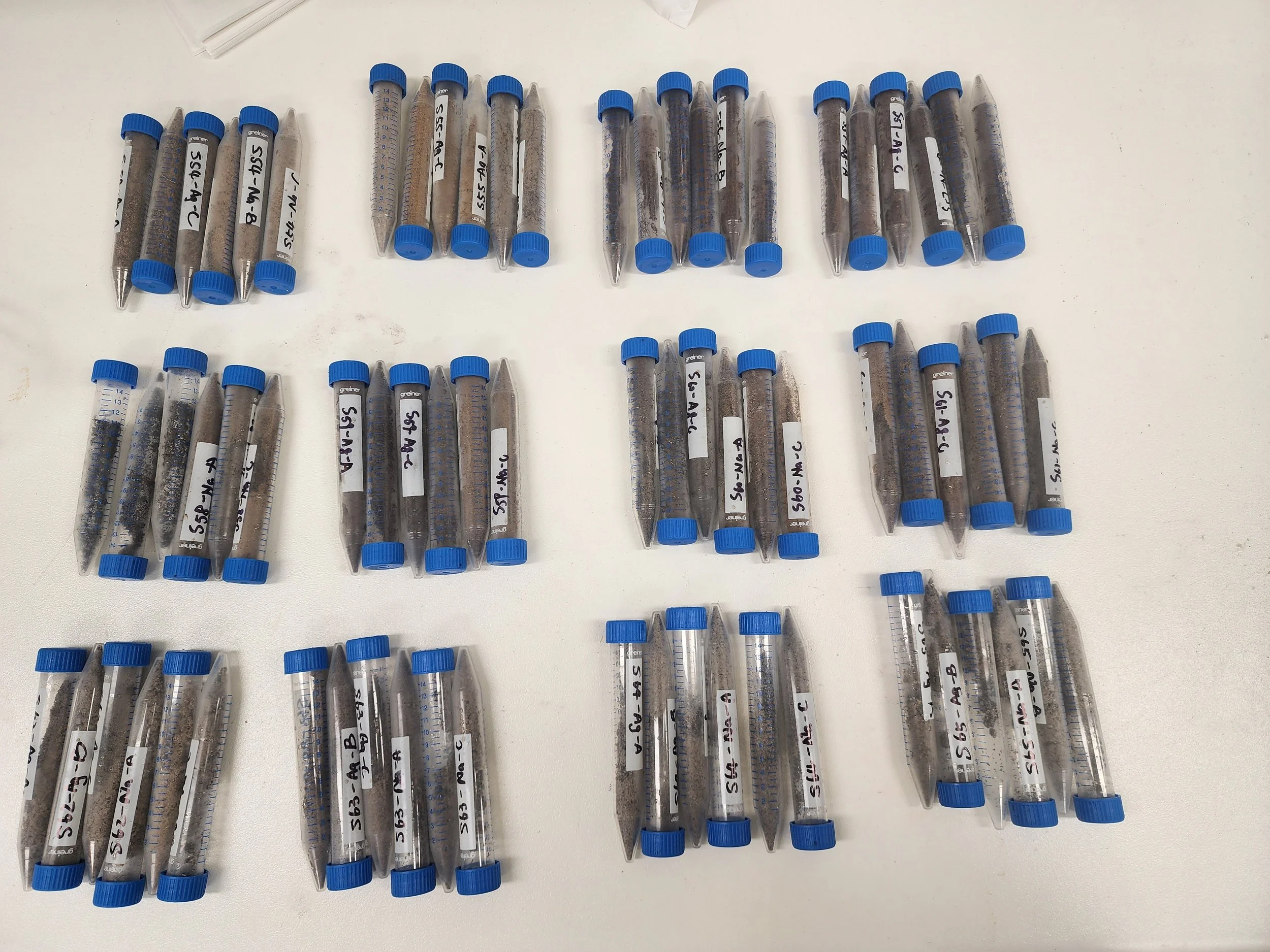
Getting ready to extract RNA from a subset of the >300 soil samples collected from all across Australia.
After several pilot runs and many attempts at optimising our sample handling and storage protocols, we were finally able to set out on an expansive, country-wide sampling campaign to uncover the comprehensive Australian virome. This massive-scale endeavour, while still in progress, has already revealed tens of thousands of potentially novel viruses spanning all major RNA virus clades, including those with microbial, plant, and animal hosts. As is typical of soil, the majority fall within microbe-associated viral taxa. Additionally, we’re seeing the influence of more specific ecological factors like local vegetation and individual mineral and nutrient contents on viral abundance and diversity.
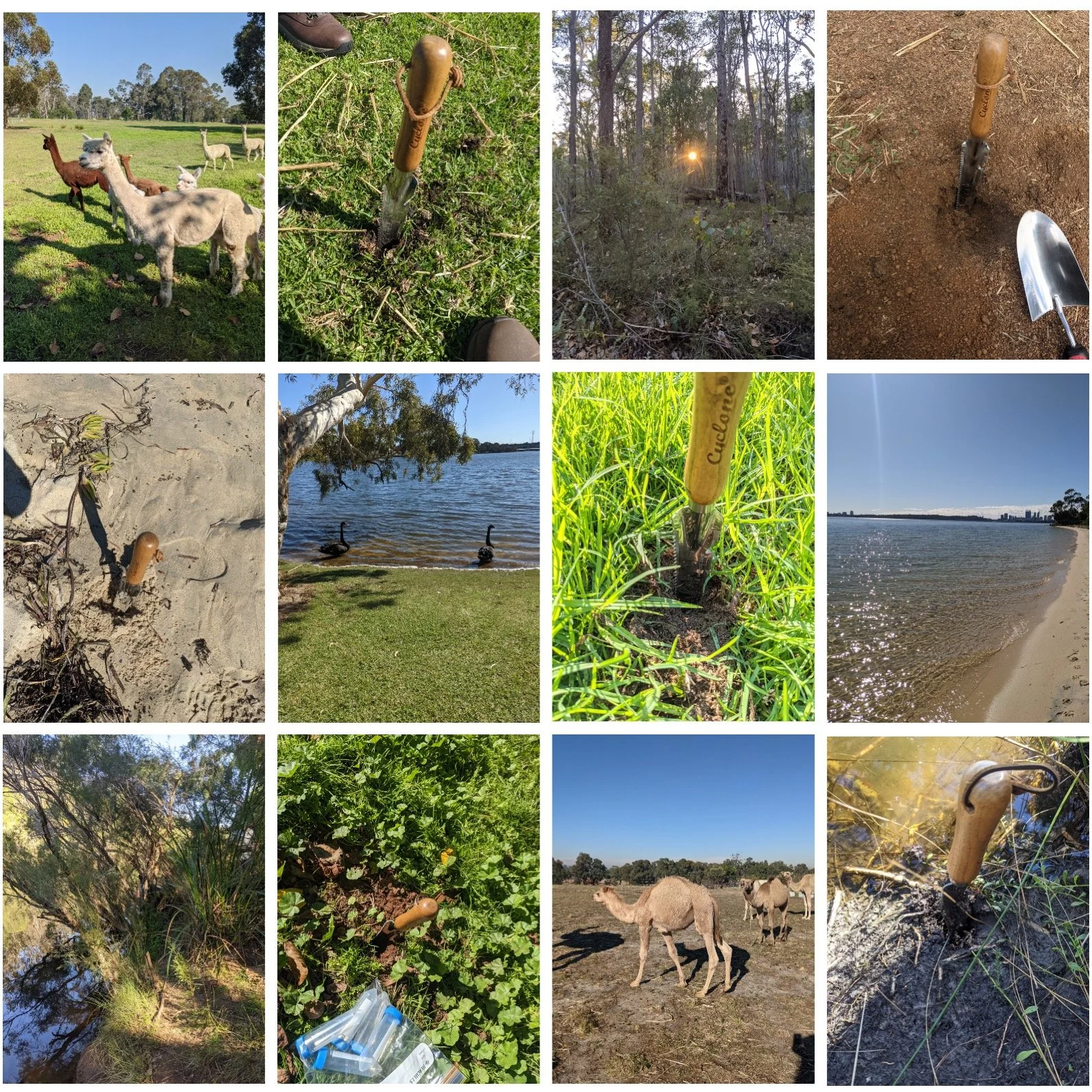
The vast ecological diversity of environments we’ve sampled from, and some of the friends we made along the way!
The results of this excitingly expansive campaign will mark a striking contribution to the global virosphere, showcasing the incredible reservoirs of viral diversity in Australian terrestrial environments. These massive new clades being discovered will likely represent new genera or even new families, as well as shake up our understanding of the host ranges of various known taxa. The evolutionary and ecological characterisation of these novel viral clades will surely enhance resolution of deep evolutionary events and allow us to determine the relationship between Australian soils and the diverse RNA viruses residing in them.
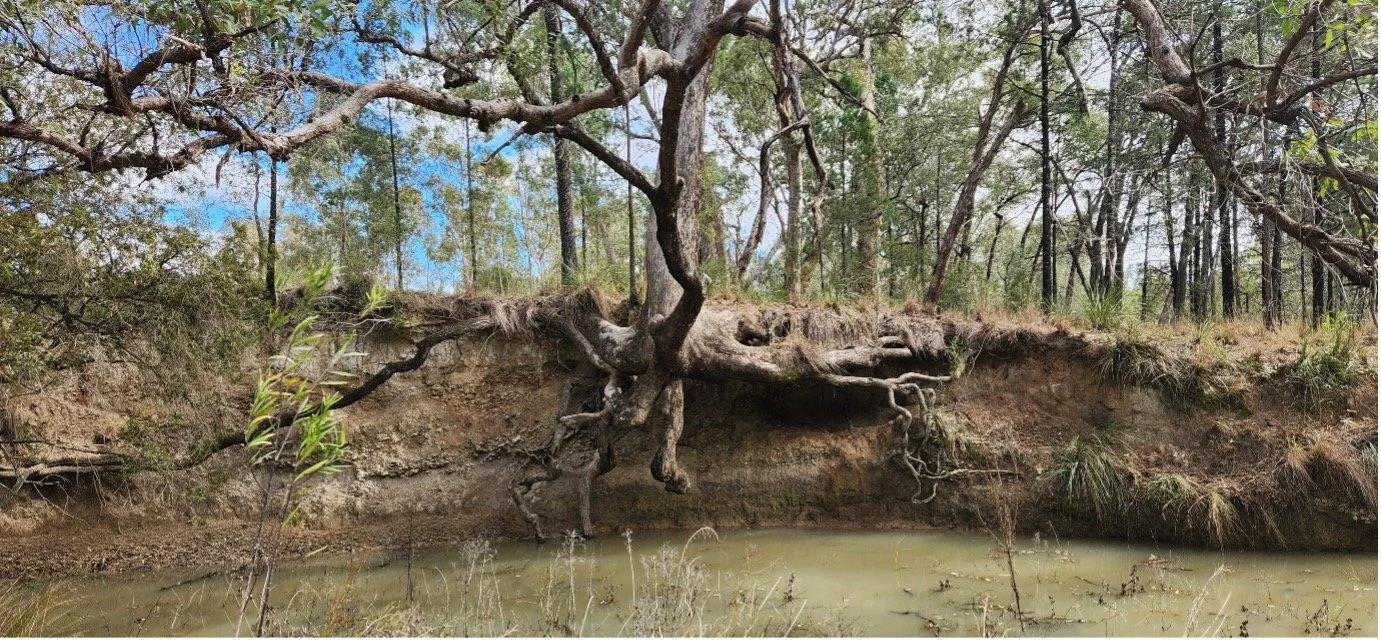
Mapping the Invisible: Revealing Australia’s Hidden Soil Microbial Highways
YIJIA TANG, Mingming Du, Dr. Budiman Minasny, and Dr. Alex mcbratney - School of life and environmental sciences and SYDNEY INSTITUTE OF AGRICULTURE, the university of sydney (AUSTRALIA)
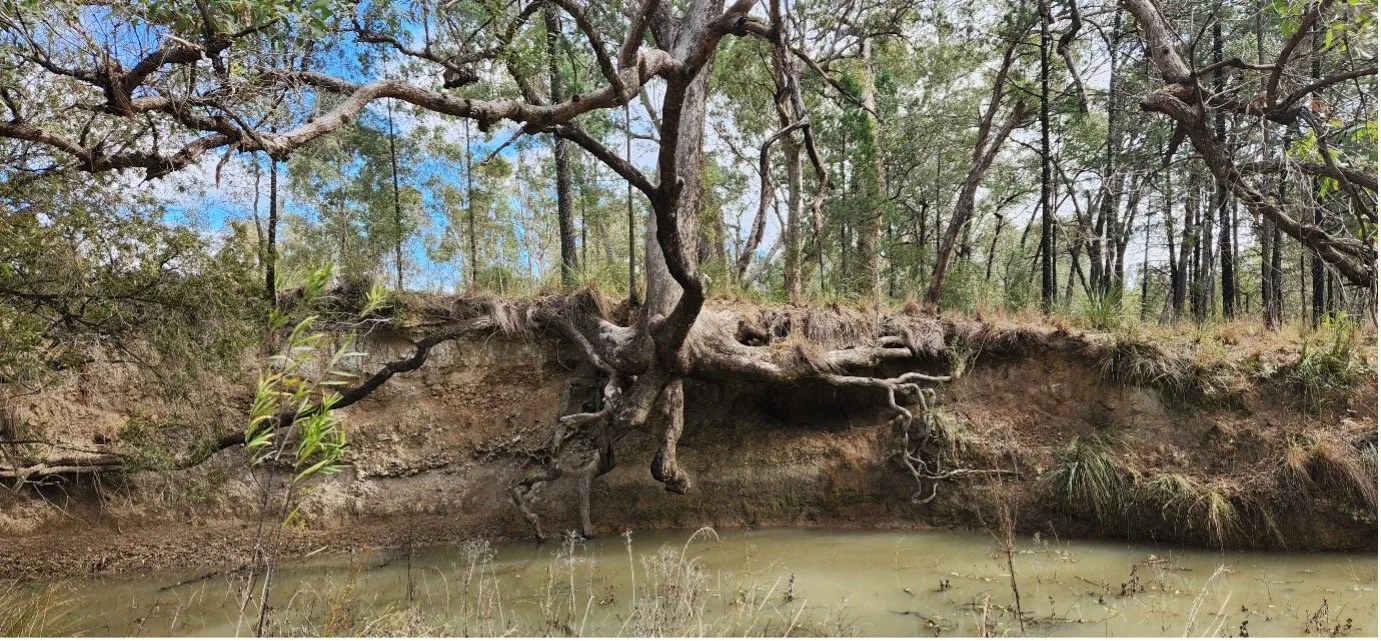
Beneath Australia’s diverse and ancient soils lies a living world that quietly sustains everything above it - billions of soil organisms recycling carbon, unlocking nutrients, and building the foundation of life itself. Yet until recently, we knew little about where these microbes live or how they respond to a changing environment. The study focused on bacteria - the most abundant and adaptable soil organisms, tracing how life belowground responds to the shifts in soil and climate. To uncover this hidden network, we gathered nearly 2,000 soil samples from across the continent and used machine learning and digital soil mapping to trace the distribution of dominant soil bacterial genera.
When we combined soil chemistry, climate, and land-use data with microbial community profiles, clear patterns emerged. Australia’s soil bacteria form distinct “neighbourhoods”: some thrive in the arid heart of the continent, others along cool, carbon-rich coasts, and still others in the lush tropical north. These patterns reveal that soil biodiversity is structured, not random. Just like plants and animals, microbial communities are finely tuned to the environments they inhabit. For example, Rubrobacter thrives in dry, alkaline soils - a biological signature of aridity. Our analysis shows that broad, phylum-level summaries can obscure this nuance. Within a single phylum, different genera may respond in opposite ways - a reminder that microbial diversity is far more intricate than we often imagine.
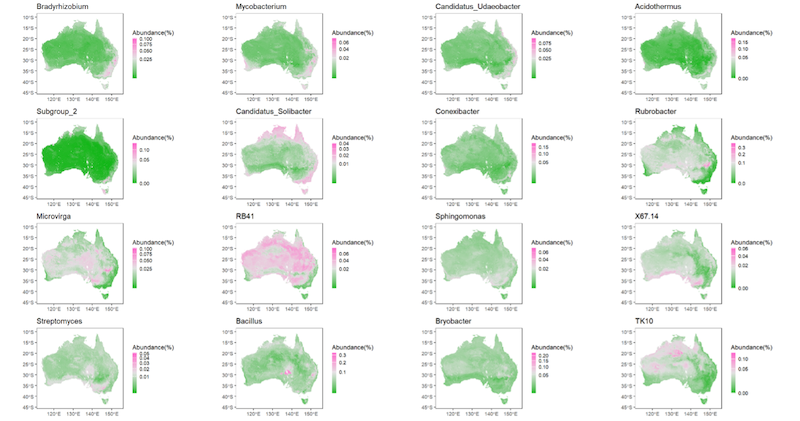
Maps of the predicted dominant soil bacteria genus distributions across Australia
Predicted distribution maps across Australia reveal how environmental forces shape this invisible landscape. Among all variables, soil pH and soil organic carbon (SOC) emerged as the twin architects of microbial geography. pH defined inland-enriched communities, favouring bacteria adapted to alkaline, mineral-rich soils, while SOC drove coastal-enriched patterns, supporting bacteria that depend on organic matter for energy and resilience. Climatic factors - particularly temperature and rainfall - further explained the gradient from tropical north to temperate south, showing how Australia’s vast climatic range sculpts its microbial life.
Human activity also leaves a clear imprint on this microbial map. As land use intensifies, once-distinct bacterial communities begin to converge - a process of microbial homogenisation that mirrors what we see aboveground. Natural and relatively undisturbed soils host the richest and most distinct bacterial assemblages, while heavily modified land shows a loss of bacterial individuality - a quiet but profound transformation that can weaken soil health and resilience. Yet there is hope. By identifying which microbial groups prosper or decline under different management systems, we can design land-use practices that work with soil biology rather than against it.
Our digital microbial maps now offer a powerful tool to guide conservation and restoration, helping land managers and policymakers pinpoint where biodiversity protection, soil recovery, or carbon management efforts are most needed. Protecting biodiversity means protecting all of it - from the towering eucalyptus to the unseen bacteria that make life possible in every handful of soil. The soil beneath our feet is alive - and now, with the right tools, we can finally see it.
READ THE FULL PAPER HERE: https://onlinelibrary.wiley.com/doi/full/10.1111/mec.70135
Resource use of soil invertebrates in arbuscular- and ectomycorrhizal dominated deciduous forests
Amelie Hauer, Senckenberg Museum of Natural History Görlitz (Germany)
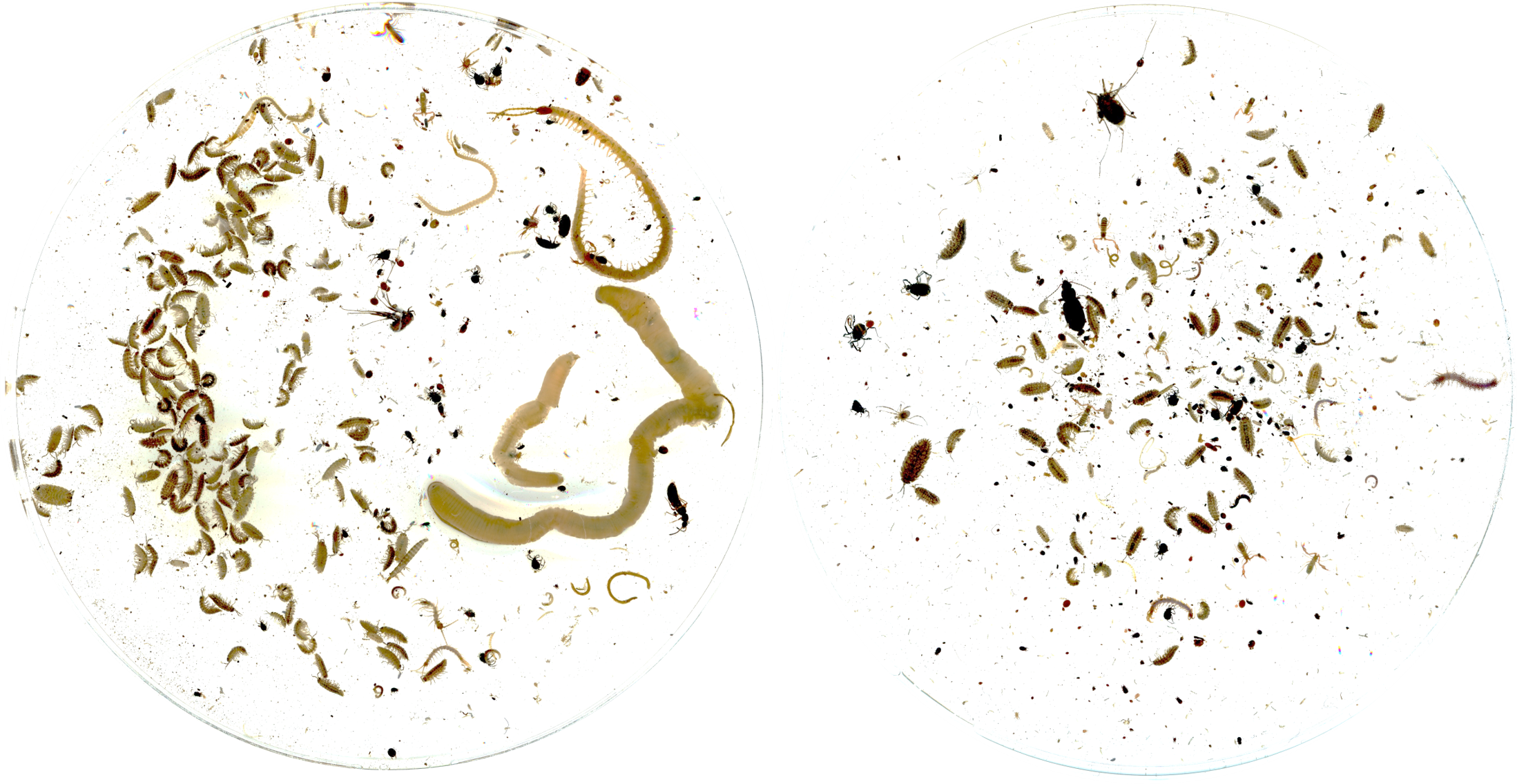
Image credit: Amelie Hauer; Scan of the soil animal community of two samples
Soils host an immense hidden diversity of life that is crucial for soil processes and ecosystem functioning. Among these underground players, soil invertebrates are key drivers of belowground organic matter decomposition and nutrient cycling. By feeding on microbes, plant litter, and each other, they structure the soil food web - a network of feeding interactions that regulates the flow of energy and nutrients. However, understanding exactly what (and how much) soil invertebrates eat has long posed a challenge. Their small size, cryptic behavior, and the fact that they live hidden in the soil make direct observations difficult, which limits our ability to predict how (and if) soil food webs respond to changes in vegetation, land use or climate.
Changes in dominant tree species lead to distinct ecological characteristics, including the type of mycorrhizal association dominating the forest. Most trees form mutualistic partnerships with mycorrhizal fungi, which supply water and nutrients in exchange for carbon. Two major types - arbuscular mycorrhizal fungi (AMF) and ectomycorrhizal fungi (EMF) - differ in how they influence litter chemistry, microbial community composition, root exudation and soil structure. AMF trees produce higher-quality litter that decomposes quickly, fuelling bacterial growth, rapid nutrient turnover and greater diversity of saprotrophic fungi. EMF trees, in contrast, produce lower-quality litter that decomposes more slowly, favoring fungal-based pathways and slower energy flow. Given these fundamental differences, it is likely that these disparities not only shape soil invertebrate communities but also the resources available to them, potentially influencing the feeding behaviour and functional roles that different invertebrate groups play in EMF and AMF forest systems.
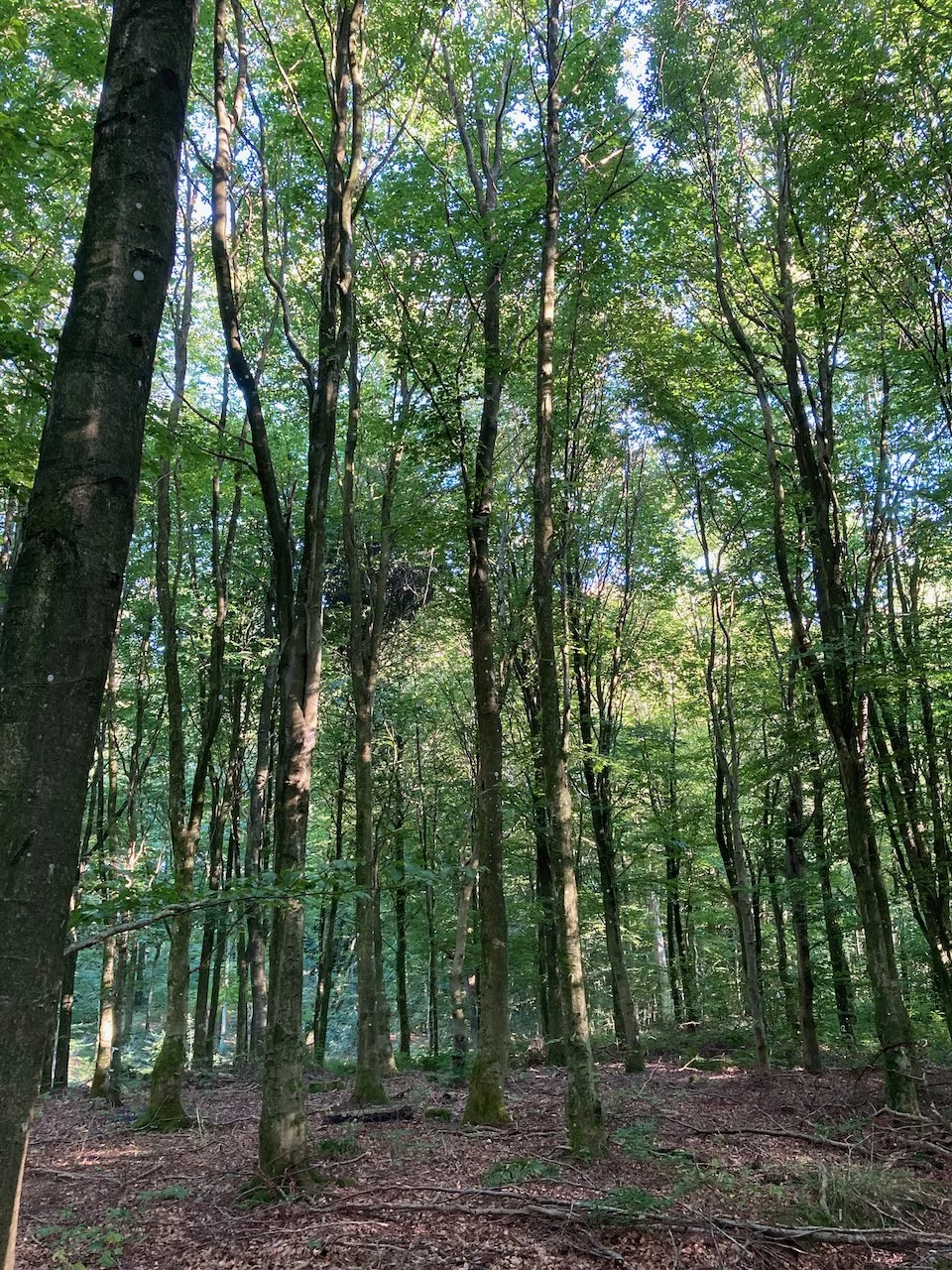
Image credit: Amelie Hauer; One of the sampling sites in an ectomycorrhizal forest.
Little is known about whether soil invertebrates maintain consistent plant and microbial food sources in different habitats or adapt their diet to ecosystem context. To address this, we investigated how soil invertebrates utilize bacteria, fungi and plant material, and whether trophic positions (TP) - an organism's place in the food web - vary between AMF- and EMF-dominated forests. We focused on nine taxonomic groups and applied compound-specific isotope analysis of amino acids (CSIA-AA), which estimates basal resource use (where does the energy source come from) and TP of consumers using the δ¹³C and δ¹⁵N signatures in specific amino acids (AAs).
In simple terms, you can think of it like a dinner party: different cooks (plants, bacteria, fungi) each leave a unique “flavour signature” (δ¹³C) in the dishes (AAs) they produce, and the consumers (soil invertebrates) carry those signatures into their own bodies when they eat them. By measuring these signals, we can tell what they have eaten (basal resource use). Meanwhile, the nitrogen signal (δ¹⁵N) acts like a count of how many times a dish has been passed along the table. By the time the food reaches the end of the table (the flow of energy up the food chain), it has passed through several guests and the δ¹⁵N signal shows just how many steps it has traveled (TP).
Our results show that the mycorrhizal type had only a minor influence on soil animal diets. Animals in AMF forests tended to consume slightly more fungi, while those in EMF forests showed a modest increase in bacterial resource use (both not significant). Instead, the identity of the consumer - rather than the mycorrhizal context - was the main determinant of resource use. Smaller taxa, such as Collembola and mites, relied more on fungi; larger taxa, including millipedes, consumed more plant material. Earthworms showed a stronger reliance on bacterial sources. Omnivory was common across all groups, showing that soil invertebrates utilize multiple resources while still showing preferences. Food web structure (the combination of basal resource use and TP results) was broadly similar between forest types. Overall, our findings emphasize that “who you are” matters more than the type of mycorrhizal associations, underlining the importance of functional traits and taxonomy in shaping soil food web dynamics. Despite subtle differences in resource use between forest types, predictable feeding habits of invertebrate groups suggest consistent roles in soil processes, aiding the integration of soil fauna into large-scale food web and ecosystem models.
Read the full paper here: https://besjournals.onlinelibrary.wiley.com/doi/10.1111/1365-2435.70130
The problem of “dark taxa” in ectomycorrhizal fungal conservation and research
Laura van Galen, ETH Zürich (Switzerland) & SPUN (Society for the Protection of Underground Networks)
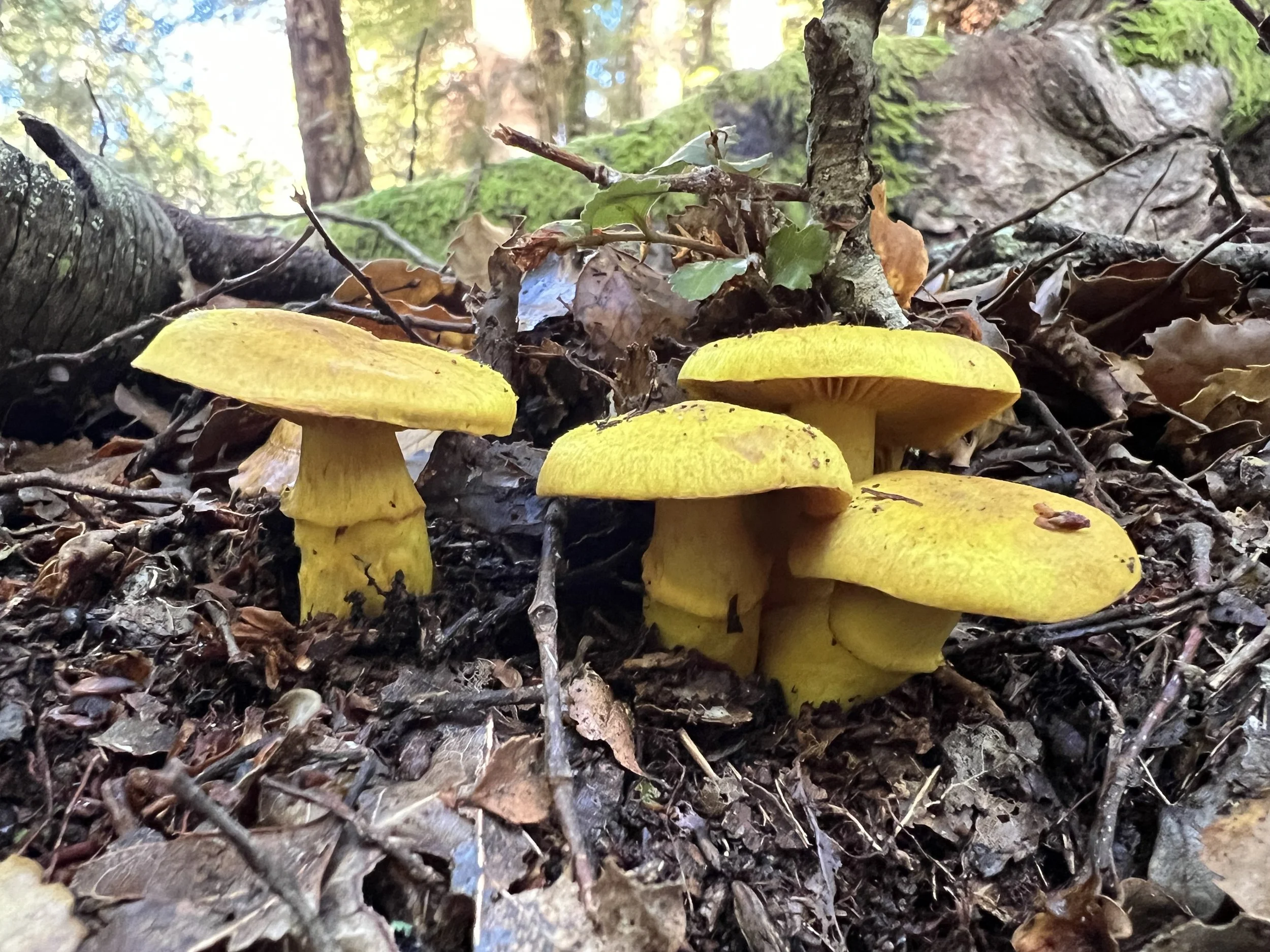
Image credit: David Orlovich
The ectomycorrhizal species Cortinarius canarius growing in New Zealand
The symbiotic relationship between plants and mycorrhizal fungi drives many aspects of ecosystem structure and function, but fungi have been historically overlooked when it comes to ecosystem management strategies. However, there is growing momentum to recognise the importance of fungi in ecosystem conservation and restoration. The rise of environmental DNA (eDNA) technology is giving us unprecedented insight into where mycorrhizal fungal species occur, their diversity, and how their communities are structured. We now have global databases of eDNA fungal sequences, providing the potential to map species at the global scale. However, what we can do with these databases is currently limited, because the vast majority of DNA sequences detected are “dark taxa” – those that cannot be matched to named species, or even genera or families in some cases.

Image credit: Michael Van Nuland
Species: Geopyxis carbonaria
Because dark taxa have no names, we cannot evaluate their threat status using tools like the IUCN Red List of Threatened Species. It’s also practically impossible to advocate for the protection of unnamed species or include them in conservation planning. Recently, scientists at SPUN (Society for the Protection of Underground Networks), ETH Zurich, and GlobalFungi conducted a review to quantify the dark taxa problem for ectomycorrhizal fungi. We found that 83% of OTUs (operational taxonomic units) in the GlobalFungi eDNA database were dark taxa that could not be identified to species level. The ectomycorrhizal fungi are one of the most well-studied fungal groups, and yet we still know so little about the species that exist. High rates of deforestation and habitat degradation around the world means that we are at risk of losing species before we can even uncover their identities.
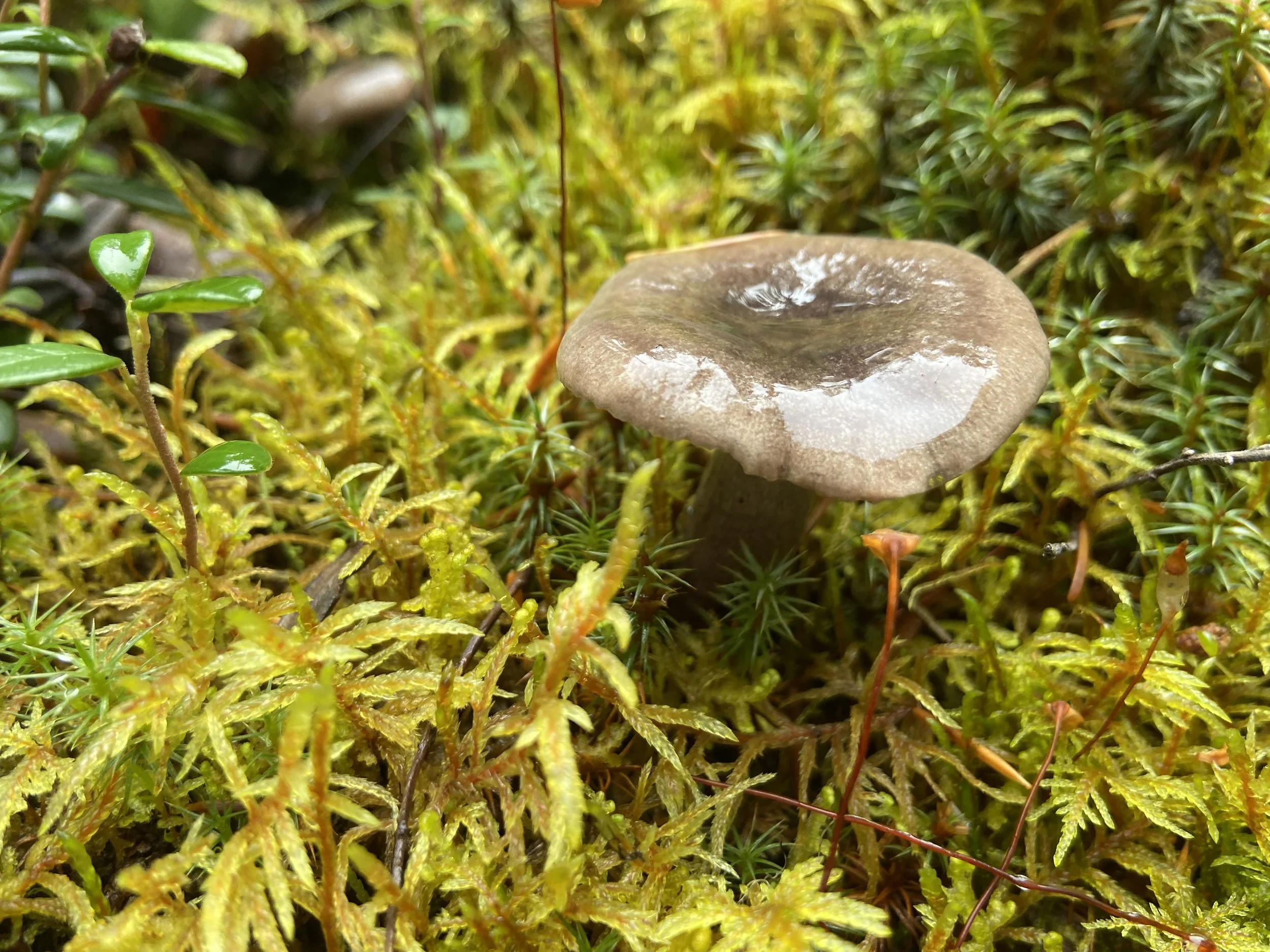
Image credit: Michael Van Nuland
Genus: Hygrophorus
So, how can we start to uncover what these dark taxa are? Many dark taxa are likely new species not yet known to science, so more effort is needed to collect and describe these species, particularly in tropical and southern-hemisphere regions where ectomycorrhizal fungi have been under-studied. Developing new methods to describe species based on phylogenetics rather than physical specimens is also important, because many species produce physical structures that are microscopic or not easily observed. However, many dark taxa may not actually be unknown species. eDNA sequences are matched to species names using reference databases like UNITE. Although the quality of reference databases is constantly improving, they contain many gaps and biases. For example, we found that in Australia 54% of the 1,906 unique ectomycorrhizal fungal species known to exist are not currently included in the UNITE reference database. That means these species will be automatically classed as dark taxa in eDNA datasets simply because they are not in the reference database. Obtaining sequences of these species from herbarium specimens and adding them to reference databases could be a relatively straightforward step for reducing the number of species classed as dark taxa in eDNA datasets.
We have a long way to go – but making concerted efforts to uncover and identify dark taxa is critical if fungi are to be adequately understood and protected. eDNA has huge potential for uncovering the hidden world below ground, but only if we can identify and make use of the vast numbers of DNA sequences that are detected.

Harnessing microbes to support food security
Pankaj Trivedi; Professor, Institute for Texas Tech Genomics for Crop Abiotic Stress Tolerance; Texas Tech University. Manuel Delgado-Baquerizo, Instituto de Recursos Naturales y Agrobiología de Sevilla (IRNAS-CSIC). Brajesh K. Singh, Hawkesbury Institute for the Environment, Western Sydney University.
Soil and plant-associated microbiomes constitute the most diverse and abundant communities on the planet. These microbiomes are foundational to planetary health and sustainable agriculture. Synthetic microbial communities (SynComs) are simplified, and intentionally designed consortia of microorganisms used to study microbial interactions, understand complex ecosystems, and develop applications like bioremediation and improved plant health. Microbes have long been applied as inoculants for biocontrol or biostimulation in agricultural systems and to degrade contaminants for site remediation. However, their efficacy varies with climate, soil type, and other environmental factors. SynComs are often either single isolates or undefined extracts from compost or other organic substrates, which likely cannot compete with indigenous microbiomes. Their benefits are often small or do not persist, requiring repeat applications even within a growing season. This is a major issue, and we need to find solutions if we want to harness the full potential of the crop microbiome to support food security under global change.

Friends and long-term collaborators Drs. Pankaj Trivedi (USA); Manuel-Delgado Baquerizo (Spain); and Brajesh K. Singh (Australia) at Mountain Campus of Colorado State University.
The good news is that there is a large amount of literature about ecological and eco-evolutionary theory to tackle this major issue. Back in 2023, three friends and long-term collaborators visited Colorado State University Mountain Campus to discuss multiple on-going collaborations. Among these discussions, we decided to put together some of these ecological theories in a Viewpoint to increase visibility and spark further discussion in the research community. For example, applying "Biodiversity–ecosystem function" theory can help design SynComs by considering functional redundancy, phylogenetic diversity, and multitrophic interactions within the constituting members. Applying "meta-community theory" in combination with the 'priority effect' (order and timing of arrival effect on colonization success) can unravel and predict the mechanisms, success, and effectiveness of SynCom colonization. "Invasion theory" can further help understand SynCom application's impact on the native communities from competition, coalescence, and interaction processes between a few inoculated taxa in SynComs and the whole soil microbiome. This information can be pivotal towards passing regulatory hurdles for field trials. Furthermore, applying "ecological networks, multitrophic interactions, and food web theory" can help simplify nature's complexity to select keystones within ecological networks, which are especially important for conducting a particular ecosystem function. Integrating "ecological theories" with modelling tools (including machine learning, genome-scale modelling) can be instrumental in predicting the dynamics and systems properties of the microbiome and microbiome-host or environment interactions, leading to the successful use of SynCom technology.

Few examples of ecological theories to better predict the success of SynComs in terrestrial environments. This figure was created in BioRender (https://biorender.com/)
Effectively harnessing the microbiome requires new approaches, recognizing that microbes living in natural and managed systems typically do so as communities, not as populations of single organisms functioning alone. Applying ecological theories to provide new insights on the principles that govern the establishment, dynamics, stability, and vulnerability of the SynComs holds a translational promise for the rational design of powerful microbiome-targeted interventions. However, realizing the full potential will require industrial innovations related to formulation development to construct robust and stable SynComs with predictable behaviors. Also, biosafety and regulatory requirements for implementing microbiome engineering in the real world need to be systematically addressed.