

Blog Archive:
Beneath Our Feet

What lies beneath: South Africa’s megadiversity of soil biota Part I
By Dr. Charlene Janion-Scheepers, Postdoctoral Research Fellow, Monash University, Australia
This is the first in a three-part blog series highlighting the rich soil biodiversity found in South Africa.

Soils are integral to agricultural productivity, biodiversity and the maintenance of ecosystem services. However, soil ecosystem research depends on foundational biological knowledge that is often missing. In a recent review published in Pedobiologia, we review the current knowledge on the soil biota of South Africa. The paper outlines the literature and sampling methods used to assess soil biota, the available taxonomic expertise and depository of main collections within South Africa, the availability of identification guides and online resources, and the status and distribution of described species.
This review was the result of two workshops held by the Soil Ecosystem Research Group in South Africa (SERG). We are a soil biodiversity research group that provides a platform for linking and promoting research on soil organisms. One of the first priorities identified by SERG was the need to collate and mobilise data and collections such that we can consolidate and compare the state of knowledge of each group. We also identified that foundational work on soil organisms is needed to facilitate research on soil health, as was outlined in our paper The unknown world: Understanding soil health in South Africa.

The first Soil Health Workshop held at the XVII Entomological Society of Southern Africa Congress in Bloemfontein, 6 July 2011.
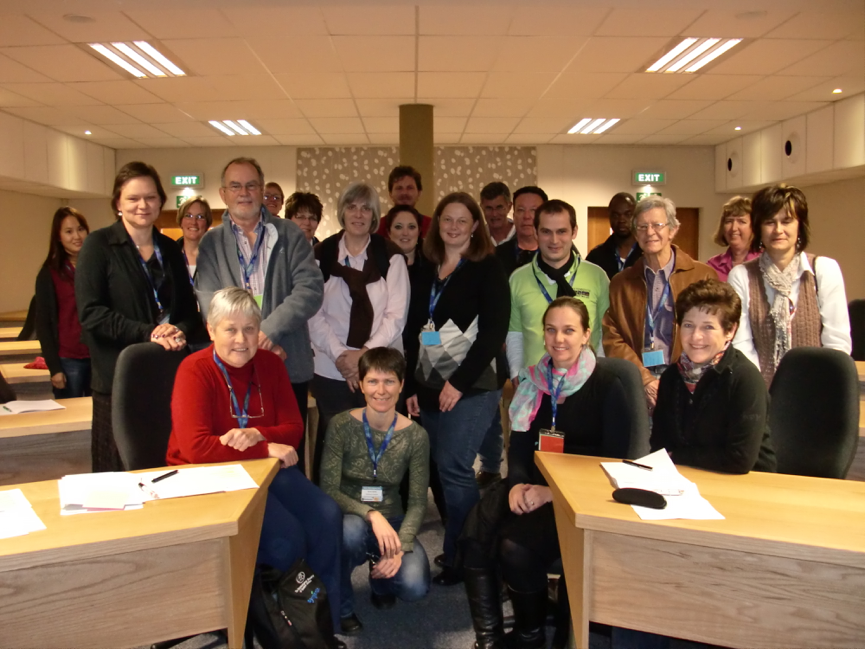
Second workshop of the Soil Ecosystem Research Group held at the XVIII Entomological Society of Southern Africa Congress, 2 July 2013, North West University, Potchefstroom.
In our next blog What lies beneath: South Africa’s megadiversity of soil biota (part II) we will discuss the rich soil biodiversity found in South Africa.
Soil protistology: a rising star?!
By: Valentyna Krashevska1, Stefan Geisen2
1Post-doc University of Goettingen, Germany
2Post-doc Netherlands Institute of Ecology, the Netherlands
Part 4 in our 4 part soil protist series

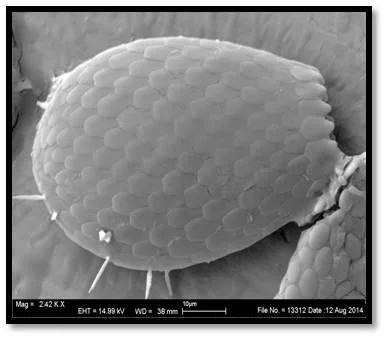
Image: Testate amoebae Euglypha
Soil protistology, despite a long history, is a rather unexplored field with many things to be studied. In the last three blogs we pointed out several of those points including unknown, yet huge diversity and abundance and the fundamental functional importance of protists in the soil food web and for plant growth promotion. They also are highly promising bioindicators to assess soil quality and allow palaeological reconstructions; for the latter, especially testate amoebae, which often have a rigid shell, play a key role.
At PROTIST 2016, around 200 protistologists are gathering, yet, less than 10 % of the participants work in soils. This is surprising taken into account that even editors of general ecological or soil journals are increasingly understanding the potential in the field of soil protistology; just in the last 12 months, three papers purely focusing on soil protists (nematode feeding protists, huge diversity of parasitic protists in soilsand parasitic protists in soil animals) were in the spotlight and received highlight articles (1, 2, 3, respectively). Many recent studies found their place in the highest (ecological) journals and this trend is likely to continue.
Now it is the time to actually jump on that train and bring this understudied field to the next level; many exciting discoveries are awaiting to be made, which might well outweigh findings on the other, better studied microbial groups of bacteria and fungi. This especially counts for integrating soil protist work with work on other soil organisms and in more general ecological studies!
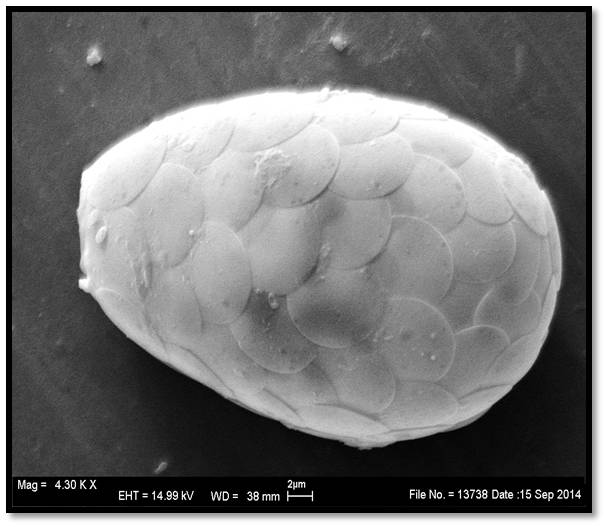
Testate amoebae Tracheleuglypha
Protists, the overseen guardians of soil microbiome function
By Assistant Professor Dr. Alexandre Jousset, Utrecht University, The Netherlands
This is part 3 in a 4 part blog series on soil protists.
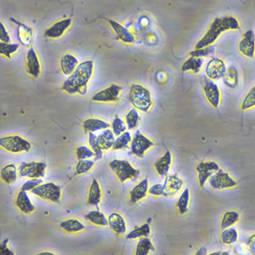
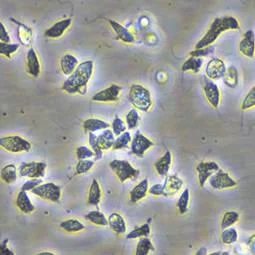
Cercomonas sp., a bacterivorous amoebae.
Soil microbes provide essential functions supporting soil fertility and plant health. Recent advances in sequencing technologies have favored a boom in studies investigating soil microbiome diversity and function. However, to date most studies have focused on bacteria and fungi, neglecting other trophic levels. This focus may be very convenient, as many functional genes are now described. It however oversees the function of predators as regulators of microbial communities.
Soil bacterial and fungal communities are typically top-down controlled. In other words, the main selective pressure is predation, not resource availability. The main predators of bacteria are protists and nematodes. These organisms, albeit unrelated, have been historically grouped as “microfauna”, reflecting that protist have been mostly investigated by zoologists and botanists, not by microbiologists. This discipline separation has contributed to neglecting protists in environmental microbiology. With these lines I aim at bridging these two research fields.
Protists can affect bacterial communities and soil fertility in several ways: By massively consuming bacteria, they release the nutrients contained in their preys, accelerating nutrient cycling. This increased nutrient availability can stimulate plant growth as well as nitrification process. Further, by reducing bacterial biomass, they alleviate competition and allow for more synergies between competing species. Protists are further very selective and will ingest only specific preys. They select preys based on their morphology, surface properties and toxicity. This selection has a strong impact on microbial functions linked to soil fertility. For instance, bacteria producing large amounts of exopolysaccharides may be better protected. These compounds play an important role in gluing soil particles together. We can thus expect that protozoa predation may improve soil structure. A range of studies have also revealed the functional overlap between antibiotics linked to disease suppression and protozoa inhibition. Several bacteria can naturally protect plants against disease by producing antibiotics and are seen as a promising alternative to pesticides. However, most attempts to use these bacteria in natural soil have failed. They either die out or evolve to lose their plant protective ability. Protists are here the guardians that “force” bacteria to produce antibiotics. They eat up bacteria lacking antibiotics, creating more space for the well-defended – and coincidentally plant protecting ones. Previous experiments in my group have shown that adding bacterivorous amoebae to soil can increase the success of plant-beneficial microbes by a factor three. In addition, bacterivorous protists are sensed by bacteria, that upregulate antibiotics production as a defense mechanism. These different protists-bacteria interactions can have a profound effects on soil fertility. We could for instance show that addition of bacterivorous protists could induce soil suppressiveness against the fungal pathogen Fusarium oxysporum. First commercial application of protozoa are already on the market and help for instance mineralize organic fertilizers and promote plant growth in sustainable agriculture.
I conclude that protozoa should be included in further microbiome studies and green biotechnology strategies aiming at reducing fertilizer and pesticide use in the agriculture.
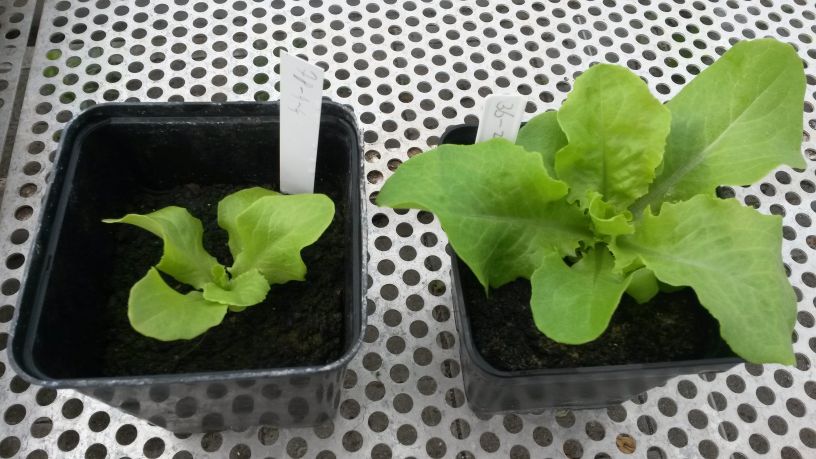
Lettuce grown on compost, left without addition of protists, right with addition of Cercomonas sp.

The Many Roles of Protists in the Soil
By Dr. Enrique Lara, University of Neuchâtel, Switzerland
This is part two in four part soil protist series! Part 1 can be read here.

Figure 1: This unidentified amoeba is one of the members of the extremely diverse protist community inhabiting the soil of a common indoor flower pot; new species can be found even in the least exotic environments! This species feeds on yeasts and bacteria.
Protists are extremely diverse in soils, often reaching thousands of species of protists and fungi per gram. If we bring these numbers to our scale of perception, this means that a little piece of soil the size of a fingernail hosts a number of species comparable to the diversity of insects in a hectare of tropical rainforest! Like in the jungle, the different organisms play various roles in the soil ecosystem. Globally, these roles can be divided in three great categories: osmotrophs, phototrophs and phagotrophs.
Osmotrophs absorb their food from the environment; they are unable to engulf preys. They play a fundamental role in the decomposition of dead organic matter produced by plants. Mostly fungi take this role, but they are not alone! Another very common group of soil osmotrophs is the oomycetes, which closely resemble fungi but are now classified within the stramenopiles- a group very distant to fungi together with many algae such as the marine kelps! Some organisms evolved from photosynthetic ancestors to live in the absence of light and became secondarily osmotrophs, like the green alga Polytomella. Osmotrophic organisms often tend to become parasites during evolution; they start the evolutionary process as mostly free-living organisms that infect occasionally any potentially weakened host. Then, they become gradually more and more specialized and virulent. Many species of fungi and oomycetes are well known plant parasites, and are responsible for huge economic losses every year. Others infect animals (including humans) and even other fungi! Other groups are entirely parasitic such as the Phytomyxea (plant parasites) and the Apicomplexans (animal parasites, including amongst others the agent of malaria Plasmodium falciparum), which can be extremely abundant and diverse in soils. However, osmotrophs can also become Mr. Niceguy and collaborate with plants: mycorrhiza are the most widespread and famous example.
Being a phototroph, obtaining energy from the sun like a plant, in soils may seem contradictory; however, phototrophic organisms are numerous and diverse as well. Logically, they are limited to the upper part of the soil that is reached by light; they are responsible (together with mosses and cyanobacteria) for the formation of so-called cryptogamic crusts, which are common in deserts and high altitude soils. Some of these groups are well known in lakes and rivers (like diatoms, green algae, xanthophytes), but most often species are specific to soils as they went through specific adaptations to be able to colonize these environments.
Many protists in soils are phagotrophic, which means that they prey on other organisms through phagocytosis (just like the macrophages of our immune system). Bacteria are a common food source for them, and it has been shown that predation by protists is the main source of mortality for soil bacteria. By eating these preys, nutrients are released and taken up by plants; it has been shown that this phenomenon, coined the soil microbial loop, is key in driving plant productivity. However, all bacteria are not equally preyed upon by protists, and food preferences vary drastically even between closely related protist species. On the other hand, bacteria are by no means defenceless and produce secondary metabolites that can kill protist predators. This make trophic interactions between protists and bacteria extremely complex. But bacteria are by no means the only prey of protists. Fungi are also consumed, and some species of ciliates possess a cytostome (=cell mouth) that prevents them from eating anything else; they are simply unable to consume bacteria! Others are top predators and will feed only on other protists. Some, like the tiny shelled amoeba Cryptodifflugia, are able to kill even nematodes, and practice a kind of pack hunting to slay their victims which weigh about hundred times more than them!

Figure 2: A testate amoeba, Centropyxis aerophila, hunting for small protists and fungi in its favourite environments, forest litter. It uses its pseudopod to move forward and capture preys by immobilizing them before engulfing.
The situation is complicated even more as some organisms may belong to two functional categories at the same time. Many soil flagellates and amoebae are capable of both actively hunting for preys and absorbing nutrients from the environment, thus combining phagotrophy and osmotrophy. Phototrophy and phagotrophy are also often combined, especially in wet soils like in peatlands (where it is largely practised by golden alga like Ochromonas, Synura and Mallomonas). Altogether, functional diversity of eukaryotes in soils is immense. Our knowledge on their diversity is now at a turning point where it starts to be evaluated, but still remains an open field for new, exciting discoveries.

Soil protistologists on the road: a snapshot on a global synthesizing effort for a reliable taxonomy of protists (UniEUK)
By Dr. Stefan Geisen, Postdoctoral Reseracher, Netherlands Institute of Ecology
Research into soil protists is developing rapidly. This is the first in a 4-part blog series highlighting the importance of soil protists and recent developments in the field.

Research on tiny organisms including bacteria, protists and nematodes is in the midst of a revolution mainly due to developing sequencing technologies. These methods have enabled more reliable characterization of the diversity of those tiny organisms in opaque soils, as complicated classical extraction and cultivation-based efforts can now be circumvented. Of these tiny organisms, protists have been least studied. Only recently it became clear that this group of organisms hosts the vast diversity of eukaryotes. The emergence and diversification of fungi, animals and plants only represent relatively small and recent evolutionary events compared to the huge “background cloud” of protists.
Protists in soils
One gram of soil is suggested to be home for an estimated number of 10,000-100,000 individual protists, including 1,000s of species, many of which are key for ecosystem functioning. They play a crucial role in food webs as main predators of bacteria and likely also fungi. Protist predation of bacteria and fungi releases nutrients, which can be used by bigger soil animals in the food web and plants, increasing growth. Recently, it has been shown that animal parasites are also abundant and diverse, possibly regulating populations of soil animals.
New possibilities to study soil protists
Recently, protists have become the focus of more research as they can more easily be detected using molecular sequencing technologies. This technique involves taking a small sample of soil, extracting DNA from all organisms present, sequencing the DNA, and identifying what is in the sample by assigning sequences to online databases (e.g. Silva or NCBI). This approach has extensively been applied to study bacteria and fungi, but only recently to target soil protists. One of the key issues to this approach is that online databases are lacking profound information and are full of errors that often lead to unreliable species annotation.
Unifying the taxonomy to enable reliable work with protist AND other soil animal sequences
The field of protistology recently obtained a research fund from the Moore foundation and is currently developing a taxonomy system to enable reliable sequence assignments of not only protists, but a wide range of eukaryotes, called UniEUK. Several soil protistologists are involved in this project that will eventually help scientists to include protists in their research portfolio. This will boost understanding of how diverse soil protists are and eventually allow targeted studies of what these likely important organisms functionally do!
Work on UniEUK just kicked-off at a very productive meeting in Paris. More to come from Beneath Our Feet on exciting developments in soil protistology!


Soil Microbes in Ecological Restoration
This post originally appeared on the Restoration Blog from the Midwest-Great Lakes Chapter of the Society for Ecological Restoration
By: Elizabeth Bach, Global Soil Biodiversity Initiative (formerly Illinois Natural History Survey), Jonathan Bauer, Indiana University, Liz Koziol, Indiana University, USA
Increasingly, ecological restoration goals include belowground ecosystem services including reducing soil erosion, retaining soil nutrients, restoring plant-soil feedbacks, and potentially storing carbon to reduce CO2 concentrations in the atmosphere. Soil organisms are involved in providing all these services, as such, interest in soil communities is booming in the restoration community.
Within the tallgrass prairies of the Midwest and Great Lakes region, there has been exciting progress made in this area of research, with scientists advancing our foundational knowledge of soil ecology, gaining insights into how soil microbial communities respond to ecological management, and developing techniques for the reintroduction of soil microbial communities to restoration sites. At the 2016 meeting of the SER-MWGL, we organized a symposium featuring early and mid-career scientists actively contributing to this rapidly developing field. The symposium featured Dr. Kathryn Docherty (Western Michigan University), Dr. Sara Baer (Southern Illinois University Carbondale), Dr. Elizabeth Bach (Illinois Natural History Survey), Dr. Jonathan Bauer (Indiana University), and Liz Koziol (Indiana University).
Kathryn Docherty kicked-off the symposium sharing her research focused on the function of soil microbial communities and their recovery in restored tallgrass prairie.
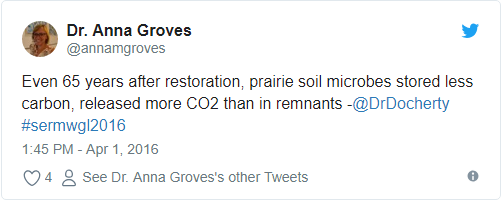
This is an important finding for two reasons. First, it emphasizes the importance of protecting the limited native prairie left in order to keep soil carbon out of the atmosphere. Second, microbial recovery may take much longer than aboveground recovery. However, it might be possible to restore soil communities and their effects on the soil. Docherty found that inoculation with microbes from remnant prairies and planting of diverse plant communities can stabilize microbe-driven carbon cycling.
Sara Baer built on these conclusions with a cross-continental dataset. Her work from restored grasslands in Nebraska, Illinois, Kansas, and the Free State, South Africa show that abiotic soil factors, like soil texture, play an important role in recovery of microbially-mediated soil functions like carbon and nitrogen storage. Even when aboveground plant community recovery was similar, belowground communities did not recover on similar trajectories. This provides another key insight, that soil type may be an important consideration when prioritizing sitesfor ecological restoration to meet goals focused on belowground ecosystem services.

Elizabeth Bach focused on soil fungal community recovery in restored and remnant prairies across Illinois. Supporting the conclusions of Docherty and Baer, Bach found distinct fungal communities in restorations compared with remnants, and this pattern was consistent on different soil types at multiple locations. In addition, microbial activity varied within the growing season, and these seasonal patterns were also similar across soil types and in remnants and restorations, although overall activity was greater on silty loam soils. These data are very important to restoration practices because they suggest some microbial recovery patterns are consistent across sites.
Jonathan Bauer dove deeper into soil fungal community relationships, sharing his work using fungi to facilitate the establishment of “late-successional” prairie plants:

Bauer’s work shows that fungi, particularly arbuscular mycorrhizal fungi that form mutualistic associations with plants, are important to the establishment and success of many desired plant species with high floristic quality in prairie restoration. Bauer showed that early successional species, many of which have low floristic quality, are most likely to establish in a restoration and are less mycorrhizal, such as Ambrosia artemesiifolia and Rudbeckia hirta. In contrast, plants that are late successional plants and of high floristic quality tend to be both very responsive to soil fungi and are less likely to establish from seed in a restoration, such as Amorpha canescens and Veronicastrum virginicum.
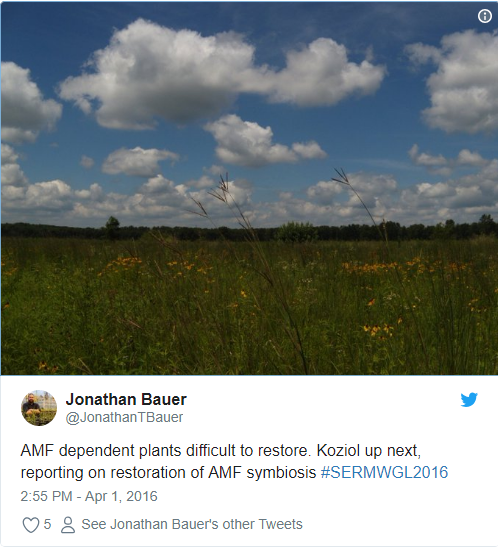
Liz Koziol rounded out the symposium sharing her exciting work using inoculations of soil microbial communities to improve late successional establishment in tallgrass prairie restoration.

Koziol demonstrated that adding prairie microbial inocula, specifically arbuscular mycorrhizal fungi acquired from remnant prairie soils, can be effective at improving the establishment of high quality prairie plant communities from seed plantings. Liz found that the particular composition of arbuscular fungal species at a restoration site can have dramatic effects on the plant species that establish there, as some fungi promote weeds while other promote desirable species. Liz cautioned against many commercially propagated inocula sources, where origin and quality of the fungi is unknown. Instead, Koziol suggested that adding a diverse AM fungal inocula from an undisturbed reference site more quickly facilitates late successional prairie establishment.
The symposium ended with open questions for all speakers from the audience. The engaging discussion included questions about how restoration practitioners can incorporate new belowground knowledge and measure success of belowground recovery. Here’s what the panelists suggested:
Baer: easiest, quickest single measure of belowground recovery is soil bulk density, essentially the density of a known volume of soil. Soil density covaries with microbial communities and functioning
Docherty: get roots in the ground, establishing plants is key to microbial recovery, although belowground recovery will be much slower
Bach: feed the microbes to feed the full ecosystem, more roots and inputs to microbes will increase belowground functioning and feed the aboveground community
Koziol: consider inoculations, but source is very important. Consider fungal/microbial nurseries that produce native and locally adapted microbial inocula, just like plant nurseries
Bauer: target to site goals, different goals may require different actions, if goal is establishing a late-successional plant community, invest lots in AMF mutualisms
Relevant additional reading on the topic of soil microbes in restored environments:

Decomposers and the City
By Alessandro Ossola PhD, The University of Melbourne, Australia and US National Academy of Science, Engineering and Medicine NRC Associate c/o NRMRL-USEPA, Cincinnati, OH.
Cities are generally associated with grey jungles of concrete, glass and steel. Where the urban land is still profitable for new development, little chance is left for the soil to persist unsealed. When this happens, soil is generally heavily compacted, polluted, its biota depleted and ecological functioning greatly reduced. Urban soil faces a complex and uncertain future of irrigation, fertilization, transportation, remediation and molestation which is rarely observed in natural and agricultural soils. Urban soil is ultimately associated with a mere substrate where to build new above- and below-ground structures and infrastructures to connect our modern cities. Despite their intrinsic complexities, cities and the soils underneath represent useful pre-constructed laboratories to extend our knowledge about soil functioning, its biodiversity and resilience towards a variety of stressors and habitat management practices.
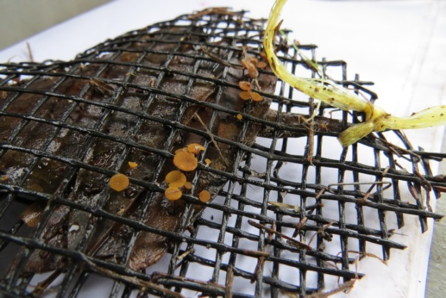
Figure 1.

Figure 2.
Figure 1, Figure 2. Fungi colonizing Eucalyptus globulus litter in litter bags exposed in an urban park characterized by complex vegetation and high litter mass in Melbourne, Australia.
In a paper published this week in Ecosystems, we asked whether relatively small changes in the complexity of vegetation, litter and soil characteristics driven by urban green spaces management were translated into differences in superficial organic matter microbial decomposition and detritivore comminution. Since the 90’s, microbial decomposition processes have been measured in cities and towns mostly in forest remnants along urban-rural gradients. Surprisingly, to date no studies measured superficial decomposition or comminution processes in areas, such as urban parks, which make up most of the green space in cities worldwide. This is likely due to the intrinsic difficulties and risks (e.g. people, mowers, animals, etc) in undertaking litter bags experiments in these habitats. In our study, we found that the simplification of urban habitats in Melbourne, Australia, and particularly of the understory vegetation, significantly decreased decomposition and comminution rates of two substrates in litter bags (i.e. Eucalyptus globulus leaves and pea straw). This is likely determined by drier conditions under simple urban vegetation, where water availability might represent a stronger limiting factor for the activity of both microbes and detritivores compared to temperature. The soil function in structurally complex urban parks was comparable to that of woodland remnants, and the age since land use change from agricultural land to urban park (40-100 years) did not affect decomposition and comminution processes. This suggests that urban soils can recover their function towards that of remnant ecosystems if enough time has transpired and proper management measures are taken. The volume of the understory vegetation was positively related to the species richness of macrofauna detritivores, which in turn significantly enhanced comminution rates. More than 70% of detritivores sampled were European exotic species. The relation between species richness of numerous soil organisms and soil processes have been largely investigated through mesocosm experiments in the last century, but rarely observed or tested in the field.

Figure 3.
Figure 3. Relationship between urban understory volume, species richness of macrofauna detritivores and Eucalyptus globulus litter mass remaining after 1 year litter bag experiment.
While the ecological exploration of cities started decades ago, we have just begun to investigate the functional role of urban organisms and particularly the soil biota. Worldwide, cities can represent useful laboratories to test new hypotheses and questions about the role of biophysical factors, human management, environmental legacies, soil biodiversity and their complex interactions upon soil functioning. Time is ripe to dig into!

Around the world: Exploring soils and root of all life
This post originally appeared in the Human Nature blog from the Sustainability Leadership Fellows at the School of Global Environmental Sustainability at Colorado State University.
Written by Tandra Fraser, 2015-2016 Sustainability Leadership Fellow and Postdoc at the School of Agriculture, University of Reading, London.
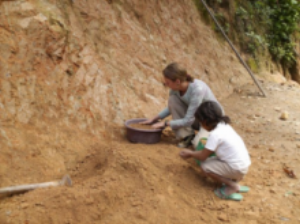
What do the Great Plains of North America, the tropical hillsides of Honduras and the valleys of Antarctica all have in common? The answer is soil, of course!
Soil is the foundation of terrestrial life on earth wherever you may travel. Located at the interface between the atmosphere, biosphere, lithosphere and hydrosphere, it is the naturally occurring surface layer formed by complex processes and interactions. Being raised on a farm in the Great Plains of Canada, I was connected to soil from a very young age as I went from making mud pies to growing food. Nowadays, as a soil scientist, I get to explore soil, its many uses, and its inhabitants.
Soil is the basis for much more than just agriculture. For example, in rural Honduras, the same soil that is used for growing staple crops such like maize, beans and coffee, is also used for building adobe houses, creating functional pottery, and even building stoves to cook the food they grow.
These same soils provide a home to countless soil organisms, including everything from large burrowing creatures such as badgers to microscopic worms, bacteria and fungi. Although we cannot see many of these species with the naked eye, they play an important role in all of our lives.
n many regions of the world, mineral fertilizers are not an option for crop growth and producers must depend on soil organisms for nutrient cycling to provide nutrients for plant growth. Organisms in the soil have evolved mechanisms to obtain nutrients. For example, many bacteria excrete enzymes into the environment when they do not have enough phosphorus to function and/or grow. These phosphatase enzymes can break down an unusable form of phosphorus that occurs naturally in the soil, into orthophosphate that can provide nutrition to the organism and will eventually be released into the environment and can be taken up by plants.
The critters that live in the soil, and their activities, involve many complex interactions between chemical, physical and biological components. These organisms aren’t just interesting to look at, they also provide essential ecosystem services upon which all plants, animals and humans depend. Although soils are extremely heterogeneous, organisms are contributing to decomposition of organic matter and nutrient cycling, regardless of the ecosystem.
Even in Antarctica, one of the windiest, driest and coldest places on earth, the soil is alive. Although the soil food web is less complex than it may be in a tropical forest, soil animals and the microbial communities play an essential role in the functioning of this pristine ecosystem. It is common to find nematodes, tardigrades and rotifers living in these soils. But even this region is not immune to global change as demonstrated by research as part of the McMurdo Dry Valley Long Term Ecological Research (LTER) Network. This site has been essential in demonstrating how the ecology in the soils of the region has been changing over the past 25 years. It also emphasizes the interconnectedness of the glaciers, lakes, streams, soils and air and the far reaching effects of human activities.
At all corners of the globe, soil and its life are constantly being threatened by human activities and global change. Land is being degraded at astonishing rates and this ultimately has an effect on food production, water quality, and pest and pathogen control, to name a few. The economic cost of land degradation is US$40 billion each year, as estimated by the United Nations Food and Agriculture Organization. As cities continue to expand, soils are paved over and organisms are unable to function, and humans, literally, become disconnected from the land, separated by a layer of concrete.
“The soil is the great connector of our lives, the source and destination of all.” - Wendell Berry, The Unsettling of America, 1977
Despite the fundamental importance of soil for all plant, animal and human life, it is often taken for granted. Scientists, policy makers and land managers must all work together to identify and implement solutions for conserving soil and all that live there. The Global Soil Biodiversity Initiative has been working to raise the profile of soil biodiversity and all its wonder around the world.

Marvelous soil present, another adventure in Brussels
By Gerlinde De Deyn
Wageningen University, Dept. Soil Quality

September 2015. Regular readers of this blog will not be surprised that I was in Brussels for the European Union Researchers’ night, this year was very special: the 10th anniversary of researchers’ the night! Not only in Brussels of course, lots to see and do across Europe at this major science outreach event which runs simultaneously in all main cities of the EU http://ec.europa.eu/research/researchersnight/index_en.htm.
For this occasion I was not asked to bring a living soil micro-zoo, just myself and my reflections on what makes science so wonderful for me. The setting: a predominantly French interview by the public from Brussels, with Christophe Deborsu as moderator and Stefaan Vaes (University of Leuven, Dept. of Mathemathics) and me (Flemish soil ecologist who hardly spoke French since leaving Belgium fifteen years ago) as the researchers.
How and at which age did we get inspired to become a scientist? What do we earn and how many hours a week do we work? Why did you move to another country? What impact does your science have on society? What is the current status of biodiversity? How come there are so few female professors? These were just a few of the questions that came a long during the interview. Not always easy to answer, but luckily not due to language - thanks to an eager public and multi-lingual moderator.
Was there any soil ecology involved? Sure there was in this International Year of Soils! We gave a copy of the European Soil Biodiversity Atlas (French or English version) to each person posing a question. Perhaps some of them will get the spark of wonder and turn into soil ecologists… Given the enthusiasm I also promised that a Global Atlas of Soil Biodiversity will come out later this year, something we are all looking forward to of course J.
PS: As with previous events also now great meet scientists you would otherwise never meet, a tip from Stefaan Vaes if you like math and visualizations of it check out this site: http://imaginary.org/

Innsbruck Nature Film Festival nears deadline

Every year the renowned Innsbruck Nature Film Festival calls to send in documentaries and shorts dealing with the topic nature in a broader sense. In collaboration with the University of Innsbruck and in the framework of the international year of soils, a special category for films about soils is announced.
The festival aims to raise the awareness of soil, its biodiversity and functions. The best contribution will be awarded with €2.000!
If you produced a documentary or a short film dealing with soil and related topics, submit your application to the Innsbruck Nature Film Festival until August 15th, 2015.
More and detailed information concerning categories, requirements and terms of participation can be found on www.inff.eu .
The Hatta-mimizu Earthworm Derby

By Hiroyuki Watanabe (Professor emeritus, Kyoto University)
The earthworm Hatta-mimizu (Drawida hattamimizu) is said to reach five feet in length and is the largest worm in Japan. This worm was first collected at the Hatta village near Lake Kahokugata (Ishikawa Prefecture) along the Japan Sea coast and described as new species in 1930. At present, in addition to lake Kahokugata, three sites; Lake Biwa, Lake Yogo (Shiga Pref.) and Mikatagoko (Fukui Pref.) are recognized as its habitat. This worm mainly inhabits the ditches of paddy fields near the lakes. Farmers dislike this worm because of burrows into ditches causing leaking, but fishermen use it as bait for eel fishing in the lakes. A characteristic of this worm is that it lengthens rapidly when suspended.
The Lake Biwa Museum (LBM) held a competition named “Hatta-mimizu Derby” in 2013, a size contest, inviting contestants to provide photos of long worms held against a measuring tape for judgement by size. The winner proved to be 80 cm long in this contest.
After this event, the Lake Kahokugata Research Institute (LKRI) insisted that the largest worm would surely be found at Lake Kahokugta, as the type locality. Thus, LBM and LKRI agreed to hold the “Derby” again for one year from June 2015. The event kickoff was widely reported by TV and newspapers to bring attention of this worm to a wider public audience. As a scientist and the chairman of the committee of the derby, I look forward to seeing larger worms from unknown habitats.