

Blog Archive:
Beneath Our Feet
The Future of Farming is in the Soil
Adam B. Cobb, PhD Oklahoma State University, USA

Adam Cobb tills soil to establish an experiment.
Humanity is exerting intense pressure on our planet, and many agricultural practices are degrading soil stability and fertility over time. Worldwide, we’re losing soil about thirty times faster than it’s being replaced. As farms are depleted of topsoil and organic matter, increased fertilizer inputs are required to maintain crop yield, while mounting fertilizer costs are disproportionally affecting farmers in developing countries. I have witnessed these daunting issues in Africa and Central America, but there is hope.
Our research is part of the Brown Revolution, which seeks to harness the benefits of living soil to sustainability provide nutritious food. In one teacup of healthy soil there are enough arbuscular mycorrhizal (AM) fungi to stretch across 30 football fields. Mycorrhizas partner with the majority of plants, including most agricultural crops, to enhance plant nutrient and water uptake. These fungi also help ensure ecosystem health by limiting fertilizer runoff (eutrophication), reducing soil greenhouse gas emissions (climate change), and stabilizing soil structure (erosion).
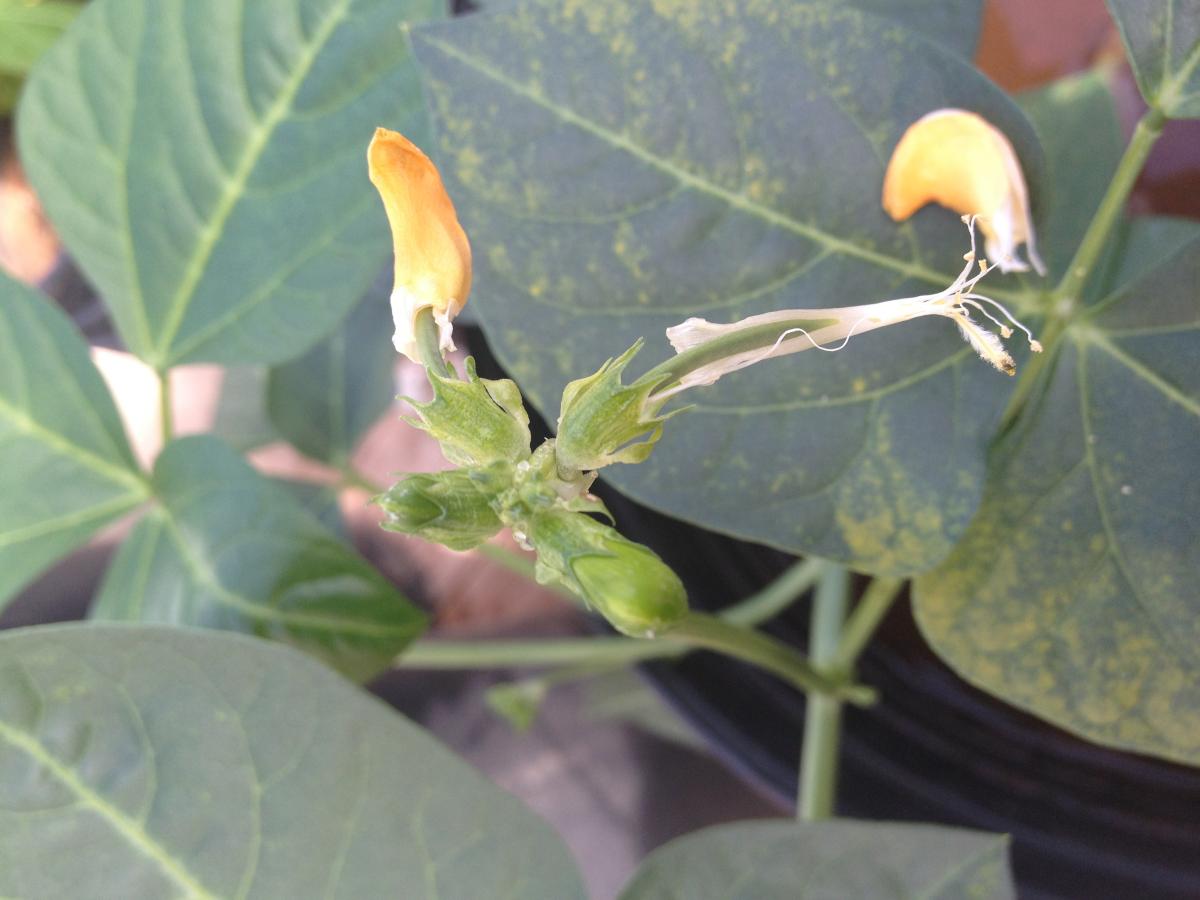
Cowpea flower. Photo credit A. Cobb
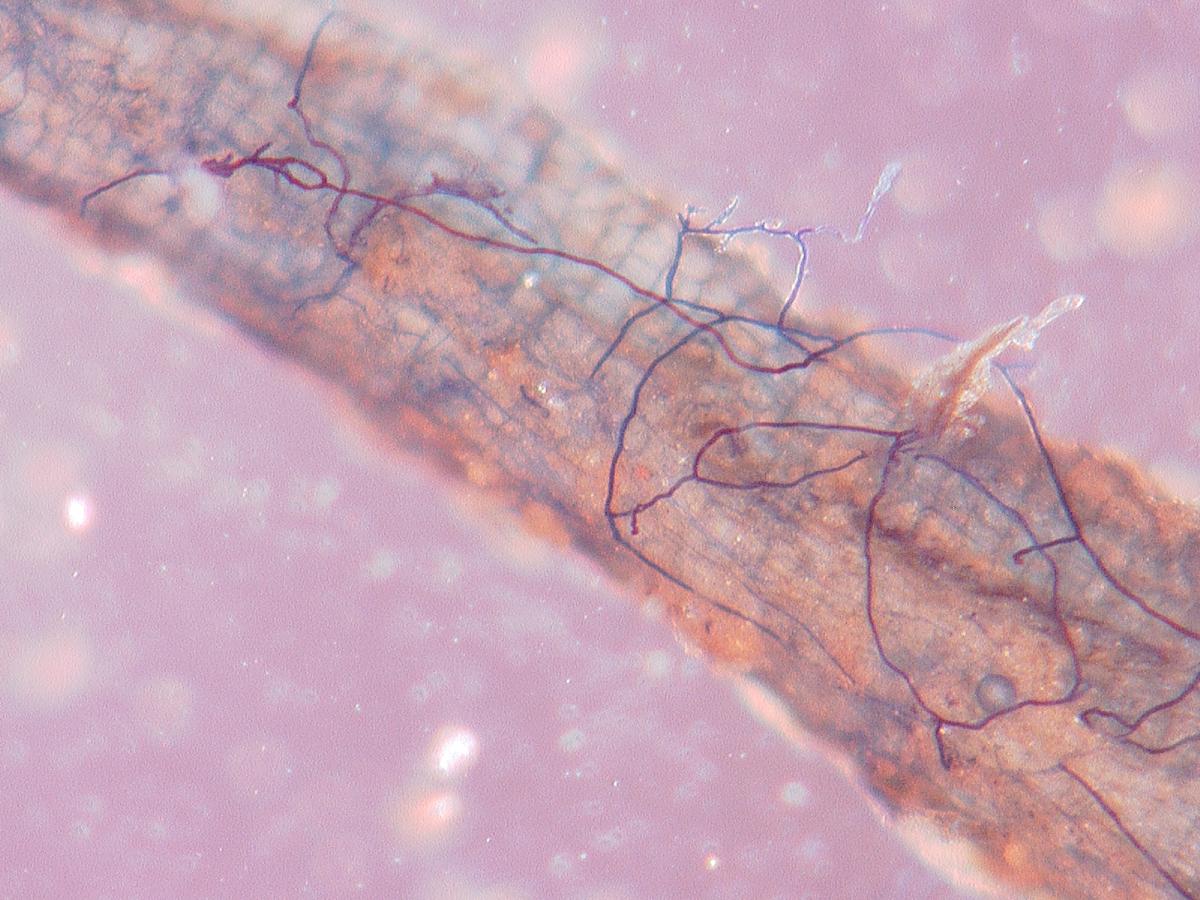
Root with mycorrhizal fungi. Photo credit A. Cobb
We assessed sorghum and cowpea genotypes for responsiveness to AM fungi in low fertility soil and how that symbiosis benefited seed (grain) nutritional contents, such as protein, zinc, and iron. The highly responsive crop genotypes produced around 200% more vegetative biomass and nearly 300% more grain compared to the less responsive genotypes. Furthermore, the average protein production of highly responsive genotypes increased more than 300% compared to the less responsive genotypes grown under the same conditions. Total grain zinc and iron content was also significantly correlated with AM fungal root colonization.
We then investigated the effects of alternative fertility inputs (compost & biochar) on the productivity and nutritional quality of highly mycorrhizal responsive sorghum and cowpea. Compared to plants grown with typical commercial fertilizer rates, plants grown with a blend of biochar, worm compost, and 50% less fertilizer produced similar plant biomass after 45 days of growth, with equal or greater tissue protein, iron, and zinc, significantly higher tissue phosphorous, and 30% more AM fungi in the host plant’s roots. These results indicate biochar and worm compost can boost belowground symbiosis with AM fungi, resulting in increased fertilizer use efficiency. These soil amendments can be produced at various scales, with potentially lower cost than commercial fertilizers, and can enhance soil carbon sequestration.
Nearly 30% of our population urgently needs more dietary protein, zinc, and iron; our results indicate that AM fungi improve both soil health and human health. Furthermore, farming costs and environmental fallout from nutrient pollution can be reduced by managing agroecosystems to encourage abundance and benefits of AM fungi. By encouraging these belowground and aboveground linkages, including the combination of crop genetics, alternative fertility amendments, and improved farm management may help regenerate our soils and nourish our growing population.

Adam Cobb mixes soil.
Nematology Meeting of the Americas, Conference Review
By Summer Xue, Bringham Young University

City of Montreal. Photo credit S. Xue
Day 1
The 2016 Society of Nematologists/Organization of Nematologists of Tropical America conference was held in Montreal, Quebec, Canada. I arrived in Montreal the morning before the meeting and had a free day to see the beautiful city. There are some really cool architectures in Montreal, and one is located near the bus station.
Day 2
The conference began with registration and an opening reception. All conference participants got a cool T-shirt and a small package. Honestly, the number of participants was more than I thought, and there were some brilliant scientists with a passion for nematodes I was really happy to meet!

Oral presentation at SoN/ONTA. Photo credit S. Xue
Day 3-4
I was so excited to be around fantastic scientists and couldn’t wait to find more idea about my own research from the speakers and posters! Society of Nematologists Dr. Byron Adams opened the meeting with words of welcome. The plenary talks featured nematology VIPs such as Dr. Diana Wall, Dr. Graham Stirling, Dr. Sara Sánchez-Moreno, and Dr. Howard Ferris! There were many topics presented in the oral and poster sessions. This is a general conference, so you always can find topics related to your study and most of them were great! I was excited about a lecture about genetic variability and phylogenetic analysis of nematodes, particularly the methods or strategies they applied to their data.
I gave my poster presentation on Monday. To my surprise, there were many people interested in the Antarctica nematodes, and I got some really good comments on my genome study and experimental design. Some students shared their experiences about how to deal with the shorter sequence scaffolds in genomic work, which is super useful to me!
Day 4
This was a tour day, we went to different farms in Montreal and it was my first time to see bee hives this close. We saw little environmental chambers that integrated plant crop production with aquaculture. They keep and feed fish in the bottom tank and use the fish by-products to grow crops on the top.
We ended the day with a river cruise was awesome because of perfect views and food!


The periodical millipede, Parafontaria laminata armigera
Toshio Yoshida, Professor emeritus, and Tadashi Fujikawa, Faculty of Agriculture, Shinshu University
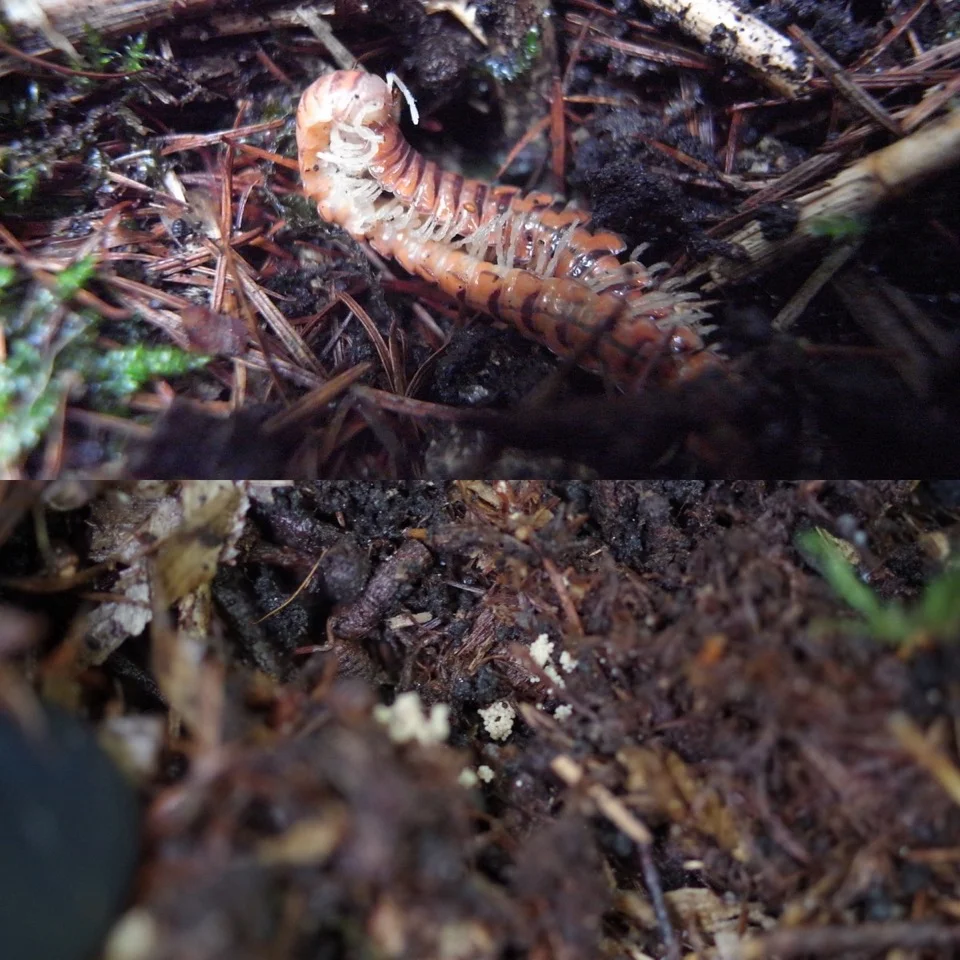
Mating couple and eggs.
Every year in the autumn, I remember seeing swarms of many vivid colored creatures on the forest floor and their attractive “fragrance.” This “fragrance” is actually a disgusting smell for ordinary people, but it is a really impressive “fragrance” for me. This creature is relative large (c.a. 3 cm), orange with dark brown stripe millipede (Parafontaria laminata armigera (Verhoeff), Diplopoda: Xystodesmidae) and is called “the train millipede.” Most millipedes produce a defense substance with a strong odor, so any creature (or person) who grasps a millipede once is sprayed with this chemical and remembers the annoying odor! The defense chemical of Parafontaria is a type of glycosphingolipid (Mori et al., 1994, 1995: Sugita et al., 1994), and has an almond-like smell.
Train millipedes are found in the central mountains in Japan. They mostly live in forests; however, most of those forests were probably long-term grasslands before about 70 years ago. The millipedes become adults in the late summer, 7 years after being laid as an egg. The adults live to reproduce and then die in mass the following year. Surprisingly, only individuals of the same age are found in one place. Because juveniles live completely in soil (endogeic), people only notice when the adult millipedes come up on litter, swarming in September and October (new adults) and the subsequent spring every 8 years. Swarming of big populations of millipedes has been observed worldwide. However, this species has been observed to swarm at exactly eight-year intervals since 1920 in the central mountains in Japan (Niijima & Shinohara 1988). In this area, the millipede swarming is large enough to disrupt train service, so train operators keep precise records of the swarming. That’s why the millipede is called “the train millipede.”
The periodic specificity of Parafontaria millipedes make them good model organisms to study speciation (Sota and Tanabe, 2010; Tanabe et al., 2001), soil nutrient cycling (Kaneko 1999: Fujimaki et al., 2010; Hashimoto et al., 2004; Toyota et al., 2006), and effects of climate change (Makoto et al., 2014). The development of this millipede is fixed by the winter chill (Fujiyama, 1996), so any cohorts with different ages will not mate each other. For a long time, scientists could not find all the possible cohorts with different ages, but recently we found 8 different local populations, which reproduce in different years.
The largest local population of P. laminata becomes adults in 2016 in the southeast slope of Mt. Yatsugatake! Don’t you want to see the amazing swarming and try to hunt the “fragrance” this autumn? The best season will be from mid-September to mid-October.
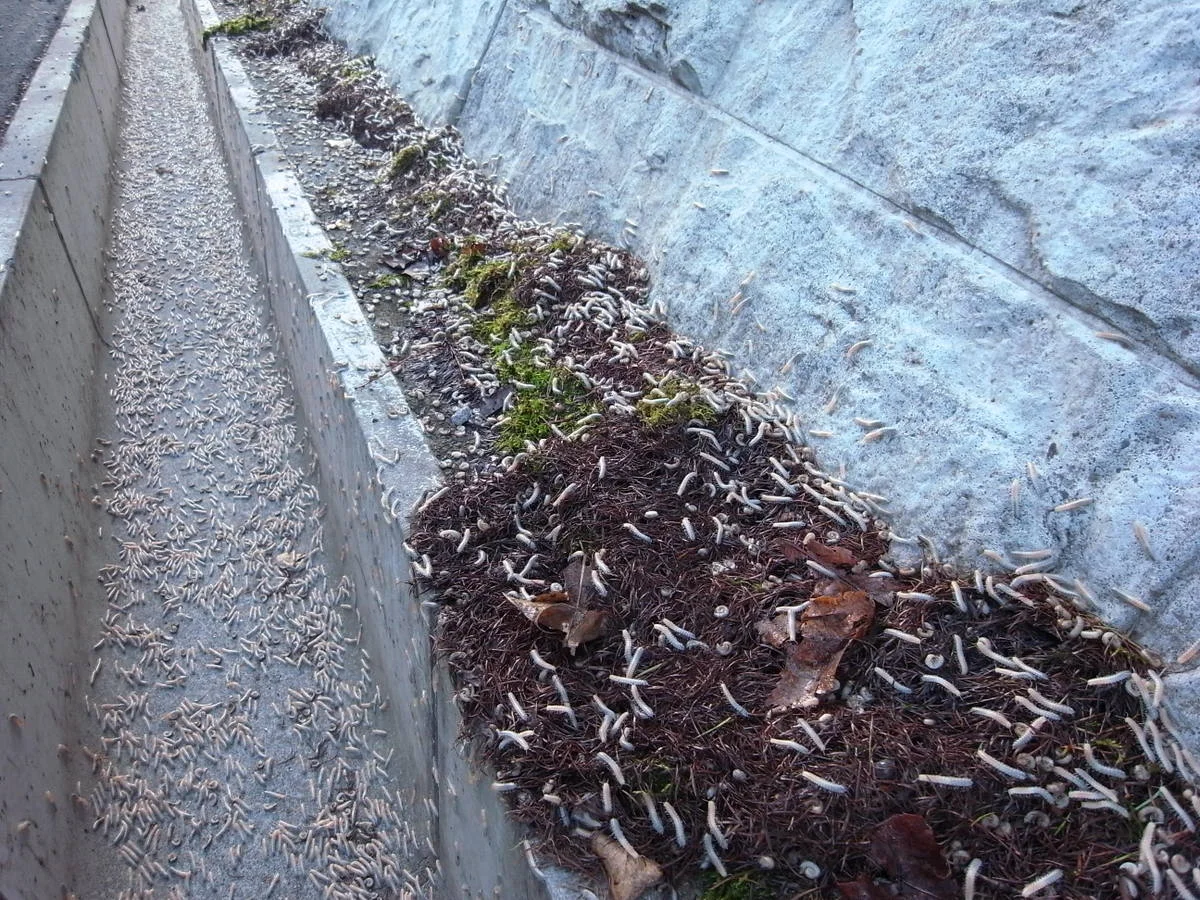
The swarming population along a road side.
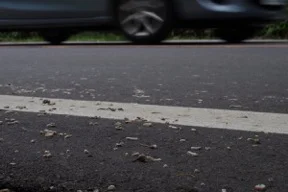
The train millipedes killed on a road.
Further Reading
Fujimaki, R., Sato, Y., Okai, N., Kaneko, N., 2010. The train millipede (Parafontaria laminata) mediates soil aggregation and N dynamics in a Japanese larch forest. Geoderma 159, 216-220.
Fujiyama, S., 1996. Annual thermoperiod regulating an eight-year life-cycle of a periodical diplopod, Parafontaria laminata armigera Verhoeff (Diplopoda). Pedobiologia 40, 541-547.
Hashimoto, M., Kaneko, N., Ito, M.T., Toyota, A., 2004. Exploitation of litter and soil by the train millipede Parafontaria laminata (Diplopoda: Xystodesmidae) in larch plantation forests in Japan. Pedobiologia 48, 71-81.
Kaneko, N., 1999. Effect of millipede Parafontaria tonominea Attems (Diplopoda: Xystodesmidae) adults on soil biological activities: A microcosm experiment. Ecological Research 14: 271-279.
Makoto, K., Arai, M., Kaneko, N., 2014. Change the menu? Species-dependent feeding responses of millipedes to climate warming and the consequences for plant–soil nitrogen dynamics. Soil Biology & Biochemistry 72, 19-25.
Mori, N., Kuwahara, Y., Yoshida, T., Nishida, N., 1994. Identification of benzaldehyde, phenol and mandelonitrile from Epanerchodus japonicus CARI (Polydesmida Polydesmidae) as possible defense substances. Appl. Entomol. Zool. 29, 517-522.
Mori, N., Kuwahara, Y., Yoshida, T., Nishida, N., 1995. Major defensive cyanogen from Parafontaria laminata armigera Verhoeff (Xystodesmidae : Polydesmida). Appl. Entomol. Zool. 30, 197-202.
Niijima, K., Shinohara, K., 1988.
Outbreaks of the Parafontaria laminata group (Diplooda: Xystodesmidae). Jpn. J. Ecol. 38, 257-268.
Sota, T., Tanabe, T., 2010. Multiple speciation events in an arthropod with divergent evolution in sexual morphology. Proceedings of the Royal Society B-Biological Sciences 277, 689-696.
Sugita, M., Hayata, C., Yoshida, T., Suzuki, M., Suzuki, A., Takeda, T., Hori, T., Nakatani, F., 1994. A novel fucosylated glycosphingolipid from the millipede, I. Biochimica Et Biophysica Acta-Lipids and Lipid Metabolism 1215, 163-169.
Tanabe, T., Katakura, H., Mawatari, S.F., 2001. Morphological difference and reproductive isolation: morphometrics in the millipede Parafontaria tonominea and its allied forms. Biol. J. Linn. Soc. Lond. 72, 249-264.
Toyota, A., Kaneko, N., Ito, M.T., 2006. Soil ecosystem engineering by the train millipede Parafontaria laminata in a Japanese larch forest. Soil Biology and Biochemistry 38, 1840-1850.
Reflections of Ecological Society of America 2016
By Adam Cobb, Oklahoma State University, ESA Soil Ecology Section Student Travel Award winner

Ecological Society of America - 7-12 August, 2016
The Ecological Society of America’s (ESA) annual conference – most recently held in Ft. Lauderdale, Florida – has been a meaningful part of my professional journey. In 2012, I gave my first scientific conference presentation at ESA in Portland, Oregon. Now, four years later, I was able to present again – just as I finish my time in grad school. However, my presentation was not what I found most exciting about this conference.
This year, the majority of the soil-related presentations were spread across various sessions. That seems right to me. How can we have a session on climate change without considering soil? How can we have a session on sustainable agriculture without considering soil? How can we attempt to address better practices in restoration ecology without considering soil? Those who worship the belowground world need to infuse every ecological discussion with our love of getting dirty and the tiny allies who live underneath us.
I particularly enjoyed two soil presentations. One of these focused on the use of cover crops in agroecosystems. I was driven to speak with the presenter after his talk because I was so impressed by his statistical jujitsu. Those who know me can tell you that I have never been so excited about mathematical analysis! On Thursday, as part of a session on the use of microbes in ecological restoration, I learned more about soil crusts – which might be my new favorite restoration topic. Researchers are uncovering how to use them to combat soil erosion on a large scale, and the success they have had in propagating healthy soil crusts is remarkable.
It is critical that soil researchers find each other and share their creativity. This conference, and the efforts of the Soil Ecology Section, as well as the Microbial Ecology and Biogeochemistry Sections, facilitated this. We were able to meet our peers, and dream together as a group. What can we do to enhance the soil discourse at ESA and globally? From marketing, to community outreach, to potentially supporting small grants for graduate student collaboration, there is a vision to discover and communicate the benefits and wonder of soil life.

Soil Ecology Section - Ecological Society of America

Microbial Ecology Section - Ecological Society of America
Considering the state of soil, it is easy to become discouraged. By some estimates, we are losing this resource 30 times faster than it is replenishing. That is untenable and frightening. Living soil supports living people. As we diminish soil, we run of risk of diminishing our entire planet. We must tell people this hard truth without losing hope ourselves.
I found a lot of hope in students presenting their soil research for the first time at ESA 2016 – just as I had done four years ago. It is my goal to be part of a community of soil researchers who encourage and support and mentor these new dirt worshipers. At conferences, in the field, and even through simple emails, we can keep each other focused and passionate about looking for answers within the soil.
Preserving ecosystem services through adaptive soil management
By: Hannah E. Birgé and Becca A. Bevans
University of Nebraska Lincoln, USA
As a cryptic system occurring in an opaque medium, it’s easy to ignore the belowground in natural resources management until it’s too late. Soil functioning contributes to essential ecosystem services, including regulation of the atmosphere and climate, primary (including agricultural) production, waste processing, decomposition, nutrient conservation, water purification, erosion control, medical resources, pest control, and disease mitigation. The soil system also influences the aboveground through feedbacks. Management that ignores these feedbacks in the pursuit of generating a single ecosystem service may inadvertently alter the very soil processes that underpin the long-term generation of the desired services.

The aboveground and belowground are tightly linked, even though the aboveground is more explicitly targeted in most natural resources management programs. From Birge et al., 2016.
This outcome is easily identified in retrospect, but often difficult to predict. Immediate soil responses to management occurring in this opaque matrix are often ignored, and many monitoring plans fail to capture slow feedbacks, such as declining biodiversity. The effects of these slow feedbacks may be felt only when shifting environmental conditions reveal a loss of response diversity, potentially triggering a non-linear (or threshold) response by the system being managed. The question of when and how to test soil responses to management in the interest of long-term ecosystem service production formed the premise of our paper, “Adaptive Management for Ecosystem Services”, which we co-authored with Craig R. Allen, David G. Angeler, Sara G. Baer, and Diana H. Wall for a special issue in The Journal of Environmental Management.
The Dust Bowl provides a familiar example of how mismanagement, leading to lost soil functioning, undermines ecosystem service production. In the early 20th century, European settlers in the U.S. Great Plains extensively replaced deep-rooted, drought tolerant perennial grassland species with drought intolerant wheat crops. They were spurred on in part by the 1909 U.S. Bureau of Soils announcement that “The soil is the one indestructible, immutable asset that the nation possesses. It is the one resource that cannot be exhausted; that cannot be used up.” This broad-scale removal of perennial prairie plants in the Great Plains starved belowground biota, and left large expanses of bareground exposed during much of the year. An intense drought in the 1930s finally triggered the Dust Bowl. As is common in desertification events, a stochastic event was the proximate cause of system collapse while previously altered system feedbacks were likely the ultimate drivers, making it difficult to disentangle the individual drivers of system state change. The Dust Bowl displaced 100 million hectares of topsoil and left 500,000 people homeless. Yet desertification is not only a historical problem: current annual global economic losses due to desertification are roughly US $3 trillion (~3-5% of global GDP).
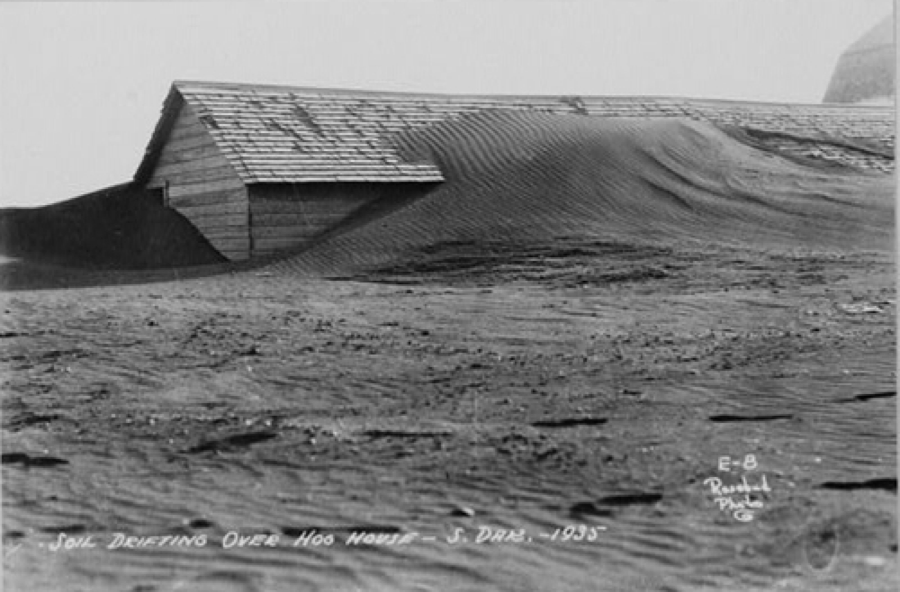
House buried in the Dust Bowl, 1935. Credit: Dorothea Lange, Public Domain.
Salinization is another example of the unintended consequences of feedbacks between natural resources management and belowground response. In Western Australia, the replacement of native woody vegetation with shallow-rooted wheat crops has mobilized groundwater to the soil surface –moving through salt deposits on its way up. Evaporation and infiltration of impure irrigation water often leaves behind saline deposits on the soil surface. In zones where groundwater recharge is high and mean annual precipitation is low, salinity may not be mobilized back to deeper soil, negatively affecting crop productivity and biological activity in the soil surface. Salinization remains an ongoing problem in Australia and throughout the planet. Nearly 50% of global agricultural soils face some risk of salinization, at a global annual cost of ~$12 billion.
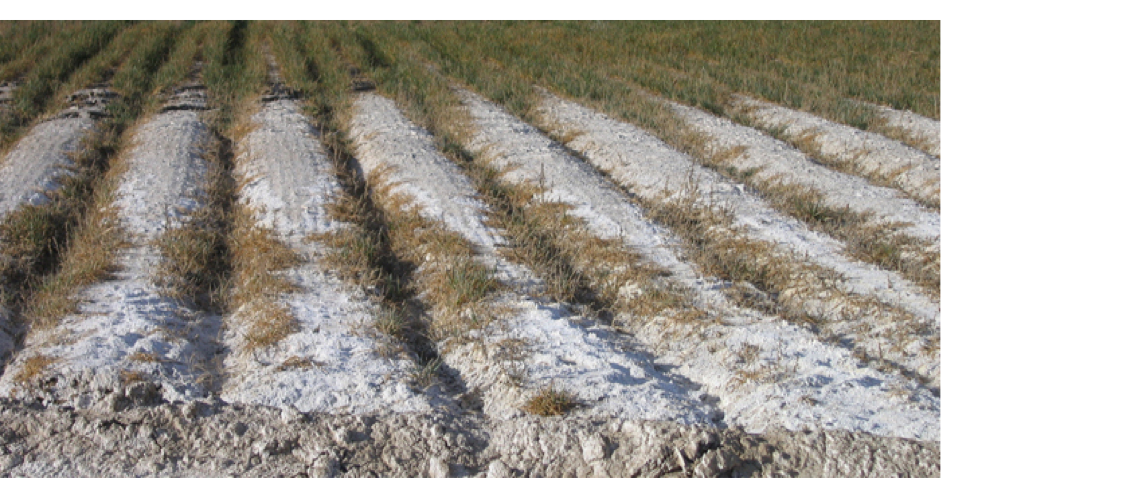
Visible effects of salinity on crop production in Grand Valley Colorado. Photo credit: Donald Suarez
On a smaller scale, issues like mycorrhizal fungi scarcity, pathogen loading, and legacy nutrient loading in the soil can frustrate expected management outcomes. But these are just a few examples of the many possible soil-related management impediments and, crucially, all of them are invisible to the naked eye. How, then, can a manager with limited time, money, and equipment probe the interior of the soil to prevent unwanted feedbacks arising from the soil system while continuing to produce desired ecosystem services?
Adaptive management, we argue, may provide the answer. Adaptive management is a management approach that applies the scientific method to a management problem. We should note that all natural resources managers are adaptive: if something goes wrong, good managers adjust!
Adaptive management was originally designed for the aboveground, but provided us with a starting point for a soil adaptive management framework. Our approach gives natural resources managers a roadmap to determine when and how they should probe the belowground to reduce uncertainty in their management program. When results from an adaptive management cycle focused on the aboveground do not match hypothesized outcomes, managers can implement a simultaneous adaptive management loop focusing on soil variables, by first deciding what factors within the soil may be affecting their management plans (formulate hypotheses), researching and determining methods for altering those processes (develop a testing plan), and finally, implementing their plan by applying the management treatment and monitoring the effects. Tests need not be expensive or labor-intensive; we suggest several tests that are inexpensive and relatively easy to perform on a large scale. In this way, system thresholds are less likely to be inadvertently ignored (or accelerated!) by a management plan.
Adaptive management for soils provides another tool enabling natural resources specialists to identify and address uncertainty arising from the soil system in a methodical and focused way. Like any tool, it will not be applicable in every context (i.e., when certainty is high, or there is little controllability and replicated experiments are infeasible), but it does enable further testing, leading to a greater understanding and appreciation of the roles belowground systems play in regulating essential ecosystem services, and how they perform those services. Avoiding system thresholds does not need to be a mysterious process; implementing adaptive management for soils can help managers to access desired ecosystem services without undermining the process that support them.
Conference Overview: EuroScience Open Forum
By Alberto Orgiazzi, European Commission Joint Research Centre
and
Tandra Fraser, University of Reading, UK

Scientists & visitors celebrate soil biodiversity at the European City of Science Festival, Manchester, UK. Photo credit A. Orgiazzi
The EuroScience Open Forum (ESOF) is a biennial, pan-European conference dedicated to scientific research and innovation that brings together around 5000 researchers, policy makers, journalists and educators from around the world to discuss current and future breakthroughs in contemporary science. The 2016 edition of ESOF was held in Manchester, UK on 23-27 July.
The Global Soil Biodiversity Atlas made its Manchester debut as part of the European City of Science Festival (22-29 July 2016), which took place alongside the ESOF. A number of soil organisms made an appearance, as centipedes, millipedes, mites and earthworms ventured to St Anns Square to educate and stimulate interest in children and adults alike. Organized by Alberto Orgiazzi and Arwyn Jones of the European Commission Joint Research Centre, and joined by fellow soil ecology enthusiasts, Maria Briones (University of Vigo, Spain), Gerlinde de Deyn (Wageningen UR, the Netherlands) and Tandra Fraser (University of Reading, UK).
As part of the Allotment of the Future space, we were surrounded by other exhibits put together by scientists, growers and food experts with displays on growing food with hydroponics, making fermented superfood, edible insects, soil testing and much more. We were also able to check out some science and technology close by, including the Mars Rover competition, nanoscale adventures and graphene, just to name a few of the other intriguing displays around the city.

Rooted between the profiles of a Podzol and a Chernozemic soil, researchers from around Europe shared their enthusiasm for soil organisms with many passing visitors. Photo courtesy of A. Orgiazzi.
Science in the City was a soil biodiversity success as we were able to give children and adults alike a little insight into the tiny organisms that live beneath our feet. We also gave away some atlases for a few lucky ones to continue reading at home.
The European Commission’s Joint Research Centre (JRC) organised a session on the subject of soil biodiversity and its relevance to terrestrial ecosystem services. Entitled ‘No soil, no life’, the session was the only soil themed event of the entire conference and served as the European launch event of the Global Soil Biodiversity Atlas. The session was moderated by Arwyn Jones and included presentations by Prof. Richard Bardgett (University of Manchester, UK) who summarised the links between soil biodiversity and ecosystem services, Alberto Orgiazzi (JRC) who described the Atlas, Prof. Maria Briones (University of Vigo, Spain) who outlined the range of organisms living in the soil and their associated functions, and Dr. Gerlinde De Deyn (Wageningen University, The Netherlands), who described the broad range of threats to soil organisms and potential interventions to protect them.

Brian Cox holding Global Soil Biodiversity Atlas.
Photo credit A. Orgiazzi
The presentations stimulated a number of pertinent questions, press interviews and bilateral discussions. Also, the attendees were excited to get their own copy of the atlas at the end of the session. And vice versa, it was satisfying to see people going around the conference with an atlas under their arms or popping up from their backpacks.
The soil biodiversity team also worked to give a voice to soil organisms. We offered a copy of the Global Soil Biodiversity Atlas to Carlos Moedas, the EU Commissioner for Research, Innovation and Science. Another interesting encounter was the brief meeting with Brian Cox, who as Professor of Theoretical Physics and Cosmology at the University of Manchester and presenter of science programmes for the BBC, was the public face of the ESOF Conference. In UK he is well know since he has been appointed by David Attenborough as his successor to take over the BBC natural history documentaries. He informed us that one of his next television series will be on the microscopic world, with specific interest on soil organisms. He was presented with a copy of the Global Soil Biodiversity Atlas and the JRC were requested to take contact to discuss the possibilities to collaborate further.
So be ready, soon you will have the chance to see soil creatures and the soil biodiversity on the big screen. Stay tuned!
Overcoming Challenges of the Soil Education Gap: Part 2
By Loren B. Byrne
GSBI Education Program Coordinator, and Associate Professor of Biology and Environmental Science, Roger Williams University, Bristol, RI USA
This is part 2 of a 2 part series, part 1 can be read here
The world needs more citizens who are soil literate—who understand how soils and humanity depend on each other for their mutual long-term existence. The insufficiency of such understanding (at societal levels) is due, in part, to the world’s “soil education gap”—the shortage of soil education efforts relative to the scale of the societal need for them.

Leading a “soil critter” walk is an engaging way to introduce people to soil biodiversity. Photo credit L. Byrne
However, it’s not just “soil” education that is of concern; rather it’s soil education of a particular kind. In Part 1, I noted that expanded soil education efforts should focus on “soils’ biodiversity, ecological complexity, and human relationships.” In other words, the problem of the soil education gap must be remedied by helping people develop a holistic social-ecological view that emphasizes the incredibly biodiverse, life-influencing and life-influenced nature of soil systems, and how that generates ecosystem services for human well-being. (This contrasts with a view of soil as a simple, inert, cheap, limitless and dirty material, home to a few “bugs” and lots of germs, that exists for humans to dig up for our needs.) Although I am certainly not the first to emphasize this, I highlight it here as a reminder that the best soil education efforts should go beyond the definitional basics to cultivate sophisticated knowledge about the “liveliness” and positive society-related attributes of soil ecosystems (what I termed “environmental soil literacy” in a recent presentation).
Excellent efforts have been developed to increase global soil literacy, including those of the GSBI, UN-FAO, IUSS, SSSA, and USDA, among others. Hopefully these help overcome the challenge of convincing more people that social-ecological soil education should be prioritized in schools and many other settings (as discussed in Part 1).

Soil organisms can be used in teaching activities that teach general concepts such as food webs. Photo courtesy of L. Byrne.

Soil organisms can be used in teaching activities that teach general concepts such as food webs. Photo courtesy of L. Byrne.
Once soil education is prioritized, what next steps are needed? As a bold vision, I imagine a “soil education renaissance” in which many aspects of education systems, especially teachers’ training and curriculum standards, are aligned and oriented toward social-ecological soil education. In this short blog though, I will modestly address two smaller-scale efforts: 1) teacher-training programs and 2) simple actions that individuals can take. My brief comments can only introduce key ideas, and some points are primarily directed to soil ecologists and others working in educational settings. Despite this, my primary goal is to inspire all readers to think about what they might do to expand soil education in their communities, even if it’s sharing these ideas with others, supporting such actions indirectly, or teaching their own children.
1) At the community scale, increasing soil education efforts will be facilitated by leaders who help inspire, motivate and serve as resources for other instructors. These soil education leaders—and funding agencies—should offer more professional development opportunities specifically for educators to increase their capacities for and comfort with teaching about soils. (Colorado State University provides a nice example.) Many arguments can be made for how and why soil education can be taught in diverse settings, and be used to fulfill diverse curricular needs; training opportunities can incorporate discussions of such justifications to empower educators to confidently use soils in their educational work (for more on this point see a letter in Frontiers in Ecology and the Environment, June 2016, V 14, pp. 238-240, pdf here).
Teacher training programs need not be enormous or onerous for the organizer(s), and they need not be held in formal conference or school settings. For example, last year I led a 2.5 hour presentation and discussion about soil biodiversity and ecology to the education staff at a local environmental organization. I shared key talking points, led simple demonstrations about soil organisms and aggregation, and engaged participants in reflection about how they could integrate soils into their existing programs. They were very grateful and I found the conversation to be rewarding. Thus, I encourage others to create similar small-scale opportunities to engage educators in their local communities.
2) Individuals can take many (relatively) simple actions to facilitate soil education (directly and indirectly) that do not require extensive resources or planning. Here are a few examples based on my own experiences:

A soil aggregate model, constructed by the author’s students, was displayed in an environmental education center to spark conversation about soils. Photo courtesy of L. Byrne.
Visit an elementary school to discuss the wonders of soil biodiversity with students—and hopefully show them living examples! I did this with second graders and was amazed at their excitement and abilities to piece together a soil formation story as I showed them leaves, mushrooms, springtails, and millipedes.
If you’re an educator, integrate soil biodiversity and soil-related ecosystem services into more lessons, even those for which soils aren’t the main focus. For example, I developed a teaching activity that uses soil organisms to introduce general food web concepts (downloadable here).
When you develop a teaching activity about soils, publish it so others can use it! The EcoEd Digital Library (where my food web activity is published) and the American Biology Teacher are examples of peer-reviewed outlets for teaching materials.
Buy children’s books about soil organisms and donate them to a local environmental education center, which often have very small budgets and will almost certainly be very grateful to receive such resources.
Offer to lead a “soil critters” nature walk or give an evening talk at a local environmental center or park. When I led such a walk, one of the participants commented that she “had no idea so many organisms live in soil!”
If you’re feeling more adventurous, create a soil aggregate model (see the photo) that is very effective for sparking conversation wherever it is displayed. Having students create the model is also great teaching activity. (Construction details are provided by Bruns and Byrne 2004: abstract, pdf.)
These are only a few ideas from a much larger set of possibilities about how to help people become more soil literate. More are listed on the GSBI’s education website, which is a work in progress; if you know of other information that should be listed, please let me know. In addition, if you wish to discuss other ideas or hear more about the ideas above, please don’t hesitate to contact me (email: lbyrne“at”rwu.edu). It is only by working together and building a strong social-ecological soil education community that we can be successful in overcoming the challenges of filling in the world’s soil education gap.
Overcoming Challenges of the Soil Education Gap: Part 1
By Loren B. Byrne
GSBI Education Program Coordinator
Associate Professor of Biology and Environmental Science, Roger Williams University, Bristol, RI USA
The main point of this two-part blog entry is direct:
The world needs more soil education efforts, especially emphasizing soils’ biodiversity, ecological complexity, and human relationships.
That thesis is surely uncontroversial to anyone who knows about the many wonders of soil organisms and ecosystems, and their importance to humanity. However, filling in the “soil education gap” faces two major challenges: 1) convincing more people that soil education is a pressing concern that should be prioritized, which, in turn, is needed for 2) catalyzing the actions—at individual and collective scales—to actually increase the world’s soil education efforts. A key follow-up question is how to respond to these two challenges. This entry will address the first challenge and Part 2 will discuss the second.
Convincing more people about the need to expand soil education efforts is in itself an education problem. An essential response is raising general knowledge (i.e., soil literacy) across all sectors of society that soil ecosystems are precious, limited natural resources that must be managed more thoughtfully and carefully than in the past. Recent reports by the GSBI (Global Soil Biodiversity Atlas) and UN-FAO (Status of the World’s Soil Resources) are helping focus needed attention—especially among policymakers—on the ecological complexity of soils and associated research, policy and management gaps.

Students sample soil. Photo credit V. Bala Chaudhary
Thankfully, both reports acknowledge the need for more soil education. However, this issue is addressed briefly in their latter halves and by framing education as a broader policy issue rather than a standalone question. For instance, formal discussion of soil education was only allocated ~1/4 page within the governance and policy chapter of the UN soil status report. In contrast, “education” was included in the title of the Atlas’ chapter 7 which devoted six full pages to education themes and resources; this is still only ~4% of the report’s main pages.
How education is framed and presented is perhaps subtle but a critical concern. Very few, if any, educators are likely to think of their day-to-day work as a “policy” problem; framing it that way may inappropriately bias or narrowly define conversations. Further, when soil education is presented very briefly toward the end of documents, readers might be left with the impression that it is of less concern, perhaps an afterthought, not worthy of additional space—or, at best, that it can be set aside for discussion elsewhere. At worst, underemphasizing the need for expanded soil education may generate the assumption that the state of the world’s soil education is fine and does not require much attention.
What if, instead, high-profile discussions about soils started with education as a central—even the central—problem and used that issue to frame other soil-related questions and concerns? What if the main motivating factor guiding, even dictating, the work of international and national soil organizations and committees was the need to expand the work of soil education (rather than research, policy making, or management)? Could such emphasis help us overcome the challenge of the soil education gap?
These are questions that coauthors and I had in mind when writing our letter that was recently published in Frontiers in Ecology and the Environment (June 2016, V 14, pp. 238-240, downloadable as a pdf here). In this letter, we make a concise argument about how and why soil education efforts should be prioritized and expanded. We highlighted the fact that “soil- systems education (is) an essential foundation for ensuring humanity’s long- term well- being” because “without soil education, future scientists, educators, policy makers, and land managers, among many others, are less likely to consider soils in their decisions, which will undermine policy making and scientific efforts to increase the sustainability of soil systems” (emphasis added). Naturally, as an environmental educator, I am biased in thinking that education should be the starting point for most discussions and is an essential foundation for solving problems! Nonetheless, it seems hard to argue that educating more of the world’s citizens about soil ecosystems is not essential to achieving their sustainable management.

“Pedagogy for the Pedosphere” emphasizes hands-on, inquiry based learning activities such as sampling and analyzing soils as a means to increase students’ “soil literacy.” Photo courtesy of V. Bala Chaudhary.
Perhaps one way to talk with, and ultimately convince, more people—especially those who control budgets—about our need to allocate more resources to soil education is to use a unique, compelling vocabulary. Having key phrases is an important way to identify and frame questions and focus diverse stakeholders’ attention on a common concern. Above, I used “soil education gap” and “soil literacy” to help articulate two aspects of the “soil education question”. In our aforementioned Frontiers letter, we defined a solution as “‘pedagogy for the pedosphere’ – innovative, interdisciplinary, systems-based education grounded in the study and appreciation of soils, their ecology, and their vital human relationships.” Although some people might find such phrases “corny” or unneeded jargon, I argue that they are useful, in part, because they are memorable (e.g., with the alliteration of “ped”) and provide practical shorthand when discussing a larger set of concepts and concerns. (Expanded analysis of these phrases is outside the scope of this short blog entry but needs done as part of advancing the soil education conversation.)
Let’s assume that the three strategies described above (increasing society’s soil literacy, emphasizing soil education, defining compelling vocabulary) help more people become convinced that the world does need more “pedagogy for the pedosphere.” What then? What specific teaching actions can be taken to educate others—of all ages—about the beauty and immense value of soil ecosystems and their fascinating creatures? Thankfully, many soil educators have developed resources to guide effective and expanded soil education programs, curricula, courses, and lessons. (For examples, see the GSBI education websites for selected references and resources). In Part 2, I will share some ideas that I hope will inspire more efforts to fill in the world’s soil education gap.
TEATIME 4 Citizen Scientists!
By: Taru Sandén (Lehtinen)
post-doctoral researcher Department for Soil Health and Plant Nutrition at the Austrian Agency for Health and Food Safety (AGES)
This is the 2nd in a two part blog series.

Tea is buried everywhere. Photo credits Ursula Koch
If we want to understand and predict the emissions of carbon dioxide from soils on a global scale, it is crucial to measure decomposition rates. Tea Bag Index (TBI) is a standardized method that was developed to do exactly that! You can read more about this in our previous blog. In short, the measurements need to be done in different types of soils under different kind of land use. Our goal is to make a global map of decomposition. With this map we want to test how TBI is affected by climate change. For a small group of scientists this task is too big to achieve in a timely manner.
To solve this, and to increase soil awareness globally, the Tea Bag Index has teamed up with Citizen Scientists in many different countries. In Sweden, 250 schools were burying tea bags in 2015. The school classes got their information package and scales in the post with guidance on how to carry out their own climate experiment. The teachers were responsible for the activities across Sweden. If and when needed they could always contact Judith Sarneel from Tea Bag Index. She coordinated the study, calculated all the results, and gave feedback to the school classes. And more classes and countries are to follow this and next year!

School children bury teabags. Photo credit Judith Sarneel
In the same year (2015) in the UK, Sarah Duddigan, was encouraging UK gardeners to bury tea bags and to celebrate the UN International Year of Soils. She wanted the gardeners to focus on soil health in their home gardens. Approximately 180 gardeners signed up, and in 2016 more and more gardeners are joining to collect data all across the UK.
In Austria, agricultural schools and farmers are taking part in a Citizen Science Award competition in 2016. Taru Sandén (Lehtinen) has asked the Citizen Scientists to bury tea bags in maize fields, grasslands or forests in June and to dig them up again after three months. Tea Bag Index is one of 10 projects participating in the Citizen Science Award, thus, there are possibilities for the Citizen Scientists to participate in more projects at the same time and all the data obtained will be incorporated in the global TBI map.
Soils receive very little attention in media coverage of environmental issues. 2015-2024 has been named to International Decade of Soils. The Tea Bag Index hopes that it will also be a Global Decade of the Tea Bag Index! We specifically aim to involve school classes and youth groups as those have shown the highest response and most reliable data so far. We hope to get as many Citizen Scientists as possible involved in the project! Tea Bag Index team would be grateful for your help in spreading the word about this global initiative, and your support in making a global decomposition map reality!
If you are ready for some TEATIME, simply write to tbi@decolab.org (link sends e-mail) and join the fun!

Tea Bag Index team members prepare packets for schools. Photo credit Judith Sarneel
The science of a buried tea bag
By: Judith Sarneel, Post-doc– Landscape ecology - Umeå University
This is the 1st in a two part blog series on the citizen science project The Tea Bag Index.
Soils contain a wealth of organisms. The food for many of those organisms is dead plants or other organic material. By consuming plant remains, they provide a vital function to the world, called decomposition. That is, soil organisms decompose organic material and make nutrients available for plants again. However, they cannot consume all organic material that is available, and globally about 2700 tons of carbon is stored in the soil, which is 2-3 times as much as in the atmosphere. Therefore, changes in decomposing activities of soil organisms will modulate the organic content of the soil. As the greenhouse gas carbon dioxide (CO2) is produced during decomposition, changes in decomposition may have large implications for the concentration of carbon dioxide in the atmosphere.

Tea bags, Photo by Judith Sarneel
Measuring decomposition is a quite laborious process, where you measure the weight loss of plant litter enclosed in plastic mesh bags placed in the soil. So after a long day in the lab, I did what every person would do after making hundreds of bags: I complained to my colleagues, and they agreed. However, while complaining we realized that the very teabag we were using to make tea at that moment was actually similar to a litter bag. Modelers in the group started to dream about obtaining enormous amounts of data using a unified, comparable method, with which they could model what could happen with the enormous amount of carbon in the soil under climate change.
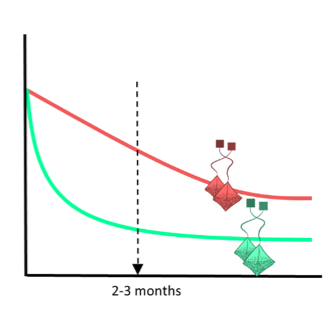
Litter mass loss over time of Rooibos and Green tea
Although many decomposition studies have been carried out already, unfortunately, each research group choose their own method, making it now hard to compare data across studies. For example, how to filter out the effect of climate in decay curves obtained from litter incubated at 3 cm depth in Alaska to litter from another species buried 6 cm deep in South Africa?
The Tea Bag Index we developed solves this problem with an extremely easy method. You take one green and one rooibos tea bag (everybody has to use the same brand). You weigh them, bury them 8 cm deep in the soil and after 3 months, you take them out, dry them and weigh them again. The weight loss will tell you how much and how fast plant material decomposes at the burial location.
By using two types of tea we obtain two proxies that characterize two different phases of the decomposition process. During the first phase, all the easy material is consumed, while in the second phase, mass loss is much slower as only the more recalcitrant material is left. With the decay of easy to decompose green tea (green line) one can determine how much of the labile fraction of the material is decomposed and how much is stabilized, which is a proxy for the second phase of the decay model. Rooibos tea decomposes much slower (red line) and after three months, it is still in the first phase of decomposition, from which the initial decomposition rate (k) can be estimated.

The TBI team members: Judith, Joost, Mariet and Taru Photo by Judith Sarneel
Now we are on a mission! The mission is to get as many tea bags buried (and retrieved) as possible.
Do you want to join? Don’t hesitate, it’s fun! Just send an email to judith@tbi.org (link sends e-mail). You can join by burying a few bags or many bags (e.g. along side your own experiments), both are very welcome! The project will run this year and next year.

What lies beneath: South Africa’s megadiversity of soil biota Part III
By Dr. Charlene Janion-Scheepers & SERG members
This is the final in a three-part blog series highlighting the rich soil biodiversity found in South Africa.

In our previous blog we discussed some key findings of our review on the rich soil biodiversity of South Africa. In this last blog we want to highlight some key conservation priorities, threats to soil biota and some future directions we think are necessary for the advancement of soil biota research in South Africa.
Threats to soil biota in South Africa
Global drivers, such as land degradation, exploitation, pollution, climate change and
biological invasions, are serious threats to South African biodiversity. For many understudied groups even the identification of invasive species are problematic, while the impact of these invasives on the indigenous species are also unknown. Climate change will probably directly and indirectly favour invasive species in all South African ecosystems, thus the identification and assessment of distributions of invasive species should become a research priority for all soil biota groups.
Other threats to soil biota include intensified land-use. The livelihoods of people in South Africa depend in many ways on the continued functioning of the soil ecosystem, thus there is an urgent need for basic biodiversity knowledge in order to facilitate the soil ecosystem research required to assess sustainability.

Conservation
Soil dwelling species are usually classified as Data Deficient in the IUCN red list criteria. This appears to be related to the limited number of soil biota researchers, difficulties in identification, and inherent logistic difficulties in surveying and sampling. Even the most basic IUCN Red List criteria require a reasonable understanding of the taxonomy and distribution of individual species. The results from our review agree with previous findings, that many taxonomic groups of soil biota could not be assessed for conservation status due to a lack of baseline data. However, exceptions do exist, and the recent First Atlas of the Spiders of South Africa provides an excellent model of what is possible. In addition, the inclusion of endemic soil biota in conservation planning should be the next step to ensure soil habitat conservation.
Future research directions
The major issues that need to be addressed were clear: funding needs to be put in place to:
Train taxonomists
Consolidate and curate existing collections for improvement of data storage and management
Capture existing data
Fill gaps identified in this paper, especially focusing on the functional roles of soil biota
Use our existing and growing expertise as a base to tackle a continental deficiency in our understanding of soil ecosystems
Use current taxonomic expertise to facilitate the development of DNA barcode libraries
Sampling areas that have been poorly studied should be a priority for future work, which includes the Nama-Karoo, Northern Cape and Eastern Cape

Fig. 1: A schematic example of an integrative sampling approach.
In South Africa, funding and expertise is required in a coordinated research framework. Successful examples of this approach have been demonstrated for Europe, such as BISQ and EcoFINDERS. The development of an integrative sampling approach to sampling soil communities (Fig. 1) should be initiated in South Africa to place taxonomic knowledge in an ecological context and develop monitoring tools to provide valuable advice for soil health management. Such an overall strategy for South African soil biota research is needed, which recognises that although different research priorities exist for each group, sharing and contrasting experiences will help advance our knowledge across the board. We see the formation of SERG as the first of many steps towards the goal of an integrative approach to soil ecosystem research in South Africa.
What lies beneath: South Africa’s megadiversity of soil biota Part II
By Dr. Charlene Janion-Scheepers & SERG members
This is the second in a three-part blog series highlighting the rich soil biodiversity found in South Africa.

If you think about South Africa the first thing that may come to mind is Table Mountain and the well-known Kruger National Park. However, the country has an extraordinary diversity of mammals, birds, reptiles, amphibians and plants. And don’t forget about the famous “Big Five”. But have you ever wondered about what lies beneath the soil and makes up the mysterious “Not-so-Big Five”?
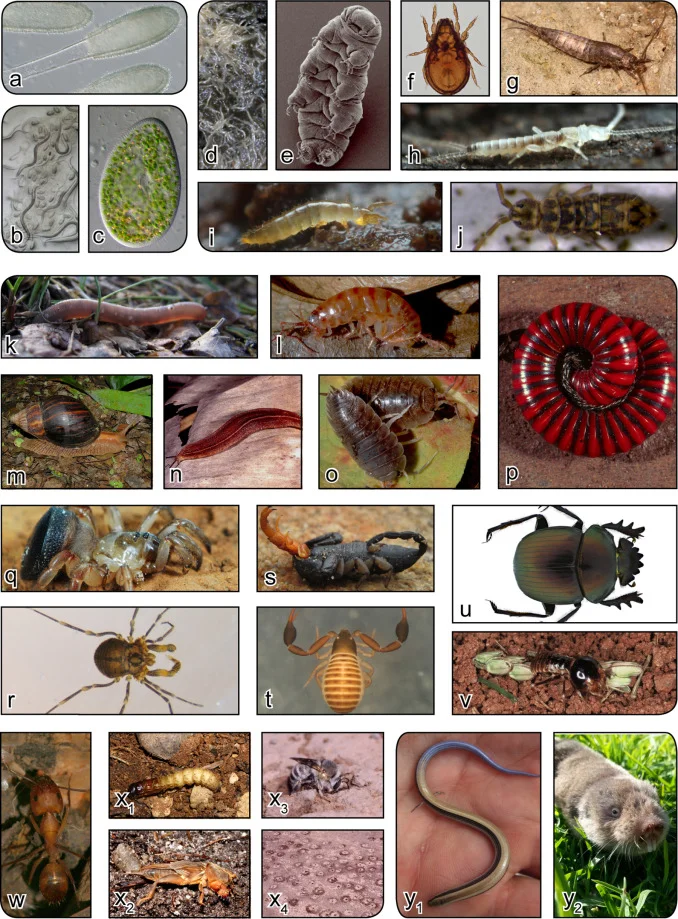
Following the formation of the Soil Ecosystem Research Group in 2011 (read our first blog here), we set out to understand the current known diversity of soil biota in South Africa. We collated all current knowledge available for each soil biota group, including historic information of the field in South Africa, data on the current known number of species, distribution data, collection techniques and the locality of the major museum collections (for groups discussed see Fig. 1).
The results confirmed that the soil biota of South Africa is very diverse, but poorly sampled. Most groups are following the global trend of showing an increase in species descriptions, but for some groups, such as protozoans, proturans and tardigrades, data are lacking with no local taxonomic expertise available. Groups such as spiders, ants, earthworms, mites, nematodes and gastropods are reasonably well known due to long standing research programs and excellent effort by the taxonomists. For other groups, knowledge is more fragmented, but increasing due to international research collaborations (such as for springtails), but also due to the development of advanced technologies (such as for fungi).
Fig. 1. Soil groups discussed in this review. (a) Fungi (Aspergillus clavatus)—M. Truter, (b) Nematoda—M. Marais, (c) Protozoa—Flickr user: Picturepest*, (d) Enchytraeidae—WikiCommons user: Cherus*, (e) Tardigrada—R. Goldstein & V. Madden*, (f) Acari (Tectocepheus velatus)—L. Coetzee, (g) Microcoryphia—B. Marlin*, (h) Diplura—A. Murray*, (i) Protura—A. Murray*, (j) Collembola (Isotomurus maculatus)—C. Janion-Scheepers, (k) Oligochaeta—S. Shepherd*, (l) Amphipoda (Talitroides topitotumbest) C. Griffiths, (m) Gastropoda (Achatina imaculata)—D. Herbert, (n) Gastropoda (Chlamydephorus sexangulus)—D. Herbert (o) Isopoda (Porcellio scaber)—C. Griffiths, (p) Diplopoda (Centrobolus sp.)—M. Hamer, (q) Idiopidae (Galeosoma planiscutatum)—P. Webb, (r) Opiliones—L. Lotz, (s) Scorpiones (Opisthacanthus sp.) eating Chilopoda—J. Measey, (t) Pseudocorpiones—L. Deharveng, (u) Scarabaeinae (Scarabaeus cupreus)—Scarab Research Group, University of Pretoria, (v) Termitoidae (Hodotermes mossambicus)—J. Mitchell, (w) Formicidae (Camponotus sp.)—B. Braschler, (x1) Hepialidae (Eudalaca ammon)—R. Schutte, (x2) Gryllotalpidae (Gryllotalpa africana)—M. Picker/C. Griffiths, (x3/x4) Apidae (Anthophora braunsiana, and their nests)—A. Weaving, (y1) Scincidae (Scolotes gronovii)—J. Measey, (y2) Cape mole rat (Georychus capensis)—J. Measey. Photographs contributed by authors unless otherwise indicated (* licenced under creative commons licence).
What was even more astounding was that more than half of all the species known for most groups are endemic to South Africa. This number if probably much higher than current estimates, as the number of species descriptions is still steadily increasing. For some this endemicity is extraordinary high for some groups, such as isopods (95%), opiliones (92%), bristletails (95%), earthworms (84%), gastropods (80%) and tardigrades (89%). For many soil insect species endemicity is probably much higher than the current estimate. Several groups contain a large percentage of the globally described species. For example, 6.4% of the world’s nematode species, 7.7% earthworms, 10.2% Embioptera and 8.4% dung beetles are found in South Africa. For many of these groups, as is the case worldwide, are in need of taxonomic revision and detailed field sampling. While sampling has been relatively comprehensive in some areas (Fig. 2), the Nama-Karoo, Northern Cape and Eastern Cape Provinces are all poorly sampled. Natural soils in biodiversity hotspots, such as the Fynbos Biome, are also understudied.
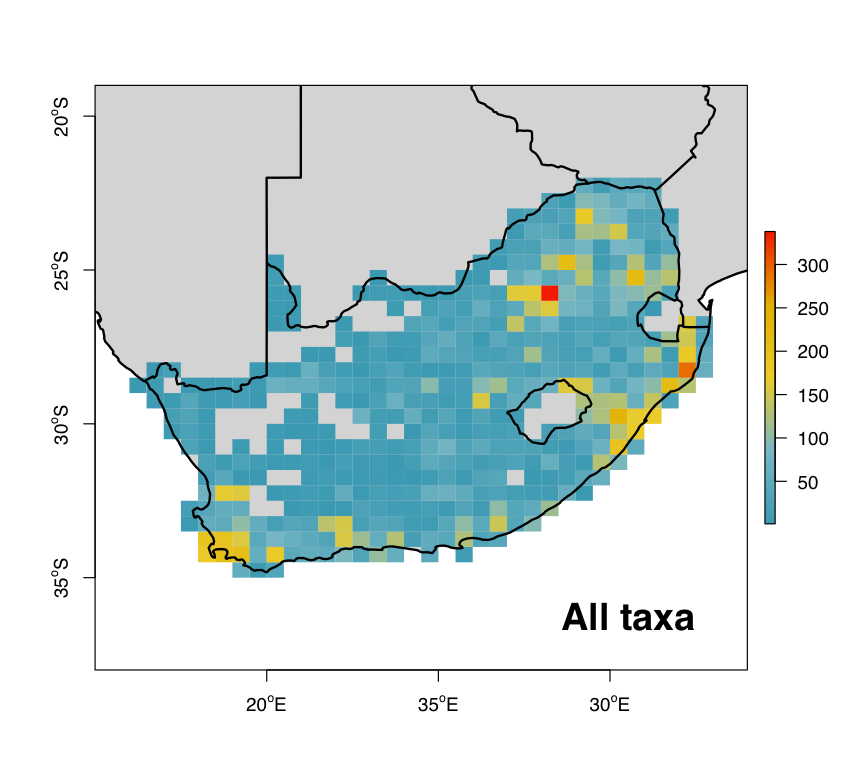
Fig. 2: The distribution of soil fauna in South Africa.
In summary, while we’ve learned that we already know an amazing amount about the animals and other organisms that live in our soils, we realised that what we don’t know is even greater. Read our paper here.
In our next blog we will discuss some future research directions and sampling strategies, while also focusing on some threats that face soil biota in South Africa and ways we can mitigate these.