

Blog Archive:
Beneath Our Feet
Bugs for our bugs? Edible insects and the microbiome

You’ve likely heard some of the recent buzz around edible insects. But most Americans still think of insects primarily as pests, vectors of disease, or perhaps pollinators. For billions of people across the globe, however, insects are also an important part of the diet. While the idea of eating insects—termed entomophagy—may seem peculiar in the West, it has been practiced by humans throughout history; more than 2,100 edible species have been documented to-date, from grasshoppers, to beetles, to cicadas, to wasps.1 There is a wide array of ways to cook and process edible insects; they are flavorful, diverse, and occupy a meaningful space in traditional food culture for millions. Furthermore, insects can serve as nutritious feed for livestock, poultry, and aquaculture. They have been touted for their desirable environmental and nutritional characteristics compared to conventional meat products.

The vast majority of insects consumed today are harvested from the wild, but there is potential for insect cultivation, sometimes called minilivestock farming, to increase production of and consequently access to insect foods year-round for consumers in contexts where insect eating is already prevalent as well as where it is just gaining steam. There are ample opportunities for minilivestock to benefit both people and the planet, but substantive questions regarding their viability and utility as both food and feed in the future remain. I have been personally fascinated by this topic for the past 6 years, recognizing the need for outside-the-box thinking to help us meet our global food security challenges in the face of climate change.
- Their environmental impact is estimated to be significantly lower than traditional livestock,2–4 as they need less land, water, and feed to survive and thrive,4 and emit fewer greenhouse gases (GHGs).3 Their high feed-conversion efficiency,2 relatively short lifespans, ectothermic thermoregulation, and large edible body mass percentage5 contribute to overall sustainability and desirability.
- Production of 1 kg live mass gain in crickets requires about eight time less feed than 1 kg mass gain in beef, for example.2,6
- Most edible insects do not produce methane,7 and overall, total GHG emissions from several common edible insects are lower by a factor of about 100 than pigs or beef cattle.3
- Some insects are adept recyclers that can be cultivated using organic side streams, agricultural byproducts, manure, or rotting food—thereby recycling and adding value to otherwise inedible biomass.8
Edible insects are also nutrient dense and high in crude protein,9–11 containing between 40 and 75% by dry weight on average12—even more than of dried beef.13 Most offer all essential amino acids for human nutrition2 and are rich in polyunsaturated fatty acids.14 Insects are typically good sources of minerals, including potassium, calcium, magnesium, phosphorous, iron, and zinc.12,15–17 Some are also high in B vitamins, such as biotin, riboflavin, pantothenic acid, and folate.12,16 You should note that the nutritional value of insects varies greatly by species, life stage, and feed; plus, we don’t know much about nutrient bioavailability.
Interestingly, and unlike other animal products, insects contain meaningful levels of dietary fiber. Not surprisingly, dietary fiber intake contributes to gut microbiome health by increasing microbial diversity,18,19 and high fiber intake has been associated with a reduced risk of some cancers20 and heart disease.21,22 Most of the fiber in insects, which accounts for about 10% of dry weight,11 is found in the insect exoskeleton (made of chitin). Chitin, a modified polysaccharide, is abundant in nature and its more soluble derivatives have been evaluated for potential health-promoting properties, such as an ability to modulate serum cholesterol with implications for heart disease,23 controlling lipid absorption,24 and exhibiting prebiotic effects.25 Little is known about the fate of insect chitin in human digestion, however. It is possible, but as of yet unverified, that insect fibers could modulate gut microbiota by serving as a prebiotics, those non-digestible food items that promote the growth of beneficial gut bacteria (probiotics).
To date, no comprehensive clinical studies have investigated the impact of insect consumption on the human microbiome. Hence, my colleague Dr. Tiffany Weir from the Department of Food Science and Human Nutrition at Colorado State University (CSU) and I set out to investigate just this. We wanted to determine if edible crickets offer any beneficial properties beyond their nutrition composition, potentially related to their fiber content. (I say beyond nutrition because fiber is not technically a nutrient since it is not digested by humans directly, but passes through undigested or is broken down by the microbes in our gut.) Dr. Weir and I are both very interested in the microbiome, given the crucial role it plays in both mental and physical health. As an undergraduate student at CSU, I worked as a laboratory assistant for Dr. Weir. Now, many years later, as a postdoctoral researcher at the University of Wisconsin-Madison, I am grateful for the opportunity to collaborate with Dr. Weir on this project.
To investigate our questions linked to entomophagy, we developed a human dietary intervention study, which we implemented in Fort Collins, Colorado with healthy (and gullible?) volunteers from the area. The purpose of the study was threefold. We wanted to confirm that cricket consumption was safe and tolerable. (Considering people eat crickets around the world, we expected this to be true, but wanted to verify it clinically.) We also wanted to see if eating edible crickets influenced human health directly by changing lipid metabolism or markers of inflammation. Lastly, we were interested in assessing if insect fibers, such as chitin – the primary component of the exoskeleton – could serve as prebiotics.

We set up a double-blind, randomized, crossover clinical trial to evaluate what effects consuming 25 g of whole cricket powder per day had on gut microbiota composition, while also assessing safety and tolerability. A total of 20 healthy adults participated in the six-week dietary intervention. Participants were randomized into two study arms and consumed either cricket-containing or control breakfast foods for 14 days, followed by a washout period and assignment to the opposite treatment. The breakfast foods included a chocolate malt smoothie and a pumpkin spice muffin. The cricket treatment breakfast included cricket powder purchased from a commercial minilivestock farm in Canada (Entomo Farms). Blood and stool samples were collected at baseline and after each treatment period to assess changes in blood chemistry, liver function, and shifts in microbiota.
Results from our clinical trial demonstrated that cricket consumption was safe and tolerable at the study dose. All participants completed the trial. Additionally, we learned that there may be some benefits to gut health from eating crickets. We observed that cricket consumption was associated with a slight increase in the liver enzyme alkaline phosphatase, and this result along with our observation that there was a slight decrease in circulating pro-inflammatory cytokine TNF-alpha with cricket consumption, is suggestive of an improvement in intestinal homeostasis (presence of a healthy gut mucosal barrier that maintains equilibrium and segregates microbiota and host immune cells). Eating crickets may improve gut health and reduce systemic inflammation; however, more research is needed to understand these effects and underlying mechanisms. We also observed several changes in the abundance of specific microbial taxa after eating cricket powder, including a prebiotic effect. Specifically, after eating crickets, we measured a significant increase in the abundance of one good bacterial species, the probiotic Bifidobacterium animalis (about a 5.7 log fold change). B. animalis has been studied extensively and is known to inhibit pathogens, improve gastrointestinal function, and protect against diarrhea and food borne pathogens. An increase in its abundance over the long-term could have a positive impact on human health.
I want to be careful not to overstate the strength of these results; this was a very small pilot study—the very first of its kind! More than anything, our results suggest that we need more research on the topic to understand potential health benefits and risks of eating crickets and other edible insects for the 2 billion people that current eat insects and the countless others that may be interested. Additional research on the environmental and health impacts of edible insects is certainly warranted. The University of Wisconsin and CSU aim to continue this work by looking more closely at potential benefits of insect fiber, the ability of insect chitin to serve as a sole carbohydrate source for probiotic bacteria, and the bioavailability of insect nutrients. You can read the details of this study in our paper, which was published in Scientific Reports last summer.26

To conclude, please allow me to point out the obvious: you’re probably saying to yourself, “this is all fine for people that eat insects, but how might it affect me?” You likely don’t eat insects if you live in the United States, and you’ve got plenty to eat already. But insects represent a food of both historical and contemporary importance for humans, and they will likely play an increasingly notable role in the future. Minilivestock may serve as key ingredients in animal feed and even make their way onto western plates thanks to their diversity in flavor and environmental benefits. Of course this will take time, but Mexican spiced grasshoppers (chapulines) are already being sold at the Seattle Mariners baseball games, and cricket-laden tortilla chips can be bought at mainstream supermarkets. Change is on the menu.
References:
Jongema, Y. List of edible insects of the world. List of edible insects of the world (April 1, 2017) (2017). Available at: http://www.wageningenur.nl/en/Expertise-Services/Chair-groups/Plant-Sciences/Laboratory-of-Entomology/Edible-insects/Worldwide-species-list.htm. (Accessed: 18th September 2018)
Collavo, A. et al. House cricket small-scale farming. in Ecological Implications of Minilivestock: Potential of Insects, Rodents, Frogs and Snails (ed. Paoletti, M. G.) 519–544 (CRC Press, 2005).
Oonincx, D. G. A. B. et al. An Exploration on Greenhouse Gas and Ammonia Production by Insect Species Suitable for Animal or Human Consumption. PLoS ONE 5, (2010).
van Huis, A. et al. Edible insects Future prospects for food and feed security. (Food and Agriculture Organization of the United Nations (FAO), 2013).
Nakagaki, B. J. & DeFoliart, G. R. Comparison of Diets for Mass-Rearing Acheta domesticus (Orthoptera: Gryllidae) as a Novelty Food, and Comparison of Food Conversion Efficiency with Values Reported for Livestock. J. Econ. Entomol. 84, 891–896 (1991).
Smil, V. Worldwide transformation of diets, burdens of meat production and opportunities for novel food proteins. Enzyme Microb. Technol. 30, 305–311 (2002).
Hackstein, J. H. & Stumm, C. K. Methane production in terrestrial arthropods. Proc. Natl. Acad. Sci. U. S. A. 91, 5441–5445 (1994).
van Huis, A. et al. Edible insects: Future prospects for food and feed security. (Food and Agriculture Organization of the United Nations (FAO), 2013).
Verkerk, M. C., Tramper, J., van Trijp, J. C. M. & Martens, D. E. Insect cells for human food. Biotechnol. Adv. 25, 198–202 (2007).
Belluco, S. et al. Edible Insects in a Food Safety and Nutritional Perspective: A Critical Review. Compr. Rev. Food Sci. Food Saf. 12, 296–313 (2013).
Melo, V., Garcia, M., Sandoval, H., Jiménez, H. D. & Calvo, C. Quality proteins from edible indigenous insect food of Latin America and Asia. Emir. J. Food Agric. 23, 283–289 (2011).
Schabel, H. G. Forest insects as food: a global review. in 37–64 (Food and Agriculture Organization of the United Nations (FAO), 2010).
USDA. National Nutrient Database for Standard Reference 1 Release April, 2018. United States Department of Agriculture Agricultural Research Service (2018). Available at: Nutrient Data Laboratory Home Page, http://www.ars.usda.gov/ba/bhnrc/ndl.
Womeni, H. M. et al. Oils of insects and larvae consumed in Africa: potential sources of polyunsaturated fatty acids. Ol. Corps Gras Lipides 16, 230–235 (2009).
Christensen, D. L. et al. Entomophagy among the Luo of Kenya: a potential mineral source? Int. J. Food Sci. Nutr. 57, 198–203 (2006).
Rumpold, B. A. & Schlüter, O. K. Nutritional composition and safety aspects of edible insects. Mol. Nutr. Food Res. 57, 802–823 (2013).
Finke, M. D. Complete nutrient composition of commercially raised invertebrates used as food for insectivores. Zoo Biol. 21, 269–285 (2002).
Tap, J. et al. Gut microbiota richness promotes its stability upon increased dietary fibre intake in healthy adults. Environ. Microbiol. 17, 4954–4964 (2015).
Martínez, I. et al. Gut microbiome composition is linked to whole grain-induced immunological improvements. ISME J. 7, 269–280 (2013).
Farvid, M. S. et al. Dietary Fiber Intake in Young Adults and Breast Cancer Risk. Pediatrics peds.2015-1226 (2016). doi:10.1542/peds.2015-1226
Pereira, M. A. et al. Dietary fiber and risk of coronary heart disease: a pooled analysis of cohort studies. Arch. Intern. Med. 164, 370–376 (2004).
Rimm, E. B. et al. Vegetable, fruit, and cereal fiber intake and risk of coronary heart disease among men. JAMA 275, 447–451 (1996).
Bays, H. E. et al. Chitin-glucan fiber effects on oxidized low-density lipoprotein: a randomized controlled trial. Eur. J. Clin. Nutr. 67, 2–7 (2013).
Zacour, A. C., Silva, M. E., Cecon, P. R., Bambirra, E. A. & Vieira, E. C. Effect of Dietary Chitin on Cholesterol Absorption and Metabolism in Rats. J. Nutr. Sci. Vitaminol. (Tokyo) 38, 609–613 (1992).
Montenegro, M. I. P. Synthesis and characterization of new oligosaccharides with prebiotic activity. (2014).
Stull, V. J. et al. Impact of Edible Cricket Consumption on Gut Microbiota in Healthy Adults, a Double-blind, Randomized Crossover Trial. Sci. Rep. 8, 10762 (2018).
Big pieces in the soil biodiversity puzzle: giant viruses
A single gram of forest soil is home to myriads of bacteria, protists and fungi which drive a number of ecosystem functions – they cycle carbon and other nutrients and support the growth of plants, to name a few. The abundance of soil microbes are controlled through intimate, top-down trophic relationships but also from the bottom-up by viruses. While there are various efforts to explore the important role of bacteriophages (viruses which infect bacteria) in altering ecosystem function in soil, the role of viruses targeting protists and potentially also fungi remains largely unexplored.
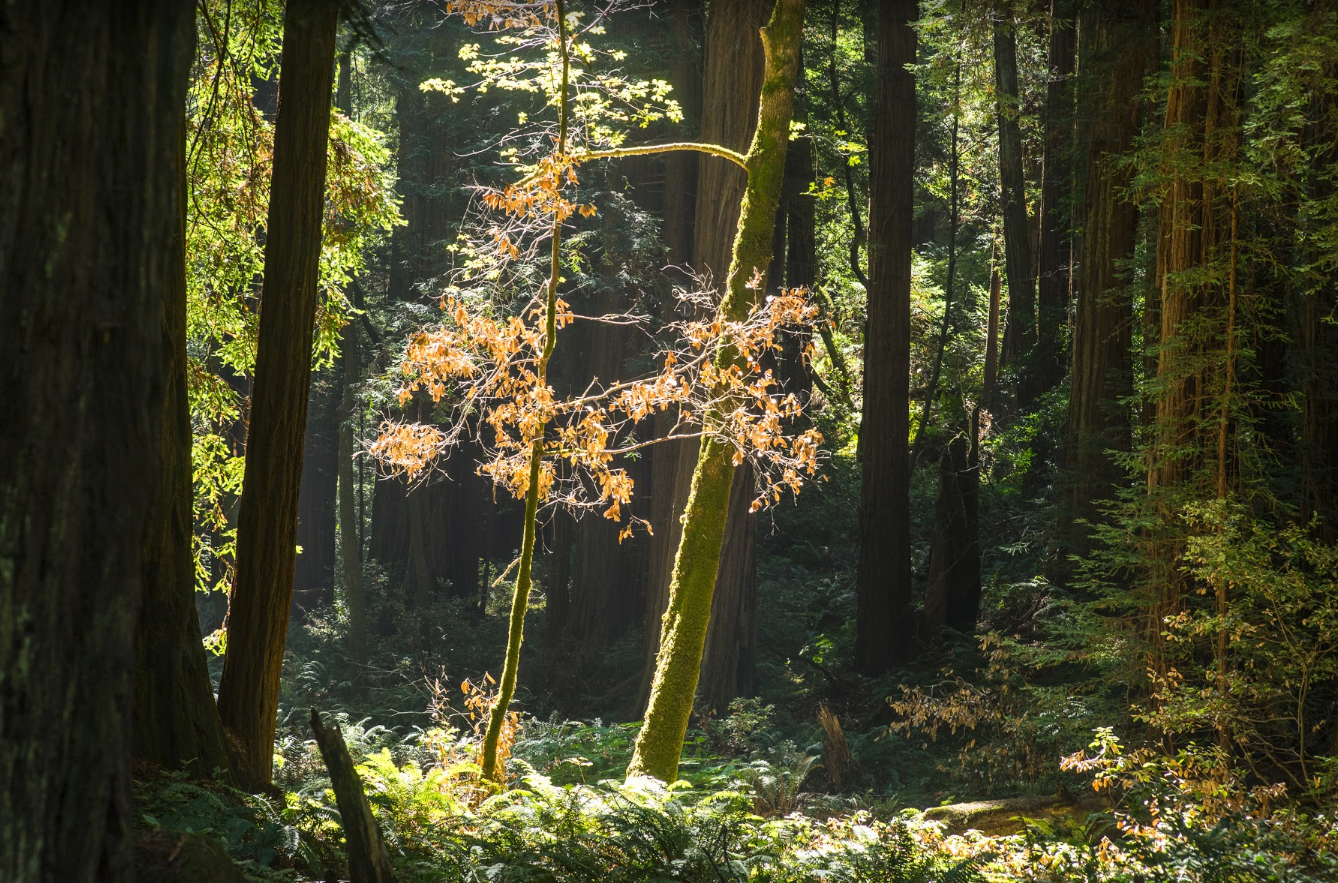
Forests such as Muirwoods (pictured) are likely home to an abundance of undescribed underground giants. (Photo credit: Frederik Schulz)
Giant viruses – viruses with one hundred times larger genomes, and ten times larger sizes than typical viruses – infect unicellular organisms, in particular amoeba. These viruses have been proposed as a new viral order named Megavirales. Recent environmental surveys revealed that members of the Megavirales are extremely abundant in aquatic environments but only few reports exist on the presence of these viruses in soil. In our recent study “Hidden diversity of soil giant viruses,” we report on a wealth of giant viruses in soil from the Harvard Forest Long-Term Ecological Research (LTER) sampling site.
These viruses were an unexpected but exciting byproduct of a study in which Lauren Alteio and Jeffrey Blanchard (UMass) aimed to pinpoint microbial key players in the sampled soil ecosystem, an effort supported by the Department of Energy Joint Genome Institute Community Science Program (CSP). While analyzing metagenomic data from soil microbial communities we discovered 16 new giant virus genomes. Some of the new viruses (Solivirus, Solumvirus and Sylvanvirus) represented potentially new family and subfamily-level lineages in the Megavirales. Others were affiliated with Klosneuviruses, Tupanviruses and Cafeteria roenbergensis virus, all of which were so far only known from aquatic origins, such as marine and freshwater, wastewater and soda lakes. The new soil giant viruses increased the phylogenetic diversity of the Megavirales by more than 20 percent. One of the soil giant viruses, which we named Hyperionvirus after the world’s tallest tree, had with 2.4 megabases the largest genome of any Mimivirus (“mimi” for “microbe mimicking”) known to date. Taken together, we sampled a great diversity of these viruses from an environment with previously few recorded accounts.
A likely contributing factor to the lack of discovery of these or similar viruses earlier is the comparably small number of metagenomic studies targeting soil. One of the major challenges in assessing diversity and function of microbial communities in soil is the enormous complexity of microbes in this environment. These factors often result in fragmented genome assemblies and poor genome recovery in the soil ecosystem. In our study we employed a new strategy (fluorescence activated cell sorting-based mini-metagenomics) which selects only a small fraction of cell-sized particles in the environmental sample, thus reducing its complexity and improving quality of the metagenome assembly. We also generated conventional bulk metagenomes but despite a much greater read depth we were able to only recover a single giant virus genome from these data. We then surveyed the generated metagenomic data for genes encoding a key viral indicator – the major capsid protein. The discovery of those genes showed that traces of giant viruses could be detected in the bulk metagenomes as well. However, these genes were rather rare compared to soil microbial communities and likely challenging to assemble.
Our study underlines that we can expect to find giant viruses nearly anywhere – we only need to start looking for them. It is surprising that the discovery of such hidden diversity of giant viruses in soil has taken such long time, taking into account the prevalence of protists as a host reservoir in soil. We foresee that this is going to change soon, with the use of a more sophisticated technical repertoire, such as mini-metagenomics. Sequence-based detection of giant viruses has now clearly overtaken the pace with which these viruses can be discovered by isolation. Nevertheless, complementary isolation of giant viruses ideally together with their native hosts is crucial – it will allow us to study the impact of these viruses on their host populations, soil microbial communities and the global carbon cycle.
Have a look at our paper in Nature Communications for further information
The GSBI at COP 14: UNCBD, Sharm El Sheikh, Egypt
Dr. Kelly S. Ramirez
Research Scientist
Netherlands Institute of Ecology
Last month I had the opportunity to attend the 14th Meeting of the Conference of the Parties to the Convention on Biological Diversity (UNCBD) – or COP 14 for short (1). I was invited as a representative of the Global Soil Biodiversity Initiative (GSBI) to give a keynote talk in the session “Soil is the Nexus” during Agriculture Day - one of the many side events that are organized along-side the official COP working group sessions (2). (Because the majority of the COP terms and acronyms are discipline specific jargon I have put together a glossary below.)
While the first objective of the CBD (3) is to ‘conserve biodiversity,’ soil biodiversity has received far less attention than more visible, aboveground diversity. Yet, it is well agreed upon that healthy soils, sustainable agriculture and all ecosystem services are reliant on soil biodiversity. This year the COP was to vote for the first time on the inclusion of soil biodiversity measurements in global soil assessments – referred to as ‘a mandate’. Because of this, a special session “Soil is the Nexus” was organized during Agriculture Day by Ronald Vargas and the UN Food and Agriculture Organization (FAO). The aim of the session was to demonstrate how soil (and soil biodiversity) can be the nexus for the three UN Conventions: CBD, Convention on Climate Change (CCC), and Convention to Combat Desertification (CCD).
As the keynote speaker to this session I presented on the role and importance of soil biodiversity for the ‘nexus’. I pointed to my own study in Central Park, NYC where we found >150K types of soil taxa (Ramirez et al. 2015). This finding of extreme biodiversity was not unique to Central Park or urban soils but rather it demonstrates the breadth of biodiversity in all soils. Though research demonstrates how vast and important soil biota are in ecosystem services, in policy and management decisions soil biodiversity remains under-acknowledged.

Dr. Kelly S. Ramirez (second from right) at the United Nations Convention on Biological Diversity 14th Conference of the Parties (UN-CBD-COP 14). Photo credit IISD Reporting Services.
Why include soil biodiversity? Because soil biodiversity is important to so many ecosystem services (also referred to as multifunctionality), consideration of soil biodiversity in global conservation agendas has the potential to simultaneously address multiple Sustainable Development Goals (4) and Aichi Targets (5). For example, when we consider soil biodiversity for humanity: soil organisms produce antibiotics used to treat disease, control crop pests, reduce the need for fertilizer application, and cycle nutrients which support plant growth, including food crops. Collectively, management to promote soil biodiversity for humanity directly benefits two SDGs and three Aichi Targets.
Over the last two decades soil biodiversity has received more and more attention. In fact, many countries and regions have already started taking the first steps. Mexico (where COP 12 was held) has already started assessing and addressing management solutions to their major problem of land degradation. The actions of Mexico have in turn encouraged the UNCBD to act more globally. Similarly, this year I worked with EASAC on a report led by Prof Wim van der Putten “Opportunities for soil sustainability in Europe.” We found that identifying regional solutions were more efficient to address, yet the real test will be implementation at the EU level. Now, the recent CBD mandate marks yet another opportunity to include soil biodiversity in decision making and address the sustainability challenges of our society. This mandate builds upon recent work by the GSBI which has been pushing for an assessment together with the JRC and others for over five years.
As a scientist, it is my responsibility to make my results and data accessible, and to identify practice solutions for use in the management and policy. It is also my responsibility to translate results for public engagement. Soil biodiversity is a part of biodiversity that anyone with a patch of soil can enjoy and explore, what better way to engage new biologists or garner appreciation for nature than discovering soil organisms in your own backyard.

Ronald Vargas, Soil and Land Officer at FAO and Secretary of the Global Soil Partnership. Photo credit IISD Reporting Services.
Glossary:
1) There are many Conference of the Parties (COP) - each with representation from 197 countries and territories; COP are the governing, decision making bodies of the various UN Conventions. You are likely familiar with the UN Convention on Climate Change or Convention (UNCCC). Every other year the CBD COP meets, and thus this year is the 14th meeting of the UNCBD.
2) Working groups elaborate guidelines and recommendations for the implementation of different articles of the CBD – it is here that the bureaucracy and decision making happens.
3) Each Convention has their own meetings and objectives. The objectives of the CBD include: 1. The conservation of biological diversity; 2. The sustainable use of the components of biological diversity; 3. The fair and equitable sharing of the benefits arising out of the utilization of genetic resources. Climate change and land degradation continue to threaten global sustainability. The CBDs objectives offer a ‘biodiversity’ solution to these challenges.
4) Sustainable Development Goals (SDGs) 17 goals developed by the UN address the global challenges including those related to poverty, inequality, climate, environmental degradation, prosperity, and peace and justice by 2030.
5) Aichi Targets Strategic goals developed by the CBD to address biodiversity loss before 2020.
Global Worming
Dr. Rüdiger M. Schmelz
71 new species of earthworms and enchytraeids in a Zootax Special Issue in honor of András Zicsi (1928-2015)
Seventy-one new species of earthworms and enchytraeids – small whitish relatives of earthworms – have been uncovered in a Special Issue of the journal Zootaxa (Nº 4496). More than 100 authors have contributed in 40 articles to the 575 pages volume. The species were found in 15 different countries of South America, Africa, and Eurasia. This volume was published to commemorate András Zicsi (1928-2015), the eminent German-Hungarian earthworm taxonomist. It provides a good overview on the current state-of-the-art of earthworm taxonomy, with respect to methods, styles and standards of description, geographical and thematic focus. DNA-sequencess are increasingly used to corroborate or even to establish new species, even though detailed morphological descriptions remain the backbone of earthworm taxonomy.

A highlight of the Zootaxa Special Issue on earthworms: a second marine littoral earthworm species, Pontodrilus longissimus. Up to now only one truly marine littoral species of earthworms had been known, the peregrine Pontodrilus litoralis. The second species was discovered by the specialist and "earthworm species hunter" Samuel James with a short look at the material ("this is a new species"), but it's a long way from discovery to valid description. This work was carried out in the group of Somsak Panha at the Chulalongkorn University of Bangkok. The paper includes a revision of the sister species P. litoralis and a comparison of both species at DNA-level. Left: Three specimens right after fixation. Right: Drawings of taxonomic structures, morphology and anatomy. Bottom: Molecular comparison of the new species with its sister species. From Seesamut et al., Zootaxa 4496, pp. 218-237, with permission of the authors.
Earthworm taxonomy is not an ivory tower discipline. Many species are discovered in areas where people live, work, and sustain their livelihood. Because of their body size they are often known by the locals before science gets hold of them. Farmers are interested in the species that live on their lands. Sustainable agriculture is unthinkable without earthworms. The amount of endemic species with a narrow distribution range—and therefore with risk of extinction due to soil degradation or land use change—is tremendous. So earthworm taxonomy really matters. This volume increases the number of known species by 1%, a small but notable proportion!
The editorial can be downloaded here.
Global diversity of earthworms and enchytraeids (Clitellata): papers in honor of András Zicsi (1928–2015) (ed. Rüdiger M. Schmelz). Zootaxa 4496, 575 pp.; 30 cm. Magnolia Press, Auckland, New Zealand. ISBN 978-1-77670-496-5 (paperback).
ISBN 978-1-77670-497-2 (Online edition). Orders via magnolia@mapress.com.
Dr. Rüdiger M. Schmelz is taxonomist of enchytraeids and Zootaxa subject editor for Oligochaeta.

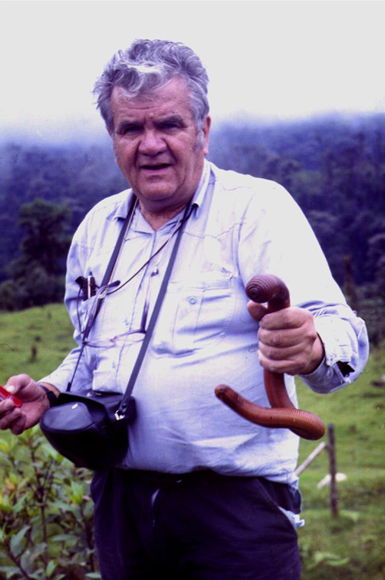
András Zicsi and Martiodrilus ischuros Zicsi, 1990 in Santa Rosa, Prov. Pichincha, Ecuador, April 1990. This deep-burrowing giant earthworm was well-known to the local people; they knew when and where it would crawl up to the surface. András Zicsi (1928-2015) was Hungarian but his mother-tongue was German. He was a researcher in the Soil Zoology Group at the Hungarian Academy of Sciences and gave courses at the Eötvös Loránd University in Budapest. In 137 papers he described 237 new species of earthworms, mostly from Europe and South America; he erected and revised numerous genera, wrote identificatin keys ... His earthworm collection – among the largest worldwide – consists of roughly 100.000 specimens and more than 800 species. His legacy is now continued by one of his students, Csaba Csuzdi, the leading European earthworm taxonomist.
Photo by: Csaba Csuzdi.
A soil ecological perspective to trophic rewilding
Walter S. Andriuzzi
Post-Doctoral Researcher
Department of Biology and School of Global Environmental Sustainability
Colorado State University

Bison were reintroduced to The Nature Conservancy’s Nachusa Grasslands in Illinois, USA to increase habitat heterogeneity in restored tallgrass prairie.
Photo Credit: Dee Hudson
We all know that our planet has become less wild. Agriculture, forestry, mining, urbanisation have all turned natural ecosystems into places often poor in biodiversity. Through hunting and fishing, whether for subsistence or sport, we have made many species rare, and others extinct. However, in some parts of the world projects have been undertaken to reverse this process and “rewild” our planet. Rewilding is the introduction of animal species that are missing from an ecosystem. Trophic rewilding means that the aim is to restore the trophic interactions in that ecosystem, that is, to return the food web to its original state by restoring populations of large herbivores and/or top predators (for instance, elk and wolves), or of species that are known to have cascading effects on the food web, such as beavers. In most cases it is a re-introduction of species that disappeared in more or less recent times because of human activities (such as hunting, habitat loss, and so on), but there are also ambitious (and controversial) proposals to introduce species that have never been in the ecosystem in question, at least not during the historical record. Individuals and organisations advocating rewilding have started to influence policy in various countries, and many ecologists are therefore devoting their careers on finding out whether rewilding works and predicting its costs and side-effects.
Given that the goal of trophic rewilding is to restore the functionality of wild habitats prior to human intervention, one would expect that its proponents strive to have an encompassing view of the ecosystems they seek to restore. Such a view would take into account the potential interactions between the (re)introduced beasts and the other species already in the system; not merely the plants that the elk eat or the small mammals and birds that the wolves may prey on, say, but also the microbes, the invertebrates, and so forth – including of course soil biodiversity. Alas, this has not been the case so far. In our invited review on soil biological responses to rewilding – part of a thematic issue on rewilding just published in the journal Philosophical Transactions of the Royal Society B – we found that soil organisms and processes have been rather tangential to the scientific debate on trophic rewilding. More precisely, there is some research on the impact of rewilding on belowground processes and properties that are directly relatable to soil fertility and plant growth (for instance nutrient content, mineralization); there is a little research that is more or less directly relevant to the impact of rewilding on some soil organisms (for instance mycorrhizal fungi, dung beetles); and there is practically no research on the impact of rewilding on most soil fauna and microbes, although some informed guesses can be made based on available knowledge of how vertebrate herbivores affect soil communities (which we discussed previously on this blog). To put it bluntly, trophic rewilding has largely forgotten about soils. We are happy to report that this has started to change, at least as can be gathered from the other contributions to the journal issue: for example, Cromsigt and co-authors explicitly consider the role of soil processes in mediating the possible impact of rewilding on climate change, and Van Klink and co-authors focus on the possible effects on the arthropods, many of which are soil or litter fauna. This being said, there is clearly a need for a great deal more research on the subject. Since soil communities are hugely important in ecosystem functioning, how can we predict the real impact of trophic rewilding if we don’t know how the soil microbes and fauna will respond?
This is particularly crucial because soil organisms will not just passively react to rewilding. Their ecological responses will feedback on the plants and large animals aboveground, and could potentially facilitate rewilding, or cancel its benefits. One specific example we discuss in our review is whether trophic rewilding in sub-arctic ecosystems will help fighting climate change. Some ecologists argue that the introduction of large herbivores in those regions will push the ecosystem to trap and store more CO2, thereby acting as a C sink. This would make trophic rewilding not only a way to restore biodiversity and wild nature, but also a tool to mitigate climate change. Other ecologists are more cautious, on the ground that there are too many uncertainties on how the ecosystem will react to rewilding. While we don’t aim at “picking sides” in this debate, our review certainly goes more in the latter direction. Firstly, knowledge on how rewilding may impact carbon cycling is still sketchy, partly because the effects on the organisms which together with plants drive carbon cycling – soil microbes and fauna – have not been studied enough. Secondly, some existing studies actually suggest that re-introducing large mammals to cold climates may lead to less carbon storage, for instance due to enhanced soil respiration and priming of soil organic matter decomposition.
On the other hand, in our review we also discuss how the responses of soil organisms could also facilitate trophic rewilding. For example, soil invertebrates that act as ecosystem engineers, such as termites, earthworms and dung beetles, help the formation of particularly fertile patches of vegetation, and this in turn influences how herbivores use the landscape and contributes to regulating their populations. We indeed suggest that, parallel to re-introducing big animals, the restoration of soil organisms, particularly keystone ones such as ecosystem engineers and mycorrhizal fungi could be an asset to rewilding projects. In short, there are both caveats and unexplored synergies which a soil-focused perspective can bring to trophic rewilding, and we hope that our critical review will push experts in the field to engage more with soil ecologists and vice versa.
If you don’t look, you’ll never find anything: Nematode biodiversity where you least expect it
Gary Phillips and Ernest C. Bernard
University of Tennessee at Knoxville
Entomology, Nematology and Plant Pathology

Narceus gordanus (yellow millipedes) – the host for Heth pivari and Coronostoma claireae. As many as 1,700 nematodes have been found in just one millipede!

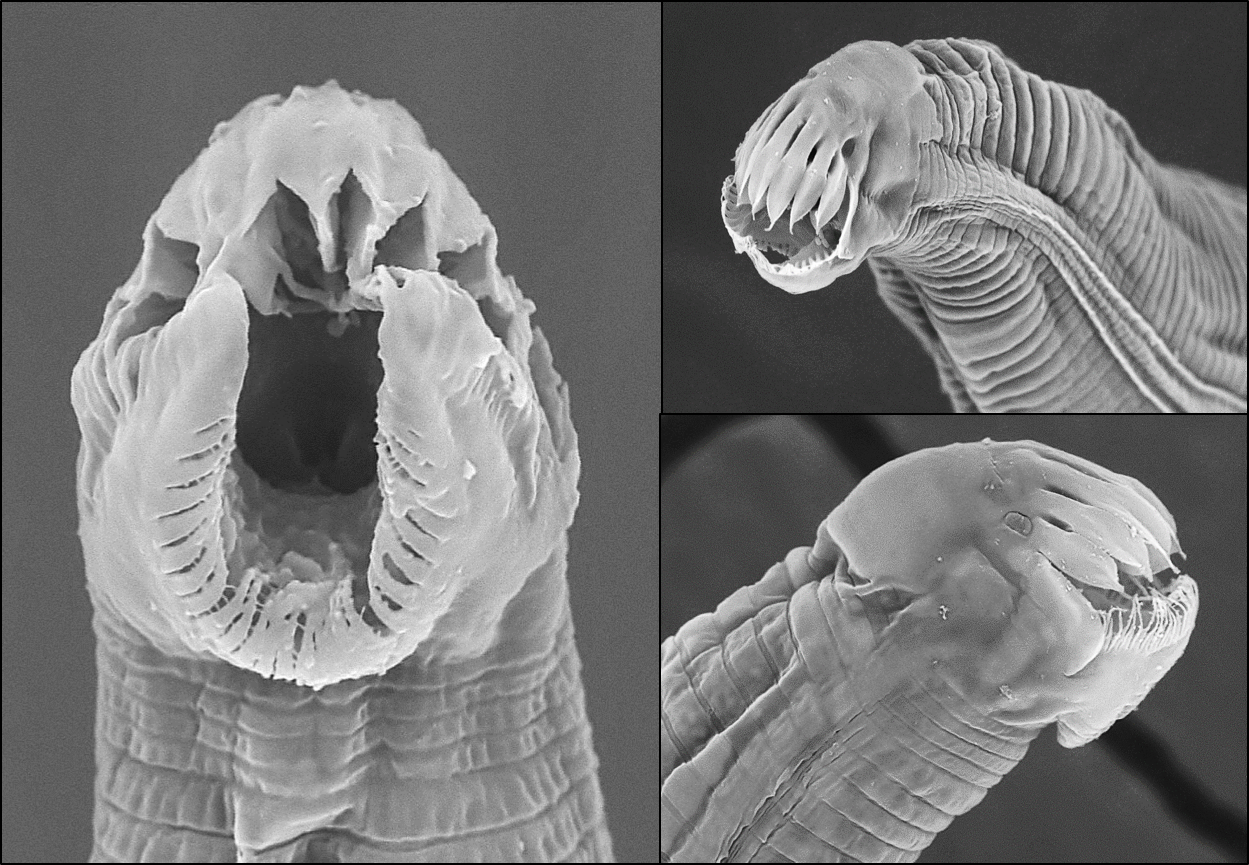
Heth pivari (male and female) – Heth females are easily identified by their cuticular ornamentation and unique head morphology.

Coronostoma claireae (a predatory nematode) – DIC image on left and SEM on right. Note the lack of a grinding valve, the muscular esophagus, very large first annule and the projecting, conical amphids.
The discovery of life that is new to science is a feeling that few will ever experience. However, if you take the time to look, new life abounds around all of us, especially in places that you would never think to look. In the late 1840s, Dr. Joseph Leidy, “the last man to know everything,” and the father of American parasitology, was the first to describe several new species of nematodes living in the hindgut of a millipede he identified as Julus marginatus (=Narceus americanus). Dr. Leidy identified a small group of nematodes that belong to the infraorders Rhigonematomorpha and Oxyuridomorpha, such as Ascaris infecta (=Rhigonema infecta), Streptostomum agile (=Aorurus agile), and Thelastomum attenuatum (=Thelsatoma attenuatum). These nematodes appear to be harmless to their millipede hosts and the diversity of life within their intestinal tracts is quite surprising.
During the past 170 years, only a few dozen researchers worldwide have conducted research on this understudied group of nematodes. Our lab is attempting to pick up where Leidy left off. Beginning in 2013, we set off to conduct a comprehensive analysis of nematodes living commensally inside the intestines of millipedes and to identify and describe the many species we expected to discover.
Our first discoveries came in 2014 when we went on a collecting trip to the Ocala National Forest in central Florida. In the early morning hours, we collected several specimens of millipedes called Narceus gordanus, one of the largest diplopods in North America. Upon dissection, we observed a nematode that neither of us recognized. After several weeks of research, we finally identified the genus of this mystery nematode as Coronostoma sp. Coronostoma spp. are unique because they are nematophagous (predators on other nematodes), not bacterivores, as are all the other nematodes living inside the guts of millipedes. Coronostoma spp. lacks a grinding valve, has a very muscular esophagus and conical, projecting amphids. Of the nearly 79,000 nematodes that we have collected during the past five years, we’ve only found 198 specimens of Coronostoma, and of the 198, only 17 were males. After two years of careful study, we named this nematode Coronostoma claireae, after Gary’s daughter, who actually found the millipede host (Phillips et al., 2016).
Coronostoma was not thought to inhabit North America, as the six known species (described between 1958 and 2014) were known only from the tropics. Since the beginning of our research, we have identified at least six undescribed species, three indigenous to temperate interior North America and three in an African diplopod.
In addition to discovering C. claireae, we found specimens of Heth, also a large genus of 49 species, all of which were described from millipedes in tropical areas. Dr. Ramon Carreno and colleagues (2013) discovered Heth mauriesi in an introduced millipede, Anadenobolus monilicornis from Key Largo, Florida, the first report of Heth north of Mexico. This nematode was first described from Martinique in A. politus. Recently we collected a distinct species (Heth pivari), again from the indigenous Florida millipede, Narceus gordanus. Heth spp. are unique in their head morphology and cuticular ornamentation and are easily recognized by their rapidly swiveling head movements.
Since our research began, we have dissected 1,175 millipedes spanning six orders, 18 families and 61 species from 21 states. We have extracted nearly 79,000 nematodes belonging to nine families and have discovered about 25 new species of nematodes. Among the more unique nematodes we’ve found is a species of the genus Golovatchinema, originally found only in a spirobolid millipede, Rhinocricus sp., from Cuba (Spirinidov, 1984). In 2017, we examined the intestinal nematofauna of an African millipede and discovered several new species of nematodes, including a second species of Golovatchinema. This nematode is unlike any other that we have seen living commensally in millipedes. The head of the third-stage juvenile resembles the parasite that popped out of the chest of the character Kane (John Hurt) in the 1979 movie Alien. The J3 head is apparently unique in the nematode world and this stage bears no resemblance to the adult.
Golovatchinema, Coronostoma, and Heth are just a few examples of the many nematodes that we have discovered in a common backyard organism. Millipedes are good host organisms for nematodes and for those that are budding nematode taxonomists, they offer numerous species to be discovered and studied. One only needs to look beyond classical nematology and examine understudied host organisms to find life where you least expect it.

Rhigonema sp. – a common nematode found in numerous species of millipedes. Photo courtesy of Dr. Jon Eisenback

Golovatchinema sp. – SEM of the 3rd stage juvenile. This juvenile stage bears no resemblance to the adults.
Carreno R.A., Ordosch, D., Koltek, J.K., Hamill, D.R., Tuhela, L. 2013. First United States records of the rhigonematid genera Heth and Ruizia (Nematoda: Rhigonematida) from the introduced millipede, Anadenobolus monilicornis (Diplopoda: Rhinocricidae) in Key Largo, Florida, U.S.A. Comparative Parasitology 80(2):225–232.
Phillips, G., Bernard, E. C., Pivar, R. J., Moulton, J. K., and Shelley, R. M. 2016. Coronostoma claireae n. sp. (Nematoda: Rhabditida: Oxyuridomorpha: Coronostomatidae) from the Indigenous Milliped Narceus gordanus
(Chamberlain, 1943) (Diplopoda: Spirobolida) in Ocala National Forest, Florida. Journal of Nematology 48(3): 159-169.
Spiridonov, S. E. 1984. New species of oxyurids from intestine of Diplopoda, Rhinocricus sp. Trudy Zoologicheskogo Instituta 126: 33-49.
The good and the bad: the contribution of predators to ecosystem services and disservices
Matthias Tschumi
and others (see below)

Agricultural production relies on a multitude of ecosystem services such as soil formation, pollination or biological pest control. Sustainable agro-ecosystems sustain a large number of organisms, such as birds, rodents, bees, beetles or earthworms that support agricultural production. Bees pollinate crops such as oilseed rape, earthworms are crucial for soil formation, whereas birds, rodents and beetles feed on weed seeds and pest insects. By removing structural elements such as hedges, trees or fallows, and due to increasing chemical inputs, modern intensive agricultural production often contributes to the loss of those organisms.
Changes in animal communities mediated by agricultural land-use may reduce the provision of ecosystem services, if beneficial species are negatively affected. In addition, species damaging crops (thus providing so called ecosystem disservices) can become disproportionally abundant in homogeneous agricultural landscapes, or species that are resilient to land-use change may switch from providing services to disservices. To design sustainable crop production systems it is thus crucial to know which organisms provide ecosystem services and which rather contribute to disservices and how the provision of services and disservices is affected by local and landscape conditions.
To investigate the contribution of different animals to ecosystem services and disservices linked to predation, the authors exposed plant seeds and invertebrate prey to predators in cereal fields in southern Sweden. By offering weed seeds and pest prey organisms that can reduce agricultural production, the authors assessed the ecosystem service potential. By simultaneously offering crop seeds and beneficial prey organisms, the authors measured the disservice potential.
The results recently published in Ecological Applications showed that seed predation was dominated by vertebrates, while vertebrates and invertebrates contributed equally to the predation of animal prey. However, there was no obvious difference in each group’s contribution to services and disservices. Predation varied substantially over time, but there was no strong influence of landscape composition on predation numbers. When looking more closely at vertebrate predators recorded by wildlife cameras, another study published in Oecologia showed that rodents were the dominant vertebrate predators for all resources. While rodents were responsible for 90% of all predation by vertebrates, birds only contributed 10%.


Birds, rodents and invertebrate predators provide important ecosystem services such as pest and weed control to farmers. However, depending on the conditions, some may also inflict damage to crops thereby contributing to ecosystem disservices. The photos show two grey partridges, a mouse and a jackdaw feeding on seeds in the experimental setup (from left to right). Pictures recorded by wildlife cameras set up by Matthias Tschumi and Cecilia Hjort.
The results underline that invertebrate, rodent and bird predators provide important ecosystem services such as weed and pest removal, but also that all animal groups can contribute to disservices. Surprisingly, birds were less important than rodents or invertebrates, highlighting the importance of soil-dwelling predators in agroecosystems. Although no clear influence of the landscape composition was found in these studies, they address an important topic for research and practice by considering positive and negative effects simultaneously. Payments for measures targeted at enhancing biodiversity and ecosystem services should account for trade-offs between ecosystem services and disservices, for instance by providing higher compensation for farmers in cases where net effects are likely to be negative.
Authors:
Matthias Tschumi was during the time of this research a postdoctoral researcher at the Biodiversity unit in the Department of Biology at Lund University, Sweden and is now working at the Swiss Ornithological Institute.
Johan Ekroos is a research scientist at the Centre for Environmental and Climate Research, at Lund University.
Cecilia Hjort was during the time of this research a master student at the Biodiversity unit in the Department of Biology at Lund University.
Henrik G. Smith is a professor of animal ecology and director of the Centre for Environmental and Climate Research at Lund University.
Klaus Birkhofer is a professor and chair of ecology at the Brandenburg University of Technology (BTU) Cottbus-Senftenberg, Germany.
Primary publications:
Tschumi, M., J. Ekroos, C. Hjort, H. G. Smith, and K. Birkhofer. 2018. Predation-mediated ecosystem services and disservices in agricultural landscapes. Ecological Applications. doi: 10.1002/eap.1799
Tschumi, M., J. Ekroos, C. Hjort, H. G. Smith, and K. Birkhofer. 2018. Rodents, not birds, dominate predation-related ecosystem services and disservices in vertebrate communities of agricultural landscapes. Oecologia. doi: 10.1007/s00442-018-4242-z
The real soil microbiomes and their roles in vegetation transformation as uncovered in the Cerrado
Dr. Stefan Geisen
Netherlands Institute of Ecology
This blog post originally appeared on the Nature Research Microbiology Community: Behind the Paper. – 06 September 2018
Soil organisms, particularly members of the soil microbiome, regulate plant performance and control plant communities. In our study, we show that the microbiome complexity increases from early successional to climax vegetation. We also found an enrichment of animal parasites and plant pathogens in early successional compared to later successional vegetation. Together, our results suggest that soil organisms, particularly plant pathogens, facilitate plant succession, while the most complex microbiomes keep plant communities in climax vegetation stable. Therefore, our results point at the importance of soil microorganisms for plant vegetation dynamics and stability.
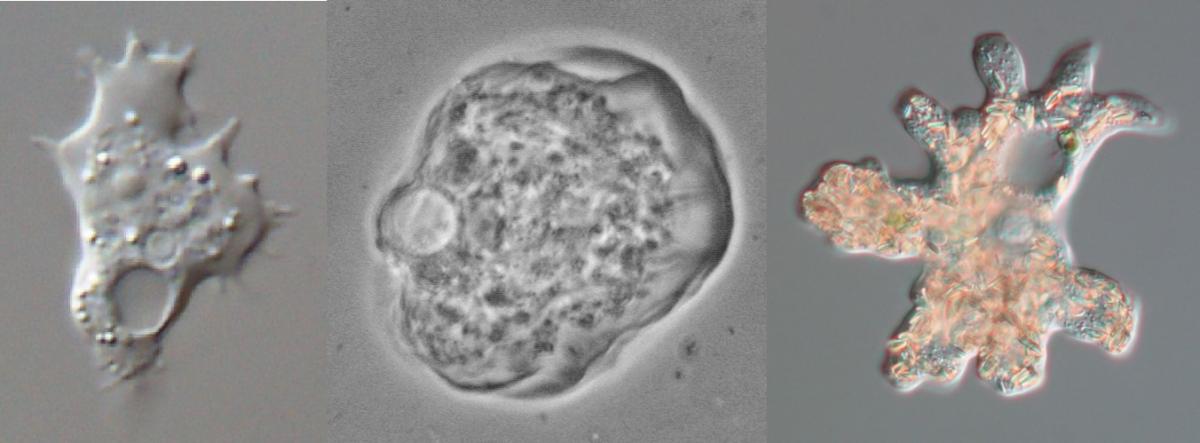
Some common soil protists, here represented by three common amoebae. From left to right Acanthamoeba sp., Thecamoeba similis and Deuteramoeba mycophaga. Pictures provided by Alexey Smirnov.
Microbiome has become a frequently used term in virtually all systems ranging from the human gut to plant rhizospheres to built environments. The term microbiome is mostly used to capture bacteria, the numerically dominant group of organisms on Earth. Yet, there are other microorganisms including eukaryotic (organisms with a nucleus) fungi and protists.
Especially protists are rarely covered in microbiome studies, despite their pivotal role as major predators of bacteria and fungi. Protists structure microbiomes, ensure microbiome activity and catalyse nutrient turnover. Moreover, there are several other functionally important protist groups including parasites (the malaria-causing agent Plasmodium, etc) and plant pathogens (oomycetes such as the causative agent of the potato blight Phytophtora, etc).
That much on theory. Soil microbiomes are of particular interest as they provide the basis for plant growth. In practice, full (soil) microbiomes including all its components have rarely been studied together and their joint role remains unknown. We here provide the first evidence that the complexity of the full microbiome might impact vegetation dynamics as shown in the Brazilian Cerrado, the biggest Savanna on Earth.
How this study evolved
The process of team assembly was…. Interesting! Field work, in which three transects comprising 4 vegetation zones ranging from grass- to tree-dominated vegetation were sampled, was performed in 2014. Few initial studies focusing on bacteria, archaea and fungi were conducted but there was more to do…. That’s when Ademir contacted me as he was interested in protists, my pet group of organisms. My interest has now expanded and I (hope to) have become much more of a real ecologist who is interested in belowground interactions and the role for plant performance – the data Ademir created and the already existing background data directly turned me on; there was a potential to to study something much bigger than just one group of organisms! Yet, the team was not complete as for the analyses we needed more sophisticated expertise and with Lucas we found the right person.

Sampling effort: Ademir (white shirt) and his team sampling in the Cerrado.
Outcomes and implications
As I could assign protist taxa into functional units we could show that parasites and pathogens are most abundant in early successional stages and therefore might contribute to vegetation turnover. Moreover, I could barely have imagined the entire microbiome data to turn out better than it did: bacteria, archaea, fungi, protists (and even small animals) increased in their links over succession. This finding was in line with a recent study published in Nature Communications focusing on most soil organism groups that also showed increased network complexity towards later successional stage vegetation after agricultural land abandonment. While our data is based on sequencing and therefore cannot provide ultimate proof about real mechanisms, microbiome complexity might in fact be important for system’s stability! This certainly should be tested in future targeted research but if true, we might have found a promising start for targeted soil manipulations to help steering plant communities!

Proposed model with pathogens accelerating vegetation turnover and microbiome complexity increasing system’s stability, leading to stable climax tree vegetation
Proposed model with pathogens accelerating vegetation turnover and microbiome complexity increasing system’s stability, leading to stable climax tree vegetation
This study also shows the benefit of international team-work including an integration of different expertise to increase the impact and extract the most out of a study; the future of science, at least in ecology, is not in single-authored Sylvester Stallone/Ironman-like approaches, but more team-driven sharing of expertises. Bigger scientific efforts need the A-Team or the Avengers!
Have a look at the paper in Communications Biology for further information!
Soil Biodiversity At The Stage
Andre Franco
Research Associate II
Colorado State University
From textbooks and TV documentaries to illustration exhibitions, clay animations and card games, the diversity of living creatures that inhabit the Earth’s soils has become an often theme in the press and arts as science continues to reveal how important these subterranean communities are for the above-ground world. Although most of the life forms found in soils still remain to be described, the fascinating discoveries made so far have been enough to drive the curiosity and attention of the broader public out of soil labs in university and research institutes. That was the case for Laura Pritchett, an author with several novels, nonfiction works and many national awards to her credit. After she watched the documentary “Symphony of the Soil”, she started having ideas and working with soil scientists on how to get people to understand the critical role that soil plays and why we must protect it. In a recent interview, Pritchett said “I really am in love with science and soil science and the things we cannot see. And I wondered what would it be like to get that on the stage -- get nematodes dancing on the stage, get bacteria singing and bring it all to life so that it’s visible to the human eye.” Such love led her to produce a small book of essays on dirt and eventually to write a play in hopes of bringing to light the science of soils in a new way.
“Dirt, A Terra Nova Expedition”, claimed as the first-ever play dealing with the topic of dirt, debuted in Fort Collins-CO April 2018. At the stage, a pregnant young scientist is left alone in a dismal underground setting, while her boyfriend has disappeared to the surface on an important mission. To maintain her sanity, she daydreams and hallucinates the history, culture and myths of the soil from creation stories to the Dust Bowl, from climate change to chemicals, from singing root microbes to dancing nematodes, from Lakota myth to future science. The play mostly had sold-out shows during the weeks it stayed on scene, meaning that hundreds of people had the opportunity to learn through the power of art that “we have six inches of dirt saving us from oblivion, and it is beautiful and complex and gorgeous!”, as stated by Pritchett. A series of “talkbacks” following the show offered an opportunity for the audience to learn more about itsunique subject matter from experts in soil and crop science, local farmers, and community-supported agriculture people.
By translating cutting-edge scientific information into dramatic scenes at the stage the play brought soils and its biodiversity literately into a new spotlight, one that reaches out to people that presumably had never appreciated the value of soils to society, and that were unlikely to come to know about it from conventional science media. Kudos to the author, director, actors, and the soil scientists who have made the discoveries that inspired the play! Let’s keep up with the good work of increasing awareness about the fascinating world Beneath our Feet!
Here you can find detailed information about the play as well as interviews with its director and playwright (including their contact info)
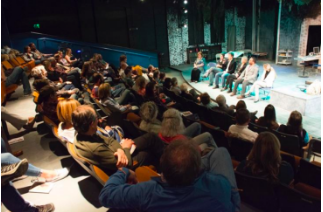
Above: A panel of soil scientists answers questions from the audience after an exhibition of “Dirt: A Terra Nova Expedition”. Photo by Kristin Pintauro.
New Book – Third Edition of Fundamentals of Soil Ecology

In the mid-1990s, after initiating a new graduate-level course at University of Georgia’s Institute of Ecology (now the Odum School of Ecology), Dave Coleman and Dac Crossley realized a need for a text book to support the information they were presenting in lectures and labs. These two drew upon their vast personal experience in soil ecological research, as well as from their deep knowledge of the literature in the various disciplines that touch soil ecology to produce the first edition of Fundamentals of Soil Ecology in 1996. The popularity of that first edition, and its adoption as a text for soil ecology courses around the world, demanded that an expanded second edition should be produced in 2004, with the addition of UGA colleague, Paul Hendrix, to the writing team.
The early 2000s saw the three authors of Fundamentals “retire” from their posts at the Odum School, but after 12 years since the publication of the 2nd Edition, there was interest from the Publisher (Academic Press, an imprint of Elsevier) in yet another revised edition. This time around, Coleman and Crossley recruited Mac Callaham (USDA Forest Service, Southern Research Station) to participate in the updating and expansion of the text. The 3rd Edition of Fundamentals of Soil Ecology appeared in early 2018.
The latest edition includes fully updated synthesis of current research in soil ecology including: studies of root production and root-associated biota, microbial ecology, and decomposition, soil organic matter formation, and soil food web processes. Much of the new material covered in these disciplines will update the reader on the results of studies seeking to understand the potential impacts of global change phenomena – an area of tremendous research activity in the past decade. As ever, the 3rd Edition maintains a strong focus on soil fauna, the biodiversity of soil organisms, and their influences on soil ecological processes. This includes presentation and discussion of our current understanding of taxonomic and systematic relationships among soil organisms, revealed through advances in molecular techniques in recent years. Further updates to the “Soil Fauna” chapter include dozens of brilliant full-color photographs of the animals in their natural habitats. Also of interest to lecturers and instructors of soil-related courses will be the greatly expanded final chapter, “Laboratory and Field Exercises in Soil Ecology,” which covers the full range of hands-on activities for students, new to the study of soil ecology.

Photo Credit Beth Gavrilles of the Odum School of Ecology, UGA
The three editions of Fundamentals of Soil Ecology trace the (now generational) development of the discipline from its early days to the present, where there are now thousands (tens of thousands?) of individuals around the globe documenting the biodiversity, biogeochemistry, interactions, and general behavior of soil ecological systems. We are currently in an exponential growth phase in the number of published studies that deal with soil ecological issues, and this is an exciting time to be a soil ecologist. In light of the sheer volume of information currently being produced, Coleman et al. may need to begin work now on the 4th Edition!

Earthworms in the National Parks
By: Mac Callaham, USDA Forest Service Southern Research Station, Georgia, USA

Photo from George Washington Memorial Parkway.
I plop down into my seat as I board the flight. I give a brief nod of greeting to my neighbor, and notice that he is (like me) of an age which might indicate that he could expect to pass the flight time in conversation, rather than totally absorbed in a liquid crystal display.
I start with a standard question, “Are you headed out, or headed home?” And we’re off!
When it’s my turn, I tell him that I’m headed out to a conference where I’ll give a presentation on my research on earthworms. I know this is a topic that will keep the conversation rolling all the way from Atlanta to New York… fortunately, we have refreshments!
It’s generally true that people are interested in earthworms, and even more so when I tell them that I study invasive earthworms. People are also quite interested – and protective – of their National Parks, so I find that I usually have an attentive audience when I talk about my work on earthworms in the Parks.
“Invasive earthworms?!?” they exclaim. “There’s more than one kind?” they gasp. Then in rapid succession: “Where do they come from? What do they do? How do you know they’re invasive?” and more. I do my best to answer them, and eventually get around to describing the work that my colleagues and I have been doing at the Great Smoky Mountains National Park (GSMNP) in Tennessee, and the George Washington Memorial Parkway (GWMP) in Virginia and Washington, DC.
In the GSMNP it’s an introduced Asian worm that’s moving into the Park from the edges. This worm is one that’s sold as bait, and goes by the trade name of “Alabama Jumper.” It’s aptly named, because (although not technically from Alabama) they definitely jump. When molested these worms can flip and twist and throw themselves up off the ground, sometimes catching several inches of air in the process. This species is a cause for concern because where it becomes established, it can reach very high densities, and it consumes much of the fallen leaves on the forest floor. These leaves are habitat for lots of other invertebrates, as well as some larger animals like salamanders. It’s no surprise that the GSMNP is considered a hotspot of biodiversity for forest floor creatures like millipedes and salamanders considering the rugged, inaccessible terrain, the lush vegetation, and the warm and wet conditions that predominate. On the other hand, it is a bit surprising, and alarming that one introduced earthworm species can outcompete these other forest floor dwellers, and impact their numbers and diversity, but this is exactly what our team has documented in recent years.
At the George Washington Memorial Parkway (GWMP) in Washington DC, we sampled earthworms and other soil invertebrates to help catalog the existing biodiversity of the Parkway and its constituent Parks (including Great Falls NP). We were also interested in whether the past history of human uses of the land could be detected in the soil animal community. There’s evidence that major disturbances can contribute to the establishment of non-native earthworm species, and the GWMP provided a great opportunity to examine this relationship with well documented history of soil disturbances ranging from the canal-building activities at Great Falls Park in the 1780s, through the Civil War entrenchments, and on into contemporary disturbances. We’ve uncovered good news and bad news with this work. On the one hand we’ve found what we believe to be an undescribed native species of millipede at one of the GWMP network parks (Turkey Run Park), but on the other hand, we found several individuals of a European earthworm species that has never been reported in North America before our sampling.

Alabama Jumper.
Photo © Susan Day / UW Madison Arboretum
All this brings up a couple of important points. First, we still don’t seem to have a good handle on the species diversity that we have native to the soils of North America, and second, there are new species introductions happening all the time, and we don’t have a good handle on what these introductions will mean for the native species. Will this latest introduced species become invasive? Will it choke out some native species, or otherwise decrease our native biodiversity? Is there any way to control these invasive species?
Out the window, our flight from Atlanta to New York has skirted the eastern slope of the Smoky Mountains, and passed within sight of the National Mall in DC. My new friend leans over and looks down on these landscapes. He is reflective.
“Wow, there’s a lot going on down there that I never thought about before…”
I nod knowingly. I tell him that few people ever really think about what’s going on right under their feet, but I tell him that now he’s one of the lucky ones.
Understanding the evolution of the mycorrhizal symbioses: a matter of phylogenetics or paleontology?
César Marín
PhD candidate
Evolutionary and Environmental Science Institute
Austral University of Chile
Coordinator of the South American Mycorrhizal Research Network
This is Part 4 of a blog series from the South American Mycorrhizal Reserach Network. Read Part 1, Part 2, and Part 3.
A mycorrhiza, from the greek mýkēs (“fungus”) and rhiza (“roots”), i.e. “fungus roots”, is the symbiotic association between a fungus and the roots of vascular plants that serve as hosts. In this remarkable symbioses, the fungus receives carbon from the plant in the form of carbohydrates as glucose and sucrose, and -as recently described- in the form of fatty acids (Jiang et al. 2017; Keymer et al. 2017; Luginbuehl et al. 2017). Through its hyphae (long branching filamentous vegetative structure of a fungus, “fungus roots”), which are way longer and finer than root hairs, the fungus explores a significantly bigger soil volume than the roots, transferring to the plant host, water and nutrients such as nitrogen, phosphorous, calcium, magnesium, potassium, iron, among others. Usually these nutrients are not chemically or spatially available for the plant hosts. Mycorrhizal fungus can form extensive networks which connect and communicate plants and trees from the same and different species. How has this crucial symbiosis evolved? Two recent New Phytologist papers by Brundrett and Tedersoo (2018) and by Strullu-Derrien et al. (2018) present complementing insights, from a phylogenetic and a paleontologic approach, respectively, on this issue.
First, to identify how the mycorrhizal symbioses has evolved, Brundrett and Tedersoo (2018) identified precisely how many types of mycorrhiza exist, which is not a trivial task. They delimit four mycorrhizal types: arbuscular mycorrhiza (AM), ectomycorrhizas (EcM), ericoid mycorrhizas (ErM), and orchid mycorrhizas (OrM). Briefly, EcM fungi are the ones forming mushrooms or fruiting bodies, while the other mycorrhizal types do not form fruiting bodies and are found just below the soil surface. While AM and EcM symbioses are mostly obligatory and the carbon energy and water benefits to the plant are clear, ErM and OrM symbioses are obligatory but the benefits to the fungus are not so clear. ErM are restricted to the Ericaceae and Diapensiaceae (Ericales) plant families; OrM are restricted to Orchidaceae family; AM is present in multiple vascular plants and bryophytes lineages, but many plants within these lineages have switched which type of mycorrhizal fungi they associate with over time; finally, EcM are present in two Gymnosperms and 28 Angiosperms lineages, and some plants within these lineages have shifted to AM or to non-mycorrhizal states.

Figure 2 of Strullu-Derrien et al. (2018). Fossil (c. 407 million years) of the Rhynie plant Horneophyton lignieri. Left: plant (5-10 cm height) habitat. Right: ‘Paramycorrhizas’ (mycorrhizal-like) structures such as hyphae, vesicles, arbuscules, and spores from different fungal phyla (Glomeromycotina and Mucoromycotina). Figure reproduced with permission of the authors and New Phytologist.
At a global scale, most plant communities are dominated by mycorrhized plants, but some patterns are shown by Brundrett and Tedersoo (2018): AM plants dominated all ecosystem types in the world, EcM plants are very rare or absent in tropical areas, whereas non-mycorrhizal plants are more common and diverse in degraded, arid, arctic, and alpine zones. As mentioned before, plant lineages commonly include members that have switched from AM or EcM to other mycorrhizal types, so Brundrett and Tedersoo (2018) coupled a literature review spanning 135 years and phylogenetic analysis of recently published large-scale plant phylogenies, to show the evolutionary history and host-plant abundance of the different mycorrhizal types. Regarding the evolutionary history, they identified three waves of mycorrhizal colonization. The first wave started > 450 million years ago, with AM fungi colonizing early land plants (or allowing colonization of land by plants, as suggested by Pirozynski and Malloch, 1975). The second wave started with the Cretaceous some 145.5 million years ago with the appearance of the EcM-associated Pinaceae, which come to mainly constitute extensive forested areas in the world, in this second wave also appeared the ErM (Ericaceae and Diapensiaceae) and OrM (Orchidaceae) associated plant families, as well as several non-mycorrhized plant families, and although most plant families had a single mycorrhizal type, changes to another are starting to appear in plant families previously associated with AM fungi. Finally, a third wave of mycorrhizal colonization started at the Paleogene (c. 65 million years ago), with the diversification and appearance of more families with different mycorrhizal types within each family (both families previously only AM or EcM). Finally, and using the phylogenetic methods described above, Brundrett and Tedersoo (2018) conclude that 72.0% of vascular plants species are AM, 2.0% are EcM, 1.5% are ErM, 10% are OrM, just 8% are non-mycorrhizal, and 7% of vascular plant species can be either AM or non-mycorrhizal.

Figure 1 of Strullu-Derrien et al. (2018) showing the appearance of genomic traits related to mycorrhizal evolution (left)and the oldest known fossils (right). The asterisk represents the Rhynie chert. AM, arbuscular mycorrhizas; CAZymes, Carbohydrate-Active enZYmes; CMm, coil-forming mycorrhizas in Mucoromycotina; MiSSPs, mycorrhizainduced small secreted proteins; PCWDEs, plant cell wall-degrading enzymes. Figure reproduced with permission of the authors and New Phytologist.
Contrasting with Brundrett and Tedersoo (2018), Strullu-Derrien et al. (2018) used a paleontological approach, based on fossil evidence, to produce a model of mycorrhizal evolution. In this model, they included genomic traits related to mycorrhizal evolution based on molecular clocks estimates, and reported in published literature. This model is shown in the image to the right.
What is the difference between this model and the one of Brundrett and Tedersoo (2018)? Simply put, Brundrett and Tedersoo (2018) propose the starting point of mycorrhizal colonization waves very close in time to the origin of the plant hosts: first land plants spores appeared c. 460 million years ago, and the first wave of arbuscular mycorrhizal (AM) fungi colonization started <450 million years ago; Pinaceae plants appeared c. 150 million years ago, and the appearance of ectomycorrhizal (EcM) fungi is assumed shortly after, c. 145.5 million years ago. In contrast, Strullu-Derrien et al. (2018) put the origin of AM colonization with the appearance of their fossils, c. 407 million years ago, the oldest known fossils of EcM symbiosis c. 52 million years ago. Those are differences of approximately 43 and 93.5 million years, respectively!
Can we assume that because no fossil have been founded, plants survived the Earth some 53 million years without mycorrhizas? Or do we assume – as Brundrett and Tedersoo, (2018) – that it was not such a long time (just 10 million years)? In the other hand, currently the plants of Pinaceae are highly interdependent and host a great diversity of EcM fungi, do we assume that these plants survived without their fungal symbionts for 98 million years because we do not have earlier fossil evidence? Strullu-Derrien et al. (2018) highlight that due to exceptional geological requirments, it is difficult to find earlier EcM well-conserved fossils, and state that the first EcM may have evolved way earlier, somewhere between the origin and diversification of Pinaceae. These questions are not trivial and easy to answer. Although the use of ‘omics’ data to construct mycorrhizal evolution models has been very useful, there are still some caveats with this techniques, as a strongly biased sampling towards some plant groups and the northern hemisphere (Bueno et al. 2017), incorrect assignment of the mycorrhizal type in published publications (as reported by Brundrett and Tedersoo, 2018), a non-clear evolutionary history of some fungal groups, and scarce fossil sources to calibrate phylogenetic trees. Precisely, and from the paleontological point of view, this scarcity is also an issue discussed by Strullu-Derrien et al. (2018), which indicate that mycorrhizas need exceptional geological conditions to be fossilized, although some hints are given by the authors. Besides, they indicate that once a fossil fungus is found inside a fossil root, this does not necessarily mean its forming a mycorrhiza. An additional problem with the mycorrhizal record, also seems to be a geographical bias.
A possible solution to this contrasting -yet complementing- clash of approaches may be to relate mycorrhizal evolution to the Earth geochemical history. As Strullu-Derrien et al. (2018) putted “Mycorrhizas are not just passive responders to the environment; they are also active agents of environmental change”. An example of this is given in the image below.

Figure 3 of Strullu-Derrien et al. (2018) showing the evolution of the endomycorrhizal symbioses during the Palaeozoic, and its relation with CO2 and O2 atmospheric concentrations. AM, arbuscular mycorrhizas; CMm, coil-forming mycorrhizas in Mucoromycotina. Figure reproduced with permission of the authors and New Phytologist.