

Blog Archive:
Beneath Our Feet
Soil biodiversity and a sustainable future
dr. Elizabeth bach
Ecosystem Restoration Scientists, The Nature Conservancy

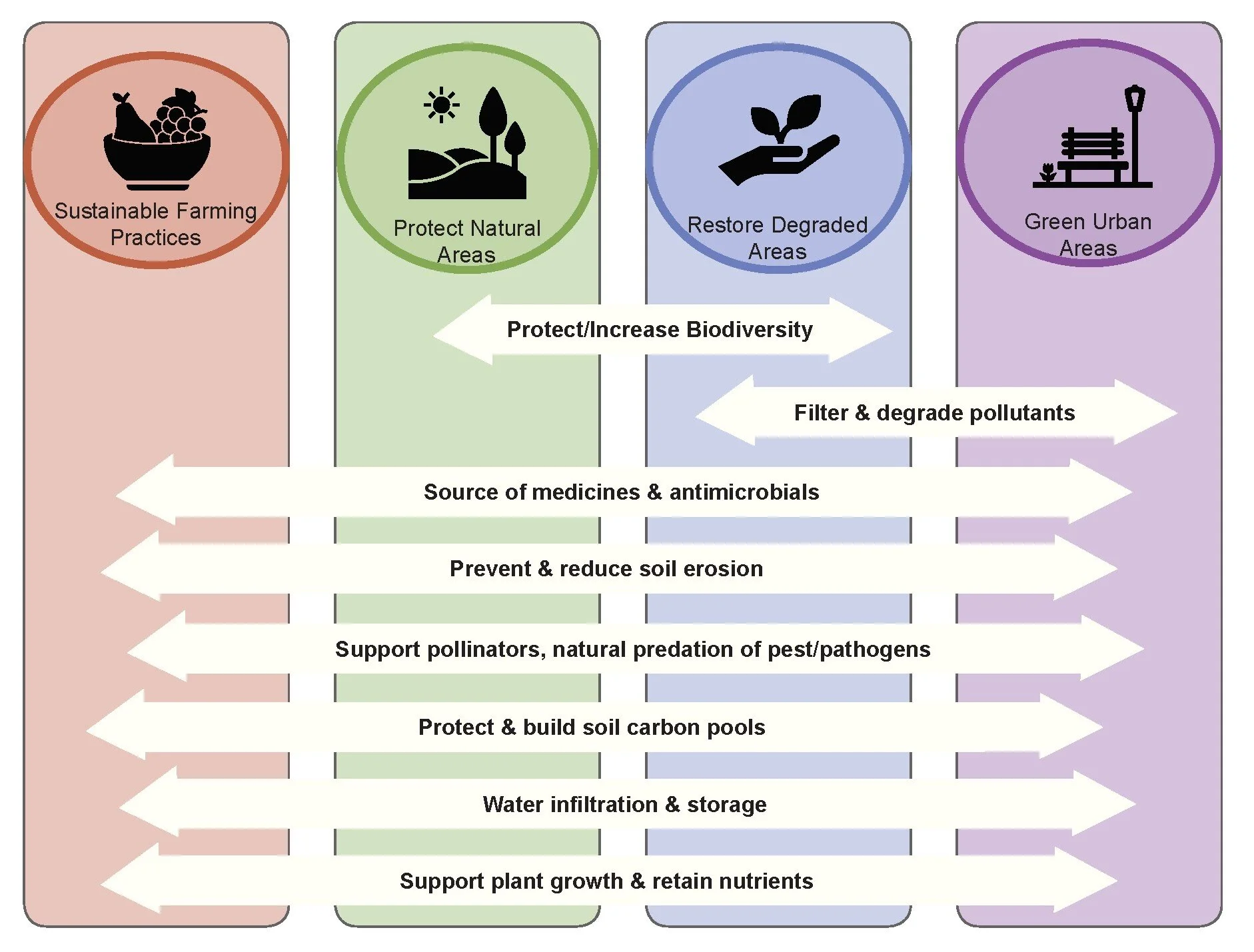
Figure 1. Soil organisms that support ecosystem services and sustainability goals (originally published in Bach et al., 2020).
Humanity is transforming our world in unprecedented ways, including ways that are likely to impact humanity’s ability to thrive in the future. Recognition of the need to sustain life on Earth, both human and non-human, has led to global agreements to guide actions now for a better future. These agreements include the Sustainable Development Goals, adopted by member nations of the United Nations (UN) in 2015, and an emerging Biodiversity Strategic Plan for 2030 to carry forward the UN Convention on Biodiversity’s strategic plan for 2020. These agendas show tremendous promise and bring much needed attention to multiple issues to ensure a healthy planet and healthy people for generations to come. In order to make progress toward these ambitious, perhaps even grandiose, plans, it is important to look for opportunities to advance multiple goals and targets simultaneously. Soil biodiversity supports many aspects of these agendas, and yet is largely overlooked in efforts to meet these goals.
Soil is home to more than 25% of global biodiversity and supports essentially all terrestrial life, including people, and contributes to healthy aquatic systems (Figure 1). Soil organisms support human health and well-being through crop and livestock production, regulation of pests and disease, and underpins human communities, economies, and cultures. Life on land relies on soil biodiversity for nutrient cycling, supporting plant growth, and as an integrated part of food webs. Activities of soil organisms reduce nutrient-loading and pollutants in water as well as open pore spaces, which impact water infiltration. Soil biodiversity plays a critical role in climate regulation, cycling carbon assimilated by plants into soil and/or respiring it back to the atmosphere as carbon dioxide. In short, soil biodiversity is essential to almost all aspects of sustained biodiversity and humanity.
How can we protect soil biodiversity and support it s functioning (Figure 2)? Four broad actions are:

Figure 2. Actions that promote soil biodiversity and ecosystem services (originally published in Bach et al., 2020).
Protecting natural areas
Restoring degraded areas
Adopting sustainable farming practices
Supporting green urban areas
Protecting soil biodiversity where it already exists is important to maintain biological diversity, climate regulating activities, and hydrological regimes. Much of the earth has been directly impacted by human land use, and where appropriate, ecosystem restoration can improve biodiversity and functioning, both belowground and aboveground. For humanity to persist, we need areas dedicated to agricultural production, and there are ways to work with soil biodiversity to support crop and livestock production and gain ecological functions like water infiltration and storage, climate regulation, and natural pest control. Sustainable farming practices vary widely across crops, cultures, and geography and many traditional and indigenous agricultural practices already leverage soil organisms. Increasingly, people live in urban areas, and soil biodiversity can be an important part of healthy cities and towns. Urban areas can be home to diverse microbial and invertebrate communities, and infrastructure decisions such as green space allocation, rain gardens and rooftop gardens with native plant communities, and reduction of urban sprawl can enhance services provided by soil organisms.
Knowledge and appreciation of soil biodiversity has grown tremendously in the past decade. The Global Soil Biodiversity Initiative has become a home network to bring scientists together and bring soil biodiversity into the global political realm. As part of the upcoming reiteration of the Biodiversity Strategic Plan, the UN Food and Agriculture Organization produced the first Global Assessment of Soil Biodiversity, coordinated by lead editor, and former GSBI Executive Director, Kelly Ramirez. This document will be shared with the UN Convention on Biological Diversity, in hopes that soil biodiversity will gain recognition in the global strategy to protect and embrace biological diversity.
Read more about this topic in the new review article from former GSBI leaders Elizabeth Bach, Tandra Fraser, and Kelly Ramirez, and GSBI Scientific Director, Diana Wall:
Bach, E. M., K. S. Ramirez, T. D. Fraser, and D. H. Wall. 2020. Soil Biodiversity Integrates Solutions for a Sustainable Future. Sustainability 12:2662. doi: 10.3390/su12072662
The microbial community of Mt Kilimanjaro’s vanishing icefields
Lara Vimercati
PhD Candidate, Department of Ecology and Evolutionary Biology, University of Colorado at Boulder
Ylenia Vimercati
Department of Ecology and Evolutionary Biology, University of Colorado at Boulder

Mount Kilimanjaro, the tallest free-standing mountain on Earth located on the Kenya-Tanzania border, is well known for its collapsed summit forming the Reusch crater, and its permanent plateau glaciers. But, is this “island of the cryosphere” going to last long? In recent years Mt Kilimanjaro has become an “icon” of climate change due to its dramatic ice loss that has attracted much attention among scientists, especially microbiologists, who are concerned about the fate of biological communities surviving in this harsh environment. Mt Kilimanjaro seems to be of interest to astrobiologists too for its extreme environmental conditions considered as potential analogues for habitable zones on Mars.
85% of the ice cover has already disappeared and an increase of incoming radiation and a severe drop in atmospheric moisture are posing a threat to Mt Kilimanjaro glaciers and its unique microbial community that may be lost forever along with the information it stores on climatic and environmental changes through time.

Up to now there have been no investigations published on the high-elevation microbial diversity of the habitats at the top of Mt Kilimanjaro and on how these communities are responding to climate change drivers. This makes it extremely important and urgent to study the microbiology of the glaciers at the top of the mountain.
In the cutting-edge study published on Scientific Reports in 2019 by Vimercati et.al., scientists describe the diversity of soil and ice-dwelling microbes near the summit of Mt Kilimanjaro. Field collections took place in 2012 at the border of the tabular-shaped plateau glacier in the Southern Icefield at 5772m elevation.
Surprisingly, ice and periglacial soils contain rich and diverse assemblages of Bacteria and Eukarya, probably indicating high rates of dispersal to the top of the mountain and/or that the habitat is more conducive to microbial life than previously expected. As for Bacteria, richness was high for both soil and ice communities and the high diversity encountered in the samples can be explained by glaciers supporting active microbes that gain nutrients from the atmosphere. According to the study aeolian transportation seems crucial in the assembly of bacterial communities on Mt Kilimanjaro.

Results from the community composition analysis revealed that Bacterial OTUs from soil and ice were dominated by Betaproteobacteria, especially members of the Comamonadaceae family. Scientists classified bacterial phylotypes into “endemic” and “non-endemic” and found that most bacterial communities within the second category were cosmopolitan. Within the Bacteria the dominant Polaromonas clade was selected to test its biogeographical distribution and analysis revealed that spatial structuring was not evident, supporting the contention that Polaromanas phylotypes are globally distributed within all glacial habitats.
According to the study these Betaproteobacteria may use multiple aeolian deposited carbon sources making wind transportation fundamental for the assembly of bacterial communities. It is still unclear whether Polaromonas are indigenous to ice or they are transients from the upper atmosphere; they may be being constantly deposited in glacial systems, but not necessarily growing there.
As for Eukarya, phylogenetic analysis showed that ice communities were dominated by Cercozoa, while in soil they were the most abundant taxonomic group together with Chlorophyta. Within the Cercozoa, scientists observed that most sequences fell within the Trinematidae and the Vampirellida orders. Sequencing analysis of Vampirellida revealed that they are different from any other taxa in Genbank suggesting that this is a unique Vampirellida community with a high endemicity on Mt. Kilimanjaro probably associated with the fumarolic activity of the summit. Observations showed that they were more abundant in ice samples compared to soil samples indicating that those in soil may have come from the ice. Testate amoebae abundance within the Cercozoa was high and it is probably sustained by feeding on fungi and algae in addition to bactivory.

This study is a first step towards gaining information on the global dispersal of microbial phylotypes at high elevation sites in Africa. Despite the isolation of Mt Kilimanjaro from any other mountain, the summit represents an oasis where microbes in the upper atmosphere thrive. Microbes can disperse over long distances, but they require specific adaptations to survive in high-elevation icy environments. Scientists state that more work is needed to determine if these organisms can actually grow on Kilimanjaro or they are just transient wind-dispersed microorganisms.
Microbial diversity was higher than expected compared to other high volcanoes in drier regions. Bacterial community richness and diversity was significantly high, and the presence of cosmopolitan bacteria suggests that the effect of distance is overwhelmed by continuous aeolian dispersal.
As Mt Kilimanjaro’s icecaps continue to vanish undisturbed, understanding the biodiversity and function of the organisms that live in the glacial and periglacial soils of the summit is extremely important and requires our attention. These ecosystems may soon disappear along with its biodiversity and pool of genes adapted to these extreme environments. The study of these life forms may also provide us a model for viable habitats for life on Mars where similar conditions may have existed or still exist.
Not all soil carbon is created equal: The key thing soil carbon initiatives are missing
Dr. Jocelyn lavallee
Postdoctoral Fellow, Colorado State University

Soil sampling in the field. Reliable soil carbon data requires a consistent soil sampling scheme, often done by depth increment (e.g. 0-20 cm). After soil cores have been separated into different depth increments, POM and MAOM separation are performed on each one.
Soil is increasingly in the news. Maybe you’ve seen or heard something like this recently: “soils can help to fight climate change”, “healthy soils support healthy crops”, or “dirt can save the earth”. But what is it about soil that warrants all this attention? It stores carbon.
Soil carbon is receiving a huge amount of interest from many sides – everyone from farmers to policy makers to industry leaders – because it presents an opportunity to mitigate climate change and provide food security for our rapidly growing population. But not all soil carbon is equal. There are two distinct types of soil carbon, and we can’t manage soil carbon effectively without understanding and considering both of them.
But first, what is soil carbon and why is it so useful to us? Soils are mixtures of inorganic mineral particles – sand, silt and clay – and organic matter that comes from breakdown of plants and animals. Typically, that organic matter makes up less than 10% of a soil by weight, but it is hugely important. Soil organic matter improves soil in many ways: it gives soil its structure (think of how soils are usually chunky and aggregated, unlike a pile of sand with no organic matter), it holds water so that plants can take it up, it contains nutrients that plants can use to grow, and performs lots of other helpful functions. Soil organic matter also contains carbon, and building soil organic matter takes carbon out of the atmosphere, decreasing atmospheric greenhouse gas concentrations. So, soil organic matter and the carbon it contains improves soil health, plant growth, and helps to fight climate change.

After soils are collected from the field, roots are removed before further processing. Photo credit: Samantha Mosier.
Soil carbon represents a pretty big win-win when it comes to agriculture, which is why so many people are interested in it. Initiatives such as ‘4 per mille’ and Terraton aim to sequester huge amounts of carbon in soils. The recent 2018 US Farm Bill, for the very first time, includes provisions that incentivize farmers to adopt agricultural practices aimed at improving soil health and sequestering soil carbon. These initiatives and incentives are incredible steps in the right direction, but they are all missing a huge point: not all soil carbon is equal.
What soil scientists have known for a long time, but have failed to communicate to the public, is that there are different types of soil organic matter, and hence, soil carbon. These behave differently and ultimately have very different impacts on plant growth, soil structure, and carbon sequestration. While there is a lot of complexity when it comes to soil organic matter that can quickly become confusing, there is one clear contrast that exists and (in our opinion) should be the underlying framework for soil organic matter management. This is the contrast between particulate organic matter (POM) and mineral-associated organic matter (MAOM).

Michelle separating POM from MAOM in the lab. Photo credit: Rebecca Even.
POM is the stuff you can generally see; it contains partially decomposed plant material and organic fragments. MAOM, on the other hand, is found as microscopic coatings on soil particles and is made mostly of the bodies and byproducts of teeny, tiny bacteria and fungi. Since MAOM is stuck to soil particles, it tends to stay in the soil for a lot longer, whereas POM is vulnerable to decomposition by soil microbiota and gets broken down much faster. Microbiota (bacteria and fungi) are constantly decomposing soil organic matter, taking some of it in to build their bodies and releasing some of it as carbon dioxide to the atmosphere. POM is also more vulnerable to agricultural practices that disturb the soil, such as tillage. So, POM isn’t as good of a means to sequester carbon in soil for the long-term as MAOM.
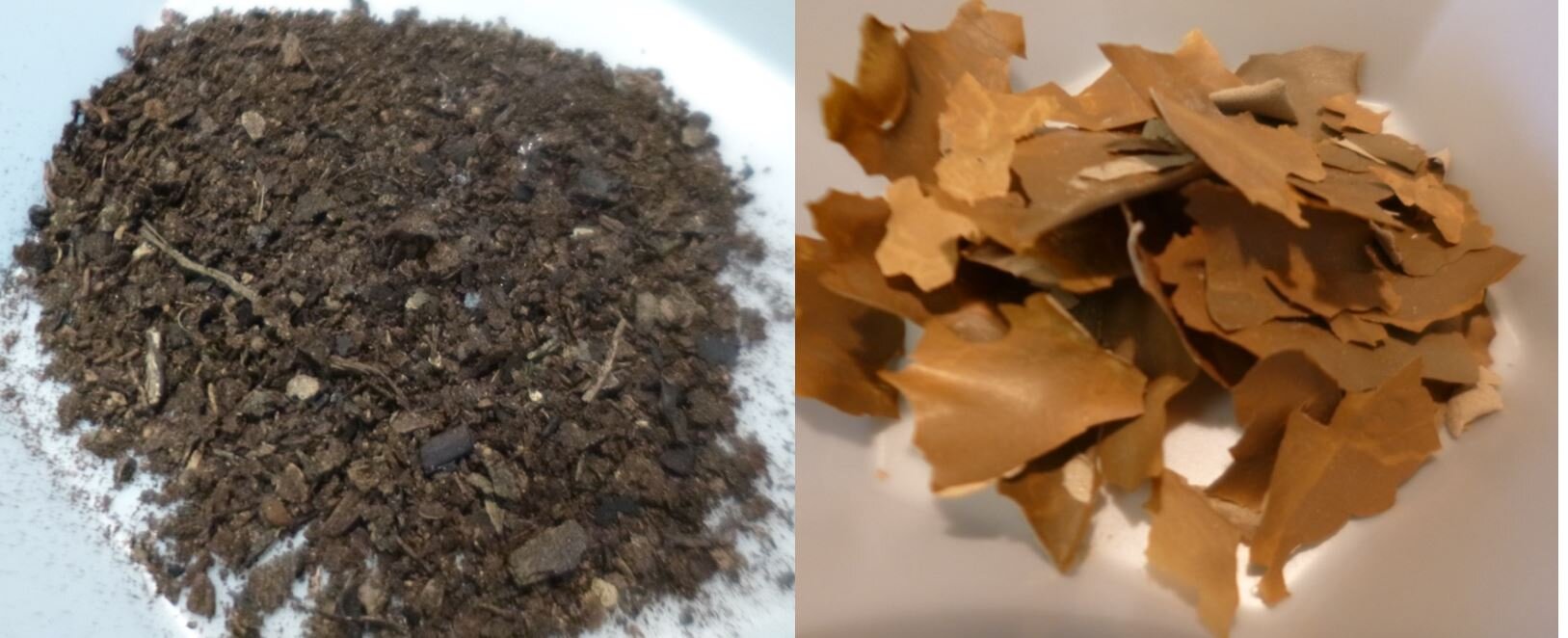
What POM (left) and MAOM (right) look like after they’ve been separated from each other. Photo credits: Michelle Haddix.
Lots of agricultural practices to increase soil carbon might inadvertently focus on POM more than MAOM. For example, adding corn stover, which tends to turn into POM more than MAOM. The result may be higher soil carbon in the short-term, but if that field gets tilled the next year, most of that POM could decompose and the previous year’s soil carbon sequestration would be quickly reversed.
But POM isn’t useless! Because it’s available to plants and microbes and cycles quickly, it can be a very useful source of nutrients in soils. Practices that focus on producing high-quality POM with lots of nutrients can help boost crop productivity. Planting legumes and adding that plant material to the soil one possible way. The key to managing POM and MAOM is knowing which will help achieve specific goals in a given situation, and what practices will favor one or the other. Some practices might increase both POM and MAOM, providing multiple benefits at once.
Talking and thinking about soil organic matter and soil carbon as a single entity ignores the fundamental differences between POM and MAOM, and could lead us down the wrong management paths. If we really want to sequester soil carbon for the long term, and improve soil health and crop yields, we need to understand how POM and MAOM work, how our practices affect them, and how we can balance the two to meet our climate and food security needs.
For more details on POM and MAOM, see our recent opinion paper in Global Change Biology.

Scanning electron microscope images of POM and MAOM, with close-ups of plant structures in POM and soil mineral clusters in MAOM.
The Forensic Science Toolbox: Examining Changes in Soil Biodiversity
Lois Stacy Taylor
National Institute of Justice Graduate Research Fellow in STEM
PhD Candidate, University of Tennessee, Department of Soil Science
Jennifer DeBruyn, PhD
University of Tennessee, Department of Soil Science
Ernest Bernard, PhD
University of Tennessee, Department of Entomology and Plant Pathology


Dead animals, or carrion, are an undeniable part of every ecosystem. Carcasses are a source of high-quality food for scavengers and insects, and as they decompose, they create local patches of nutrient–rich “hotspots” within the soil that are areas of increased microbial activity. These patches help create heterogeneity in the landscape, providing more niches and habitats for organisms, and ultimately contribute to biodiversity in an ecosystem. Vertebrate decomposition research, or taphonomy, also has an important place in the medico-legal field of forensic science. In forensic taphonomy, the focus is on documenting the manner and progression of human decomposition, usually with the specific intent of estimating time since death, or the post-mortem interval (PMI). The biological changes associated with carrion ecology are turned into tools designed to associate particular windows of time with the chemical and biological changes that occur during decomposition progression. Forensic entomology, which uses the development of fly larvae in a decomposing body to mark the passage of time, has been successfully applied to estimate PMI in numerous cases. Following that concept, forensic scientists have begun to investigate chemical and biological changes during decomposition as potential markers for PMI.1-3 Researchers have begun to explore the contributions of soil biota—particularly those from nematodes for this type of study, especially given their partitioned food requirements and reproductive characteristics!4
Unfortunately, forensic taphonomy studies can be notoriously tricky to perform. Decomposition is a dynamic process, dependent upon an array of environmental variables: temperature, rainfall, soil type, topography, humidity, scavenging, seasonality, ground cover, and in some cases clothing constraints. Under ideal circumstances, human decomposition studies require using human subjects, because humans decompose slightly differently compared to other vertebrates.5 On the other hand, there are challenges in using human donors: human physical variability and composition is quite considerable, not to mention the rather complex medical histories and pharmaceutical uses that are likely to impact decomposition. In addition, access to human donors is a challenge: there are only few facilities in the world that can perform human decomposition research. As a result, animals (carrion) have often been used as human proxies in order to provide good statistical power, and they are frequently employed in proof-of-concept studies.
Our study, funded by the Department of Justice, was designed to look at the long-term temporal impacts of decomposition and its derived products upon soil chemistry and biota. This study consisted of two parts. The first was a one-year-long proof-of-concept experiment examining nematode successional patterns and identifying possible indicator taxa found in soil during animal decomposition (we used beaver carcasses!). This was followed by a pair of human decomposition experiments performed at the University of Tennessee Anthropology Research Facility, each of which lasted a year in duration, and took a high-resolution look at the complex interactions between soil biogeochemistry, microbial ecology (with a focus on mycology), and nematode ecology under conditions that would explore the seasonal differences between both progression sequences.

Our animal study showed that a very distinct change in nematode communities occurred in both surface and deeper soil layers. We identified key taxa at the genus level that might be important in gauging the progression of decomposition through time. We also discovered that after one year, nematode communities had largely returned to their original state. This project has also contributed to our understanding of nematode biology: for many taxa, life histories and environmental sensitivities are not well known and we have been able to show which taxa are most resilient and most sensitive to environmental disturbance.
Our human study yielded slightly different results. We saw that seasonality exerts considerable influence over the temporal progression and patterns associated with decomposition. We also found, much to our surprise, that soils and soil biodiversity remained strongly impacted well after a years’ time. The successional patterns in nematode communities we observed have been extremely useful in cross-informing results from biogeochemical and microbial data, as well as suggesting new environmental factors that might play a role in decomposition. This holds great potential for refining and creating PMI models. You can read more about this experiment here.
References:
1. Keenan, S. W., A. L. Emmons, L. S. Taylor, G. Phillips, A. R. Mason, A. Z. Mundorff, E. C. Bernard, J. Davoren and J. M. DeBruyn (2018). "Spatial impacts of a multi-individual grave on microbial and microfaunal communities and soil biogeochemistry." PloS one 13(12): e0208845-e0208845.
2. Cobaugh, K. L., S. M. Schaeffer and J. M. DeBruyn (2015). "Functional and Structural Succession of Soil Microbial Communities below Decomposing Human Cadavers." Plos One 10(6): 20.
3. Keenan, S. W., S. M. Schaeffer, V. L. Jin and J. M. DeBruyn (2018). "Mortality hotspots: Nitrogen cycling in forest soils during vertebrate decomposition." Soil Biology & Biochemistry 121: 165-176.
4. Szelecz, I., F. Sorge, C. V. W. Seppey, M. Mulot, H. Steel, R. Neilson, B. S. Griffiths, J. Amendt and E. A. D. Mitchell (2016). "Effects of decomposing cadavers on soil nematode communities over a one-year period." Soil Biology and Biochemistry 103: 405-416.
5. Dautartas, A., M. W. Kenyhercz, G. M. Vidoli, L. M. Jantz, A. Mundorff and D. W. Steadman (2018). "Differential Decomposition Among Pig, Rabbit, and Human Remains." Journal of Forensic Sciences 63(6): 1673-1683.
Soil Biodiversity in the Anthropocene
Dr. Stefan Geisen
Researcher, Netherlands Institute of Ecology

The authors of the publication (Left to Right, Dr. Wim van der Putten, Dr. Diana H. Wall, and Dr. Stefan Geisen)
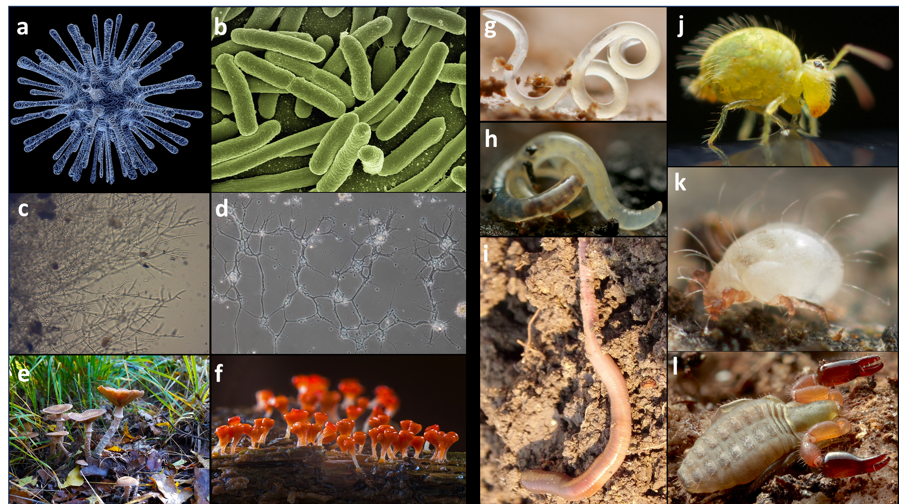
As introduced previously, soil biodiversity is crucial for soil functioning and, as such, for life on our planet. This remains unclear to many of us, for people other than soil biodiversity experts. We need to change this perception as changes in climate and soil management have a direct impact not only on aboveground macroscopic plant and animal life but also on soil biodiversity that is often invisible to the naked eye. Anthropogenic changes can be abrupt and might threaten soil biodiversity. Yet, we often don’t know how soil biodiversity is affected because we are only beginning to increase our understanding of the immense biodiversity living in soils. Together with Diana Wall and Wim van der Putten, we wrote an article to highlight soil biodiversity to a broader audience that is just published in Current Biology. This paper, as part of a special issue on anthropogenic changes, brings soil biodiversity together with topics that gain a lot more public attention such as the infamous insect decline, conservation of tropic forests, and microplastics in the environment.

Figure 1 from Geisen et al 2019. Overview of common microbes and animal groups living in soils.
In this paper we provide a short overview on what soil biodiversity is and on methods to study soil biodiversity (as we wrote about previously), but also show how soil biodiversity might be threatened by anthropogenic changes. Notably, we show how soil biodiversity might help in mitigating negative changes to soils and ecosystem functioning in general. We also list possible ways every one of us can help increase soil biodiversity, or at least minimize our own footprint in decreasing soil biodiversity. One of the main messages is that we currently know too little to ignore potential changes faced by soil biodiversity in the Anthropocene and as such should extend our knowledge by more intense research efforts. The recently rapidly increasing efforts to map soil biodiversity at the planetary scale such as for bacteria, fungi and nematodes help in expanding our knowledge on the biogeography of soil biota, and also have revealed the potential interactions of different groups of biota such as bacteria and fungi in soils. Yet, these efforts often raise many more questions than they can answer. As such, much more work on soil biodiversity is needed to understand the importance of soil biodiversity changes in the Anthropocene and how important these are to soil functions.

Figure 3 from Geisen et al 2019. Anthropogenic changes such as land use intensification reduce soil biodiversity.
In the end, we highlight that soil function is tightly linked to soil biodiversity and that a higher soil biodiversity is positively linked to many soil functions. This means that often an increase in soil biodiversity is correlated with a reduction in the need to manage land resulting in lower costs for land managers! Thinking of soil biodiversity also in applied settings might be the famous low-hanging fruit in reducing management costs, and simultaneously keep soil biodiversity intact: an unknown resource of organisms that are the source of most antibiotics, include potential biocontrol agents, biofertilizers and more!
How do we show the importance of invisible soil organisms?
Dr. Stefan Geisen
Researcher, Netherlands Institute of Ecology
This blog may not be the best platform to promote soil biodiversity – we all appreciate soil biodiversity and understand its importance. But this is not a layman´s view. As such, we need to continue making soil biodiversity more mainstream both in science as well as for the general public. It is easy to see that we all depend on soils for our food, and if soil is degraded, we suffer. It is also easy to show the importance of soil biodiversity by highlighting soilborne pathogens and how they can reduce crop yield. That is a start. The next step is more difficult: how can we show the importance of the mostly invisible things in soils that counteract pests (e.g. plant-growth promoting bacteria), increase plant performance (e.g. mycorrhiza and rhizobia), stabilize soils and increase soil quality (e.g. fungal hyphae and earthworms)? With the exception of earthworms where you see them directly or via burrows and casts, we basically need to believe in (scientific) experiments and research. As most soil organisms are hidden in the opaque and dark soil matrix, we need methods to uncover their presence, abundance, biomass, diversity and function.

Final discussion of the GSBC roundtable on methods to study soil biodiversity.
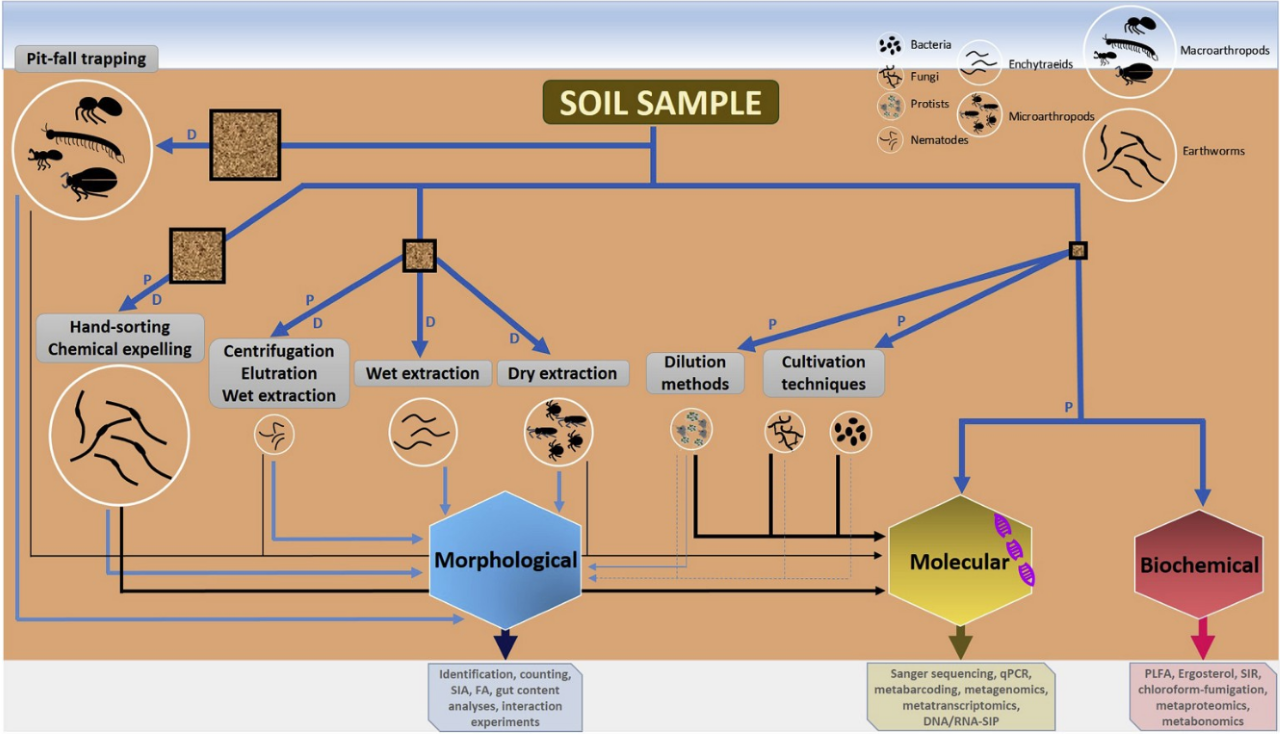
For that I initiated a roundtable at the Global Soil Biodiversity Conference in Nanjing, China in 2017. I invited experts in several groups of soil biodiversity including viruses (Ville-Petri Friman), bacteria (Laurent Philippot), protists and microfauna (myself), microarthropods (Huijie Gan and Valerie Behan-Pelletier), and macrofauna (Alexei Tiunov). All gave an overview of these diverse aspects of soil biodiversity with a focus on best methods to study their respective specialty. Diana Wall then provided a perspective on the functional importance of soil biodiversity for ecosystem functions and how to promote soil biodiversity to a wider audience. We had fun and insightful presentations that started a great discussion with the audience. This made us think that a methodological overview would be helpful for more integrative soil biodiversity research. We added some experts on other groups of soil organisms and methods (Emilia Hannula, Arjen de Groot, Maria Briones and Zoë Lindo) and wrote a perspective article — the first to be published in Soil Biology & Biochemistry. Here we provide an overview of biodiversity in soil, their importance, interactions in food-webs and why we should keep in mind that distinct groups of soil organisms inhabits soil at different scales. Most importantly, we provide an overview of methods to study soil biodiversity including its functioning and include a guide for methods (combinations) that allow assessments of soil biodiversity. One of the main points we highlight is the importance of integrative studies on soil biodiversity, using several methods, including different organismal groups and functions - a perfect “excuse” to collaborate and increase the scientific value of a particular study!

A framework for studying soil biodiversity (originally published in a paper in Soil Biology and Biochemistry).
This work focused mostly on scientists that are interested in expanding their method portfolio to extend soil biodiversity research or to add aspects of soil biodiversity to their research. Therefore, this rather detailed work is not likely to extend beyond the scientific sphere and reach the general public. For that, stay tuned for an upcoming paper and blog focusing on the promotion of soil biodiversity beyond scientific circles!
Worms Make Risky Choices Too!
So you’re hungry. But…seriously, like really hungry. It’s been a full day of science and your last meal was – oh, maybe, 12 hours ago. Standing on the corner, waiting for the bus, you think to yourself that there might be some leftover pasta at home in the fridge…a fridge that’s a 45-minute bus ride away. And that’s when you see it... the neon open sign of your campus’ finest (read…only) late night eatery. Frequented by undergrads because of its affordable price point, it’s an establishment avoided by everyone else for its reputation of lax health standards and frequent incidences of food poisoning. You check your watch. Another ½ hour before the bus arrives. What do you do? Wait until you get home? Or risk possible food poisoning across the street?
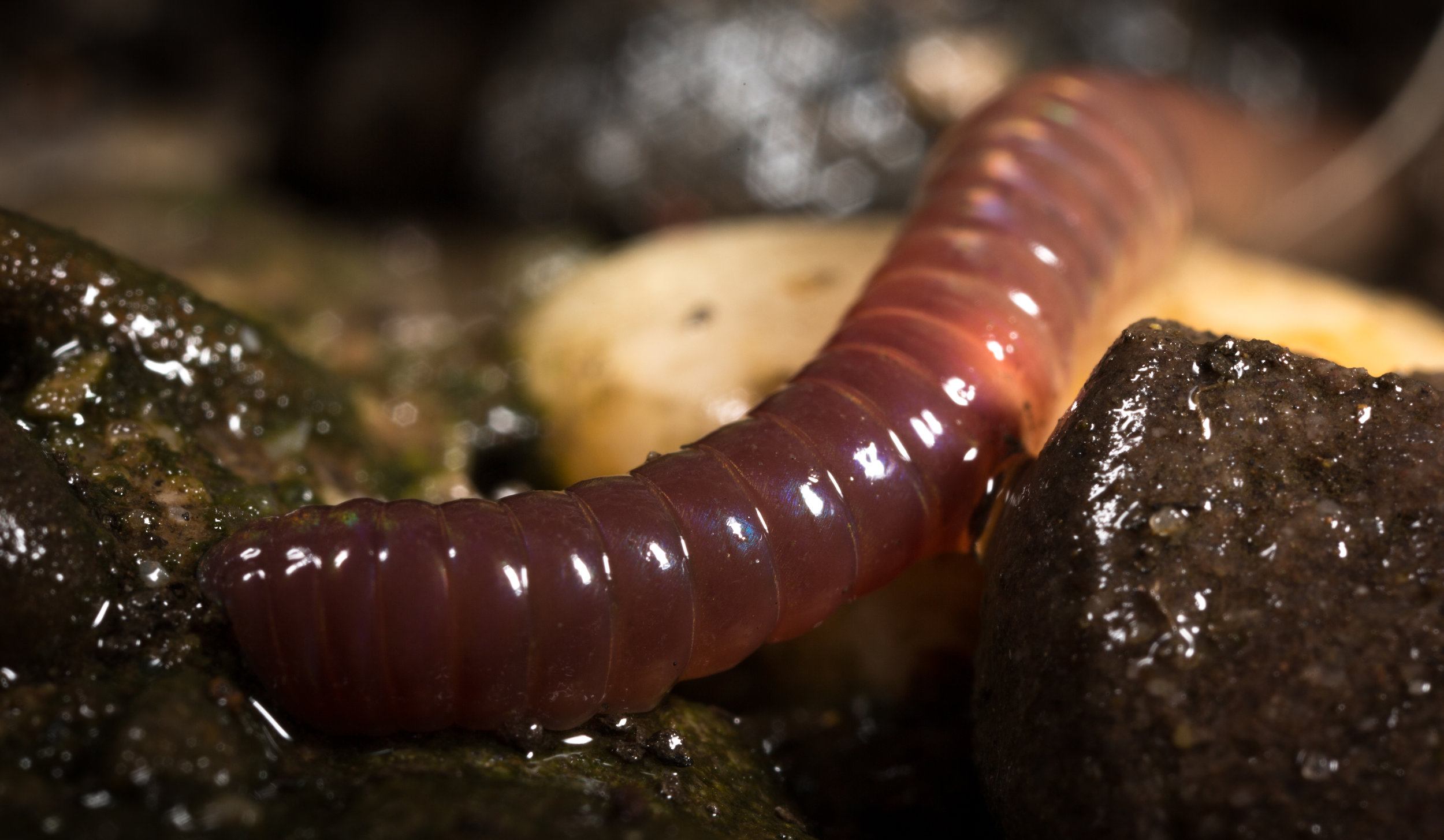
While the above scenario may seem slightly absurd, for the rest of the animal kingdom finding food really can be a risky endeavour. When foraging, organisms put themselves at greater risks of being eaten or injured. If well fed, animals will try to minimize these risks, perhaps by waiting longer before feeding to avoid a predator. But, just like in the above scenario where food poisoning might not seem so bad, when hungry, animals are more likely to take greater risks while in search of food. A number of animals are known to make riskier choices when hungry including – as shown by our most recent paper – the common earthworm (Lumbricus terrestris).
Just like other animals, the common earthworm needs to eat, but is also at risk of being eaten. So, it stands to reason that earthworms may also be faced with making risky foraging decisions. To test if this was the case – we used a simple choice experiment. Earthworms could choose to feed in either a low nutrient, dark area (low reward, low risk) or a high nutrient, light area (high reward, high risk). Earthworms are negatively phototactic – they move away from light sources that they encounter – so feeding in high light conditions represents a potentially “riskier” foraging choice for worms. Sure enough – just like in other organisms – we found that if starved, our earthworms not only choose to feed in the “riskier” condition more often, but also made their foraging decisions faster than non-starved worms.
While this result isn’t surprising given what we know about most organisms, a lot of what we know about animal behaviour comes from experiments with birds, mammals, and other vertebrates. Invertebrates – like annelids and arthropods – have been less well studied. So experiments like ours that focus on understudied taxa are important for understanding how common these behaviours may be.
However, my favourite thing about this project was that it was done by undergraduate students! While I’ve been saying that “we” showed that earthworms make risky foraging decisions - I really mean my two former undergrads Oskar Shura and Pawandeep Sandhu (see image below). Oskar and Pawan developed this project as part of a third year course at the University of Toronto Mississauga. In this course, students develop their own independent research projects and I, as teaching assistant, act as their advisor. Oskar and Pawan developed and executed such a creative project with such a clear result that Rosalind Murray (my co-teaching assistant for the course) and I decided to help them navigate the peer review process! They published their paper in the Canadian Journal of Zoology last year. While no longer doing research, both Oskar and Pawan are currently completing professional degrees in optometry and medicine, respectively.


Nematodes uncovered: the most abundant animals on the planet
Dr. Johan van den hoogen
Senior Scientist, ETH Zürich
This blog post originally appeared in the Nature Ecology & Evolution blog.
For each human, there are 60 billion nematodes living in the soil.
Honestly, when I started working on this project about two year ago, I was terrified. Trained as a molecular biologist and specializing in cellular signaling, soil ecology was a field I never even considered getting into. Joining the Crowther Lab at ETH Zürich somehow changed that. Offered the chance to work on an enormous dataset that was waiting to be analyzed, I dived into a whole new topic: soil nematodes.
Soil organisms, including bacteria, fungi, protists and animals, are crucial in the terrestrial biosphere. They play central roles in every aspect of global biogeochemistry, influencing the fertility of soils and the exchange of CO2 and other gasses with the atmosphere. By far the most abundant soil animals are nematodes, accounting for about four fifths of all animals on Earth. Just one single gram of soil can house up to several hundreds of these tiny worms. Because of their central roles in the soil food web, nematodes are excellent indicators of soil health and functioning.

Soil sampling in Brazil
Given their importance in soils, understanding global distribution patterns of nematodes is crucial for climate modelling and, ultimately, environmental decision making and effective restoration projects. We set up a global network of 70 soil ecologists from 58 different universities and institutes, each providing their local data on soil nematode abundance. This resulted in a dataset that was larger than assembled ever before, containing 6,759 unique samples from all continents.
We used machine learning algorithms to pair this dataset with 73 layers of global environmental information layers, including soil, vegetation, and climatic characteristics. The resulting model teaches us that soil nematodes are present in astronomical numbers. There are 4.4 x 10²⁰ nematodes present in the Earth’s topsoil, or in other words: for every human on the planet, there are 60 billion nematodes. Summed, their weight equals to approximately four-fifths of the total human biomass. We were surprised to find that by far most soil nematodes are present in cold regions such as the tundra and boreal forests in Alaska, Siberia and Scandinavia, and their numbers are much lower in tropical regions. One explanation is that soil characteristics, such as soil organic carbon content, are key in regulating soil nematode abundances. Associated with the paper we have an interactive version of the map. The full paper is found here, and all code and data that were used to produce the results and figures can be found here.

Global soil nematode abundance, in individuals per 100 gram dry soil
Altogether, we think that the results of this study fundamentally change our understanding of life on land. Finding the highest soil nematode abundances in boreal regions, and not in the tropics, is the opposite of what many would have expected. It also underscores the importance of soils, it’s easily forgotten that they are in fact very much alive and support the entire ecosystem.
Scratching below the surface with Australia’s digging mammals
Dr. Leonie Valentine
Research Fellow, University of Western Australia
and
Dr. Katinka Ruthrof
Research scientist, Department of Biodiversity, Conservation, and attractions
AND
Murdoch University
From badgers, sea birds and gopher tortoises to burrowing frogs and goby fish, the world has a wealth of diversity in the vertebrate animals that dig through sediments and soils. By creating burrows for shelter, ploughing through soil or digging foraging pits when searching for food, many animals move and manipulate soils through bioturbation. Prolifically digging animals are often considered ecosystem engineers as their bioturbating actions, which mix sediments and rework soils, can alter resource availability for other species.
Australia has many digging mammals, such as bettongs and bandicoots, who substantially disrupt and modify the topsoil and organic layer while searching for subterranean food. When foraging for food, these digging mammals often create shallow pits with an associated spoil heap of ejected soil. This combination of digging and discarding soil disrupts the microhabitat layer by exposing soil and burying organic matter under the spoil heap. Although digging activities appear small at a local scale, their cumulative impacts can be important for broader-scale ecosystem processes, influencing soil turnover, water infiltration and nutrient cycling.

Figure 1. The quenda is a marsupial bandicoot, endemic to south-western Australia that digs prolifically while searching for subterranean food.

Figure 2. A foraging pit created by a quenda while searching for food.
Tragically, many of Australia’s digging mammals are threatened, with several species suffering substantial population declines and range contractions due to habitat loss and predation by introduced foxes and cats. One of the digging mammals that does persist in south-western Australia is the quenda (Isoodon fusciventer), a medium-sized (800 – 1200 g) marsupial bandicoot (Figure 1). When food resources are plentiful, but introduced predators are few, these solitary mammals often have over-lapping home ranges and can occur at high densities. Each night, they create about 45 foraging pits (Figure 2) with their well-developed forelimbs as they search for underground invertebrates, fungi and tubers. It has been estimated that an individual quenda can turn over nearly four tonnes of soil annually. The digging actions of quenda change soil moisture and hydrophobicity, alter the surface litter composition and influence seedling recruitment at a local scale (Valentine et al, 2017). Given this, the foraging activity of quenda could play a role in changes to the chemical and biological characteristics of soils, and we wanted to investigate how these changes might influence seedling growth. That is, do quenda influence the growth of seedlings, and, if so, how?
In our recent study (Valentine et al, 2018), we collected soil from the base of 20 recently dug (within 2 months) quenda foraging pits (pit soil), the associated spoil heaps (spoil soil) and adjacent undisturbed soil (undug soil) and analysed the soils for nutrients (phosphorus, potassium, sulphur, organic carbon and conductivity) and microbial activity. Topsoil cores were collected from the same locations, transferred to pots and seeds of a local tree species, tuart (Eucalyptus gomphocephala), were added to the soil under glasshouse conditions (Figure 3). Seedling growth was measured over four‐months, and seedling shoot and root biomass were measured upon harvesting.
Our research showed that foraging by quenda altered soil nutrients and microbial activity, and subsequently facilitated seedling growth (Figure 4). The soil properties potassium and electrical conductivity occurred in greater levels in the spoil soil. In addition, both the spoil and undug soil had greater amounts of organic carbon and microbial activity. In contrast, the pit soil had the lowest levels of nutrients and microbial activity. Seedlings grown in spoil soil created by quenda grew quicker than other seedlings and, upon harvesting, were taller, heavier, with thicker stems and a bigger root biomass than seedlings in the pit or undug soil. The best predictors of seedling growth were greater amounts of potassium, electrical conductivity and microbial activity.
The way quenda forage for food involves excavating soil and discarding it on top of organic matter. This potentially creates an environment that is conducive for decomposition of the organic matter in the spoil heap, and subsequently, returns nutrients to the soil. In the nutrient-poor soils typical of south-western Australia, these extra nutrients may be crucial for facilitating seedling growth. The widespread decline of Australia’s previously common digging mammals may have flow-on effects for other biodiversity elements. We believe that the persistence of native digging animals, like quenda, is important for maintaining the health, function and biodiversity of ecosystems.

Figure 3. Glasshouse with tuart gum seedlings grown in soil collected from quenda foraging pits, spoil heaps and adjacent undisturbed ground.

Figure 4. Seedling height and root biomass of tuart gum trees grown in soil collected from different locations (undug, pit and spoil) of a quenda foraging pit.
References
Author affiliations:
Leonie Valentine, Research Fellow, School of Biological Sciences, University of Western Australia, Crawley 6009 WA, Australia.
Katinka Ruthrof, Research Scientist, Department of Biodiversity, Conservation and Attractions, Kensington WA 6151, Australia; and, Murdoch University, Murdoch 6150 WA, Australia.
Decadal legacies in community assembly in response to single seed and soil biota introductions
Earth’s ecosystems are not in equilibrium. Not only because of the continuous stream of human-induced disturbances, but importantly also due to the dynamic nature of ecological processes. Both human interventions and natural events can have long-lasting effects on the composition of plant and soil communities: i.e. historical legacies. There are several well-documented examples (e.g. Terra preta de Índio, Sami reindeer herding grounds) where prolonged human management has led to centuries-old legacy effects on the composition and productivity of natural vegetation through altered soil abiotic and biotic conditions. This suggests that if we can create the right legacies this can be a powerful tool for the long-term management of ecosystems.
Plants and their soil biota constantly interact in myriad ways. We know from greenhouse and field experiments that plants not only shape the composition of their soil communities, but that soil communities in turn determine plant fitness and community composition – i.e. plant-soil feedbacks. The interplay between plants and soil biota drives succession within a given abiotic context. In addition, the soil community can determine the direction in which the plant community develops. Nevertheless, our understanding so far is based on short-term experiments and mathematical models are used to project the long-term consequences.
So the big open question is how long do biotic legacies persist in real ecosystems?

Field experiment showing in front a row of 2x2 m plots used in the experiment.

Wim van der Putten (rightmost person) explaining the concepts behind the field experiment back in the good old days.
Field experiment
Way back when I had not yet started high school, my future PhD-adviser Wim van der Putten and colleagues, Simon Mortimer, Gerard Korthals and others, sat in a room in Heteren, the Netherlands, and decided it was time for a field experiment. A real test of above- and belowground community assembly and how altered biotic composition can reshape succession.
On an arable field that had just been taken out of agricultural production and reserved for nature they laid out plots. On the plots they either sowed fifteen species of mid-succession plant species, or they introduced small amounts of topsoil from a nearby ex-arable field in a mid-successional stage. The design was completed with a treatment where sowing and soil inoculation were combined and a ‘do-nothing’ control. This all happened in 1996, and since then every year researchers went back to the experiment. Every year they inventoried all vascular plants and took soil cores to determine nematode community composition. Nematodes form a central component of the soil food web and as such reflect changes in overall soil community composition.
Decadal legacies
After twenty years of data collection we sat down to rigorously analyse the data from this long-term experiment. We found that seed sowing had the strongest effect on plants, while soil inoculation had the strongest effect on nematode community composition. Both nematode and plant communities were undergoing ongoing successional changes, but due to the biotic introductions, the successional trajectories remained distinct over two decades. This was most pronounced for the treatment where sowing and soil inoculation were combined compared to the ‘do nothing’ control.
The plant species composition changed immediately in response to sowing, while the belowground nematode community took seven years to show the largest separation in terms of taxonomic composition. Such a belowground time lag has been consistently observed in previous field experiments and indicates this may be a general phenomenon. This suggests that competitive and predator-prey interactions belowground take several years to lead to consistent species sorting in response to new environmental conditions. The smaller body sizes, dispersal rates, heterogeneous soil environment and the long lasting resting stages of many soil-borne organisms may all play a role in the different response rates we found above- and belowground respectively.
Finally, we found that over the twenty years the plant and soil nematode community composition became increasingly tightly correlated. While the evidence is indirect, together with experimental evidence of plant-soil feedbacks driving succession, this suggests that the initial differences in biotic composition induced by our one-time introductions put the coupled plant-nematode communities on alternative successional trajectories. Over time, the reciprocal plant-soil feedbacks lead to consistent species sorting in the different treatments.
The future of legacies
In conclusion, our study shows for the first time that even a single introduction of plants and soil biota can lead to long-term legacies in above-belowground community assembly. This suggests that if we can find the right mix of species to introduce we can restore natural species composition long-term with limited effort, if the abiotic conditions are in order.
Open questions are now how long these legacies will still persist and to what extent the community assembly trajectories can be altered by outside influences. Interestingly the field experiment was always open to colonisations from outside for both plants and soil biota. The fact that we found consistent treatment effects over such a prolonged time period suggests that their influence is minimal. In addition, the reciprocal feedbacks among plants and soil biota can in theory prolong the existence of the historical legacies for much beyond the two decades that we document so far.
E. R. Jasper Wubs, Wim H. van der Putten, Simon R. Mortimer, Gerard W. Korthals, Henk Duyts, Roel Wagenaar and T. Martijn Bezemer. 2019. Single introductions of soil biota and plants generate long-term legacies in soil and plant community assembly. Ecology Letters doi: 10.1111/ele.13271
New insights in belowground drivers of plant performance
Dr. Rutger Wilschut & Dr. Stefan Geisen
Netherlands Institute of Ecology (NIOO - KNAW)
Plant-soil feedbacks
Plants interact with a myriad of soil organisms ranging from microscopic bacteria, protists and fungi to animals such as nematodes, micro-arthropods and earthworms. When it comes to plant performance, these soil communities contain both many good and many bad guys. Plants affect the composition of this belowground biodiversity, and in turn soil organisms affect plant performance. This multi-directional process is called ‘plant-soil feedback’, and acts on a plant species-specific level. Because each plant species has its own unique set of root properties, each plant species develops a specific community of organisms in the soil surrounding its roots. In turn, these soil communities have specific effects on plant performance. The ratio between good and bad guys in a plant’s rhizosphere soil will determine whether its plant-soil feedback is positive, neutral or negative. This direction of the plant-soil feedback is a good indicator of a plant’s ability to persist at a certain spot for multiple generations. Therefore, plant-soil feedbacks are important for natural dynamics in vegetation, which is the main reason why we are interested in studying them.

Figure 1. Geranium genus.
Obvious examples of negative plant-soil feedbacks are found in agricultural fields, where monocultures of crops typically enrich the bad guys in the soil. Root-feeding nematodes, for example, are well known to diminish yield of potatoes and other crop species. Because soil organisms that harm one crop do not always harm others, crops are rotated over the years. At the other side of the spectrum, late-successional vegetation types, such as forests and heathlands, are stabilized by the presence of many good guys – in these cases mainly mycorrhizal fungi - in the soils. Yet, while such extreme opposites in plant-soil feedbacks are well-known, we often fail to explain variation in plant-soil feedbacks we observe in natural systems.
A new approach
In attempts to unravel general drivers of plant-soil feedbacks, research (including our own work) often focusses on very diverse sets of plant species, including many different plant families. Such approaches have resulted in important findings, such as that rare plant species often have more negative plant-soil feedbacks than common plant species. However, the drawback of these wide-range species selections may be that there is simply too much variation to identify plant traits and soil organisms that underlie plant-soil feedback effects. Because we were frustrated with the limited mechanistic insights we got from these studies, we used an alternative approach. In a new study we tried to minimize the diversity in both plant traits and soil communities by studying plant-soil feedbacks of eight very closely related plant species all belonging to the herbaceous plant genus Geranium (Figure 1).

Figure 2. Plant-soil feedback experiment.
Using DNA-based sequencing techniques we studied how soil communities developed in the soil under each of these eight plant species, and linked this to the performance of a new generation of the same plant species in these soils. We firstly could show that all of these plant species develop negative plant-soil feedbacks, but some more strongly than others (Figure 2). The next step was to identify the organisms driving this plant-soil feedback variation. The overall dissimilarity in the communities of fungi, protists and nematodes between the plants did not give any clue about which organismal group may be behind the observed effects. When we took a more detailed look, however, the abundances of root-feeding nematodes popped up as a predictor of plant performance. A close-up of the nematode DNA-sequences showed that one particular nematode dominated the root-feeding nematode communities – the root-knot nematode Meloidogyne hapla (Figure 3). This nematode species is a close relative of some of the most detrimental nematode-pests in agriculture. While we often used it as a model species for other root-feeding nematodes, we never expected that it would potentially be a key player in plant-soil feedbacks of non-crop species.

Figure 3. Meloidogyne hapla.
Because of our research experience with this Meloidogyne species, we set up a nematode reproduction experiment in which we found that the plant species that accumulated the highest abundances of root-feeding nematodes in the field soils indeed were the best hosts for this particular nematode species. While this still does not prove a causal relationship between root-feeding nematode numbers and plant performance, we are confident that root-feeding nematodes play an important role in plant-soil feedbacks in natural ecosystems.
Other findings
With our set-up we could also answer the question whether the most closely related plant species develop the most similar soil communities and plant-soil feedbacks. This appeared not to be the case at all. Rather than taxonomic relatedness, the dissimilarity in root traits best predicted how much the soil communities differed between plant species. This was fascinating, given that the two most closely related plant species are almost identical in aboveground appearance. Yet, appearances can be deceiving, as these two plant species did differ a lot in root structure and chemistry, and therefore in their plant-soil feedbacks as well. Altogether, our study shows that it is important to look at many details at the same time to understand what is really happening belowground.
Wilschut, R.A., Putten, W.H. Van Der, Kulkarni, P., Martens, H., Geisen, S., Garbeva, P., Harkes, P., 2019. Root traits and belowground herbivores relate to plant-soil feedback variation among congeners. Nature Communications. doi:10.1038/s41467-019-09615-x
#WorldWormWeek
The humble earthworm physically engineers the ground beneath our feet, modifies how water, air and roots move through the soil, increases nutrient availability for plant uptake whilst cementing the soil together, influences above-ground plant susceptibility to insect attacks, is an important food source for wildlife – and yet earthworm populations in our farmland soils are a mystery.

More than 125 years ago, Charles Darwin highlighted the importance of earthworms - “Without the work of this humble creature, who knows nothing of the benefits he confers upon mankind, agriculture, as we know it, would be very difficult, if not wholly impossible”. They are colloquially known as farmers’ helpers and often ranked top for ‘usefulness’ in terms of soil health indicators by farmers. More than that, when I started this project, farmers would ask me ‘what is a good earthworm population?’ with an aspiration to use soil biology to benchmark soil management practices. It is an exciting time to be a soil scientist, but also a great responsibility to help realise the biological potential of farmland soils.
The basics of a good farmland earthworm population includes two key parameters – spatial abundance (widespread earthworm activity over the field) and earthworm diversity (all three ecological types of earthworms) - with surface-dwelling earthworms supporting efficient crop residue breakdown facilitating crop seedling emergence, topsoil earthworms mixing and mobilising nutrients for plant uptake, and deep burrowing ‘drainage’ worms forming permanent vertical burrows helping to reduce waterlogging of crop roots. This framework was the basis of developing an earthworm survey method that would be useful and used by farmers.

So began this citizen science project - a joint investment to create something to be used and be useful in the long-term. The first revelation was unexpected - the recruitment of volunteers to test the pilot earthworm survey method. Writing talks and earthworm demonstration workshops requires a high effort and time on my part, and I had presumed that people who attended these soil health events would be the people likeliest to participate. However, these were the groups with the lowest participation rates – good intentions, but the survey forgotten about until they next saw me. Instead, it was the online farming community, connected through social media and online forums that led to the best collaborations. A community of people publicly taking part, cajoling each other to take part, comparing and sharing results, directly requesting method support (that I could provide in real-time via YouTube method demos and photos of different earthworm types) and requesting a workshop to come together and discuss the strengths, weaknesses and improvements – to co-create the method for farmland earthworm surveys. The popularity of the pilot study prompted a new national Agriculture and Horticulture Development Board leaflet ‘How to count worms’ based on this method.
My presumption that I would have a few hotspots of surveys linked to workshops was outdated - through online communication, the idea had caught on and at least one farmer from each region (except London) in England took part, and the survey developed in real-time with two-way communications - an applied science revolution! The workshop (identified as the primary mechanism the participants wanted feedback) was held a week after the end of the survey period and together we identified participation barriers (duration and need to reduce the number of soil pit assessments), key training needs (earthworm identification support) and the need to develop from a paper based survey to an online platform for the Autumn survey. Overall, 3,000 hectares and almost 20,000 earthworms were studied by farmers in 2018, and we continued to discuss and digitise the survey ready for its application in 2019.
The initial results highlighted that earthworms are ubiquitous in farmland soils in England and we discovered some fields had exceptional earthworm populations (all three earthworm types in every soil pit and around 7 - 8 million worms per hectare). At both timepoints, approximately 50 % fields were found to have a good spatial abundance and diversity of earthworms. Whilst reduced and no-tillage are increasingly popular, conventional tillage dominates crop establishment practices in England and has done so for over 30-years, and tillage (habitat disturbance and loss of surface litter) and is well known to change the earthworm community structure (negatively impacting the litter-feeding surface and deep-burrowing earthworms). So, this result was not scientifically surprising, but it was useful to quantify, for example, that approximately 20 % fields had no deep burrowing ‘drainage’ earthworms (or signs of them).

I wrote the research up for publication in an open access online journal and for the first time used a pre-print server – enabling anyone to comment during the peer-review process. I received no comments, but it was popular – it is in the top 5 % of outputs ever monitored by Altmetric. After corrections via peer-review it was published – where it was picked up by the national press. Some journalists created their own results interpretations - including earthworm declines, bird declines, and/or attributing the results to pesticides - popular themes amplified by environmental lobby groups. Ironically, this jeopardised both the ‘citizen’ in our citizen science project and this type of reporting is detrimental to farmer collaborations, and the ‘science’ in our citizen science project which relies on both depleted and exceptional earthworm populations to be reported so that we can bridge the gap between scientific theory and what consistently works in practice. Some farmers complained to the National Farmers Union about the clickbait headlines and the potential detrimental impact on farmer/scientist collaborations. When I started this project, I never thought that the biggest communication issue would be how citizen science in agriculture can be reported.
This project has continued to develop – moving beyond a ‘do I have good earthworm populations?’ benchmarking, to a change in mindset about how to best tend to the ‘below-ground livestock’. This necessitates better connectivity to farming innovations and ideas around the world and the development of more sophisticated analysis – with image analysis identified as the priority development to support species identification and biomass estimates. This is why we’ve asked the global farming and scientist community to join us to create a snapshot of earthworms in farmland soils for #WorldWormWeek (23 – 31st March). It is somewhat fitting that the importance of earthworms was recognised by Charles Darwin over 100 years ago, and their value has evolved, helping to build new connections as we set about to discover the hidden world beneath our feet.
References:
Stroud JL. Co-producers: open data can test trust. Nature. 2018;562(7727):344. doi: 10.1038/d41586-018-07059-9
Stroud JL. Soil health pilot study in England: outcomes from an on-farm earthworm survey. PLoS ONE. 2019. doi: 10.1371/journal.pone.0203909
Project: www.wormscience.org

