

Blog Archive:
Beneath Our Feet
Is atmospheric chemosynthesis an overlooked microbial process in soil?
Dr. Belinda Ferrari
Associate Professor, University of New South Wales, Australia
Angelique Ray
PhD Candidate, University of New South Wales, Australia
Figure 1. Image of Dr Belinda Ferrari, PhD candidate Eden Zhang (at front) and Dr Daniel Wilkins sampling soils from Mitchell Peninsula, in the Windmill Islands region of Eastern Antarctica during their 2019 expedition. Photo credit: Catherine King.
In Antarctica, soil bacteria dominate and drive ecosystem processes, particularly carbon and nitrogen cycling. In Eastern Antarctica, a proportion of bacteria appear to survive the freezing and severe carbon and moisture-limited conditions by depending on a hydrogen-oxidation strategy that energetically supports primary production via a new lineage of RuBisCO, Type 1E. This novel mode of chemoautotrophy, coined ‘atmospheric chemosynthesis’, is distinct from photosynthesis or geothermal chemotrophy where the consumption of ubiquitous trace levels of atmospheric gases (H2, CO & CO2), provide the energy and carbon needs for bacteria to literally ‘live on air’.
The initial discovery of atmospheric chemosynthesis was made from soil microbiomes in two sites in Eastern Antarctica. Therefore, many questions remain; is this new mode of primary production restricted to East Antarctica, or is it a global, overlooked microbial process in soil? To answer this question, we used quantitative PCR to quantify key genetic determinants of this proposed metabolic process; RuBisCO Type 1E (rbcL1E) and high affinity 1h-[NiFe]-hydrogenase (hhyL), relative to overall bacterial community size as indicated through 16S rRNA gene quantification. We analysed 122 soils sampled from 12 sites that span the ‘three poles’ and found that indeed, trace gas oxidation and carbon fixation genes are ubiquitous, with the genetic determinants present in soils that lack traditional phototrophs (McMurdo Dry Valleys) and as well as in sites that are richer in phototrophs such as plants, algae and cyanobacteria (High-Arctic, Tibetan Plateau).

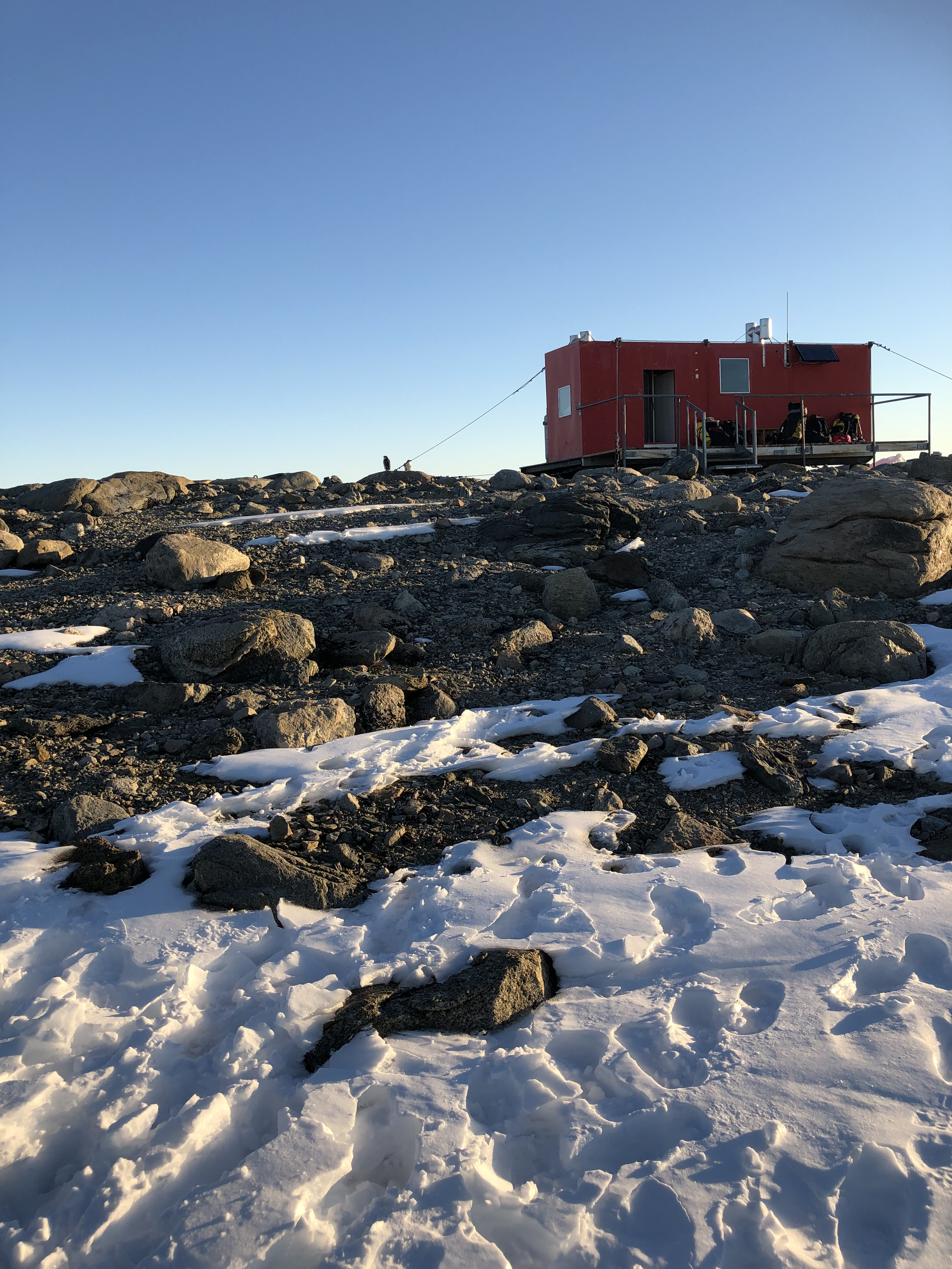
Figure 2. Robinson Ridge Hut, in the Windmill Islands region, Eastern Antarctica. Atmospheric chemosynthesis was first discovered in soils from this nutrient-limited, arid desert. Photo credit: Belinda Ferrari.
For the Antarctic and High-Arctic sites, we used correlation analyses against 26 measured soil physiochemical environmental parameters to find that RuBisCO Type 1E and high affinity 1h-[NiFe]-hydrogenase genes were associated with lower soil moisture, carbon and nitrogen content. This finding was not unexpected, given that atmospheric chemosynthesis was first discovered in the cold, arid and hyper-arid soils of the Windmill Island’s and Vestfold Hills regions of Eastern Antarctica. To date, the pathways for this new metabolic process are theoretical, in part because bacteria with this capacity are proving difficult to culture in the laboratory. What we have found from this research, is a widespread genetic potential for desert soil microbiomes to be supported by this minimalistic mode of primary production. The implications of this carbon fixation process as being more common to microbial communities, rather than a being a unique specialist process, is substantial, with the contributions to soil carbon sequestration likely to be more significant than we first realised. Moreover, the fact that bacteria can use trace gases to survive is opening up new avenues in the search for biosignatures for microbial life on other planets.
Publication: Ray A, Zhang E, Terauds A, Ji M, Kong W and Ferrari BC (2020) Soil Microbiomes With the Genetic Capacity for Atmospheric Chemosynthesis Are Widespread Across the Poles and Are Associated With Moisture, Carbon, and Nitrogen Limitation. Frontiers in Microbiology 11: 1936. https://doi.org/10.3389/fmicb.2020.01936
Legumes get help from soil biodiversity to reduce effects of climate change
dr. Gaowen Yang
Postdoctoral Scholar, Freie Universität Berlin, Germany
Global environmental change, including factors such as drought, nitrogen (N) deposition and warming, has been shown to threaten plant and soil biodiversity. It is well known that global change can dramatically alter plant community composition, and reduce ecosystem functions as a result of plant diversity loss. However, whether soil biodiversity loss can further influence plant community responses to global change is still poorly understood.
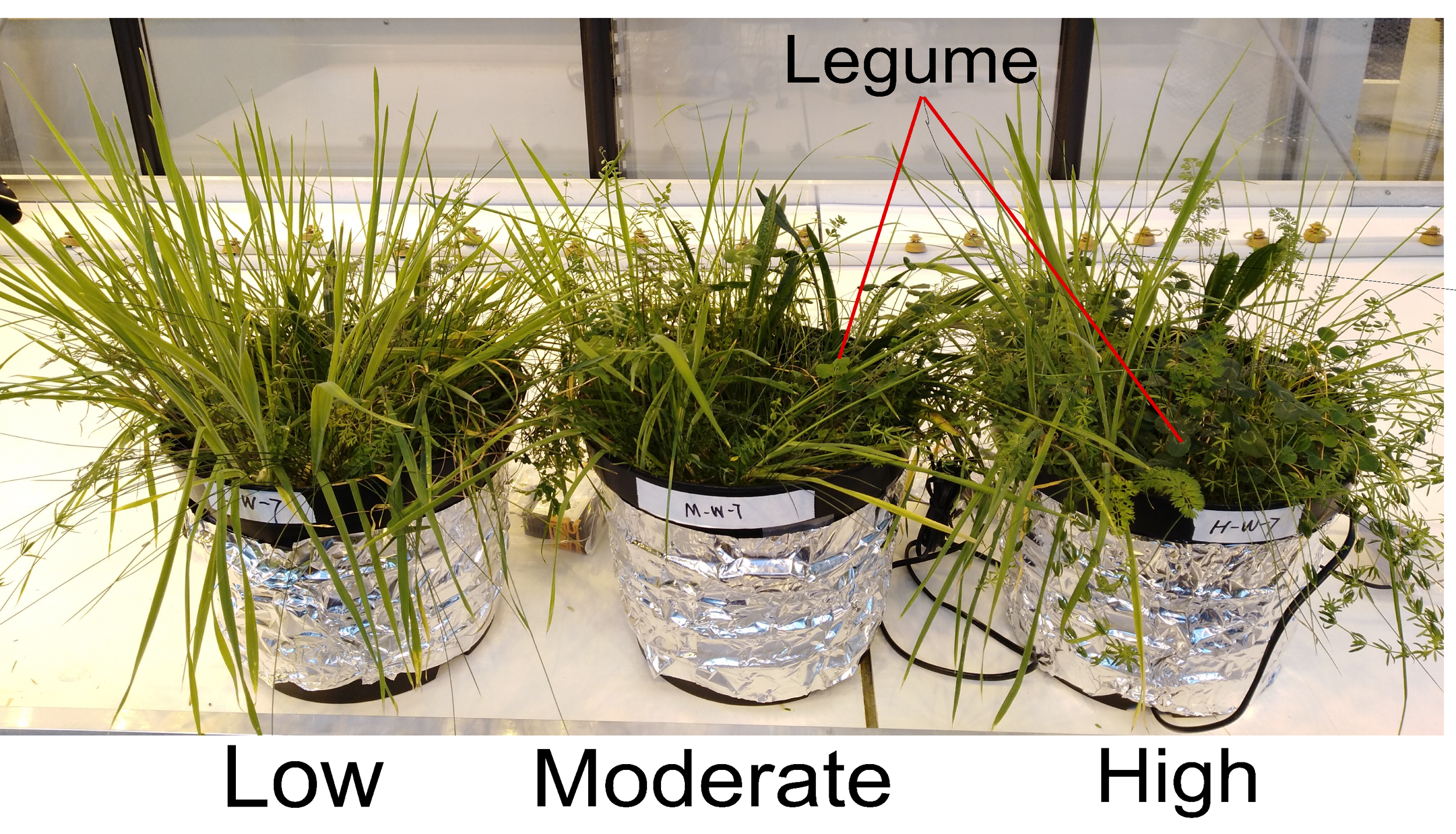
Figure 1. Soil biodiversity loss reduced the performance of legumes under warming. A heating cable was wrapped around the outside of the pot and was covered by aluminum foil to reduce thermal radiation to adjacent pots. Temperature controllers for each pot switch the heating cables off and on to maintain a set temperature with ±1°C dynamics in the pot.
Soil biodiversity, including numerous soil organisms, plays fundamental roles in the dynamics of plant community composition, and for the maintenance of plant diversity and multiple ecosystem functions. Thus, we predict that soil biodiversity loss will destabilize plant community composition and lead to plant diversity loss when faced with global change. To simulate a realistic loss of soil biodiversity during global change disturbances, we used the dilution-to-extinction approach to create a gradient of soil biodiversity. Experimental grassland plant communities with soil biodiversity gradients were established under greenhouse conditions. We tested the effects of soil biodiversity loss on plant communities during and following manipulations simulating global change disturbances in experimental grassland.
In general, we found that the growth of grasses and herbs was not sensitive to global change disturbances. However, global change disturbances decreased the performance of legumes (Figure 1), particularly under reduced soil biodiversity and the loss of soil biodiversity suppressed the recovery of legumes following disturbances.
Legumes, associating with rhizobia to fix atmospheric N2, have a profound effect on multiple ecosystem functions. The reduction of legumes can decrease N input, which could potentially alter multiple ecosystem functions. Moreover, given that most native grasslands in the world are dominated by grasses or grass-like plants, our study emphasizes that soil biodiversity is crucial for legume persistence and plant diversity maintenance when faced with environmental change. Our study highlights the importance of soil biodiversity as a potential buffering mechanism for plant diversity and community composition in grasslands.
Publication: Yang G, Roy J, Veresoglou SD, Rillig MC (2020) Soil biodiversity enhances the persistence of legumes under climate change. New Phytologist. In press. https://doi.org/10.1111/nph.17065.
A wealth of information on the world’s ants
madison sankovitz
Ph.D. Candidate, Department of Entomology, University of California Riverside, USA
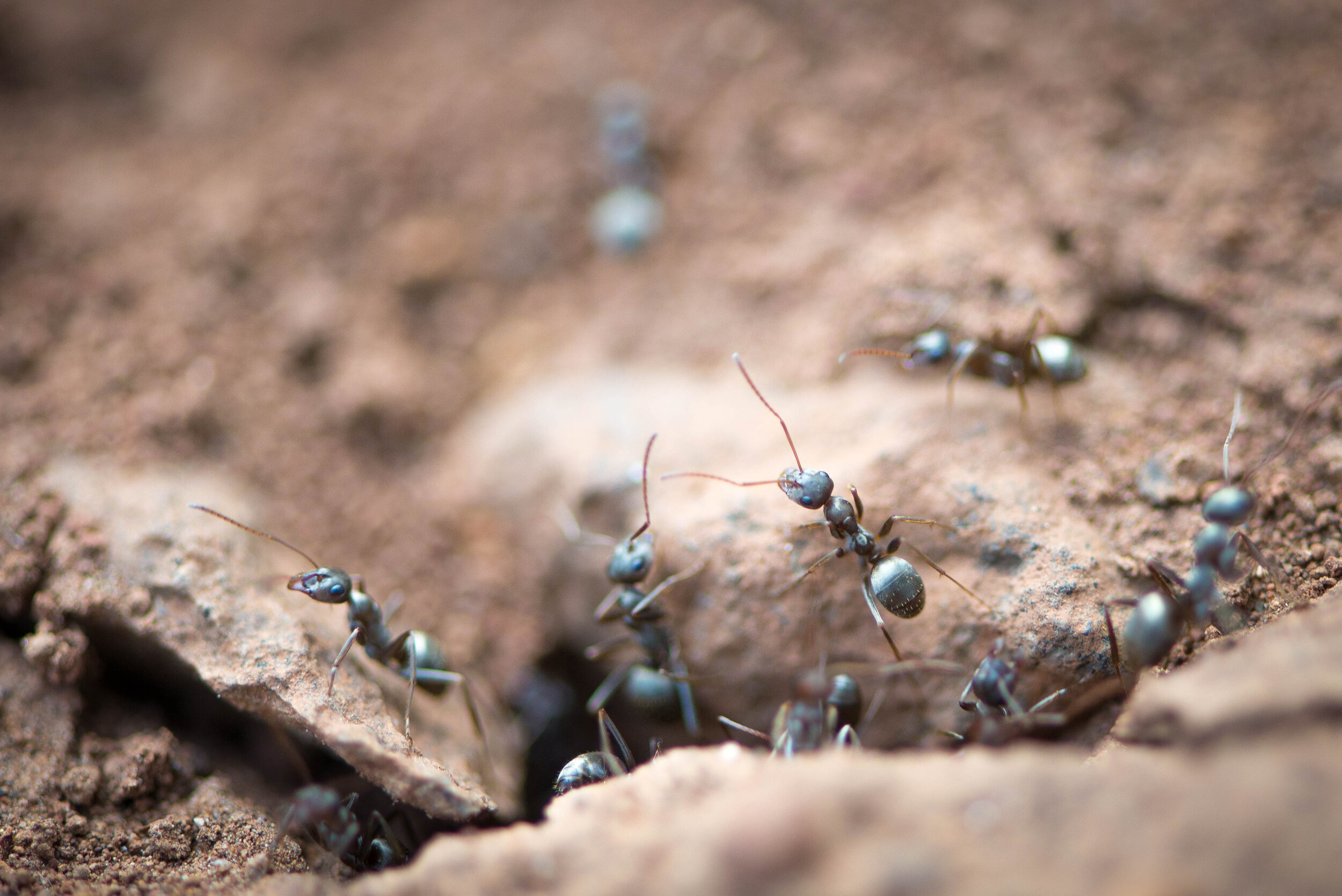
Figure 1. Formica sibylla ants. Photo credit: Madison Sankovitz.
Ants are one of the most prominent soil macroarthropods. They live almost anywhere on land (except Antarctica and some isolated islands), and most of them nest underground, modifying soil ecosystems in the process. It has been estimated that ants make up 15-20% of the terrestrial animal biomass on Earth. Through subterranean nest excavation and maintenance, they are heavily involved in providing essential soil ecosystem services for humans (such as improving soil structure and increasing organic matter content on marginal land, Figure 1).
For a scientist new to the field, a non-specialist collaborator, or even a seasoned myrmecologist, the task of finding up-to-date information on ant diversity can be daunting. For centuries, myrmecologists have collected ants from around the world. Based on these collections, hundreds of taxonomists have distinguished among the samples, subfamilies, genera, and species. Although the enormous amount of information on this insect family may seem unapproachable, many groups of scientists have worked hard to organize it all into useful databases and maps. We have only begun to uncover the importance of ant diversity to global soil health. These resources allow the assessment of current knowledge and analysis of ant diversity across all spatial scales. They can be used to study ecological and evolutionary patterns and processes, including distribution of species, the roles of environmental gradients and geological histories in shaping biodiversity, and the relative coherence of patterns found in ants with other taxonomic groups, providing a baseline for conservation.
Here, I outline major ant diversity databases and maps. As a Ph.D. student studying ants, it took me a long time to discover all of these resources for myself. So I hope this will be useful and save time for others who are less familiar with the field but looking to study ant diversity or use the information for policy making!
The Wikipedia for ants, with 27,735 articles and 117,608 files uploaded by ant experts worldwide. Contributions come from ant experts together with discussions provided by experts and amateurs. Data is collated from numerous global databases and integrated with individual taxon pages.
Figure 2. Example of high-quality ant specimen images on AntWeb.
The world's largest online database of high-quality images, specimen records, and natural history information on ants (Figure 2). It is community-driven and open to contribution from anyone with specimen records, natural history comments, or images.
antmaps.org (Global Ant Biodiversity Initiative (GABI))
antmaps.org provides a framework for visualizing the known distribution of ant species or higher taxa and accessing the underlying records for those data (Figure 3). It is not a database per se, but rather a tool for visualizing and interacting with the Global Ant Biodiversity Initiative (GABI) database. While other invaluable web tools for myrmecology (such as AntWeb and AntWiki) are more comprehensive and multifaceted resources on ant biodiversity, antmaps.org is built explicitly for mapping species distributions, aggregating diversity patterns, and visualizing data from GABI.
The GABI project aims to compile over 200 years of ant research into a single database providing distribution information for all ant species. In addition to aggregating records from existing specimen databases such as Antweb, the main effort of the long-term collaborative project’s participants consists of mining thousands of papers for literature records, including translating literature in regional non-English journals. The database now has over 1.9 million records, including around 15,000 described ant species and subspecies.
Figure 3. antmaps.org interface.
A comprehensive geo-referenced database on local-scale species assemblages and species traits. At the launch of this website in October 2015, the Global Ants database included more than 82,910 trait values, 2,212 species, and 1,818 georeferenced local assemblages of ants.
Maps showing the places in which each ant genus is known and also where each genus is likely to be found.
The scent of earth – a connection between sporulating soil bacteria and springtails
Dr. Paul G. Becher
Associate Professor, Department of Plant Protection Biology, Swedish University of Agricultural Sciences, Sweden
Dr. Klas Flärdh
Professor, Department of Biology, Lund University, Sweden
When digging into soil, we uncover the fragrance of earth that many of us associate with gardening, agriculture or a walk in the forest. The earthy smell is so familiar to us and common on our planet that we might not think about it as anything more than a meaningless whiff. However, the volatile compounds we smell often have a biological function for those that release or those that detect the compounds. So, what about that earthy scent of soil? Could it have an ecological significance?
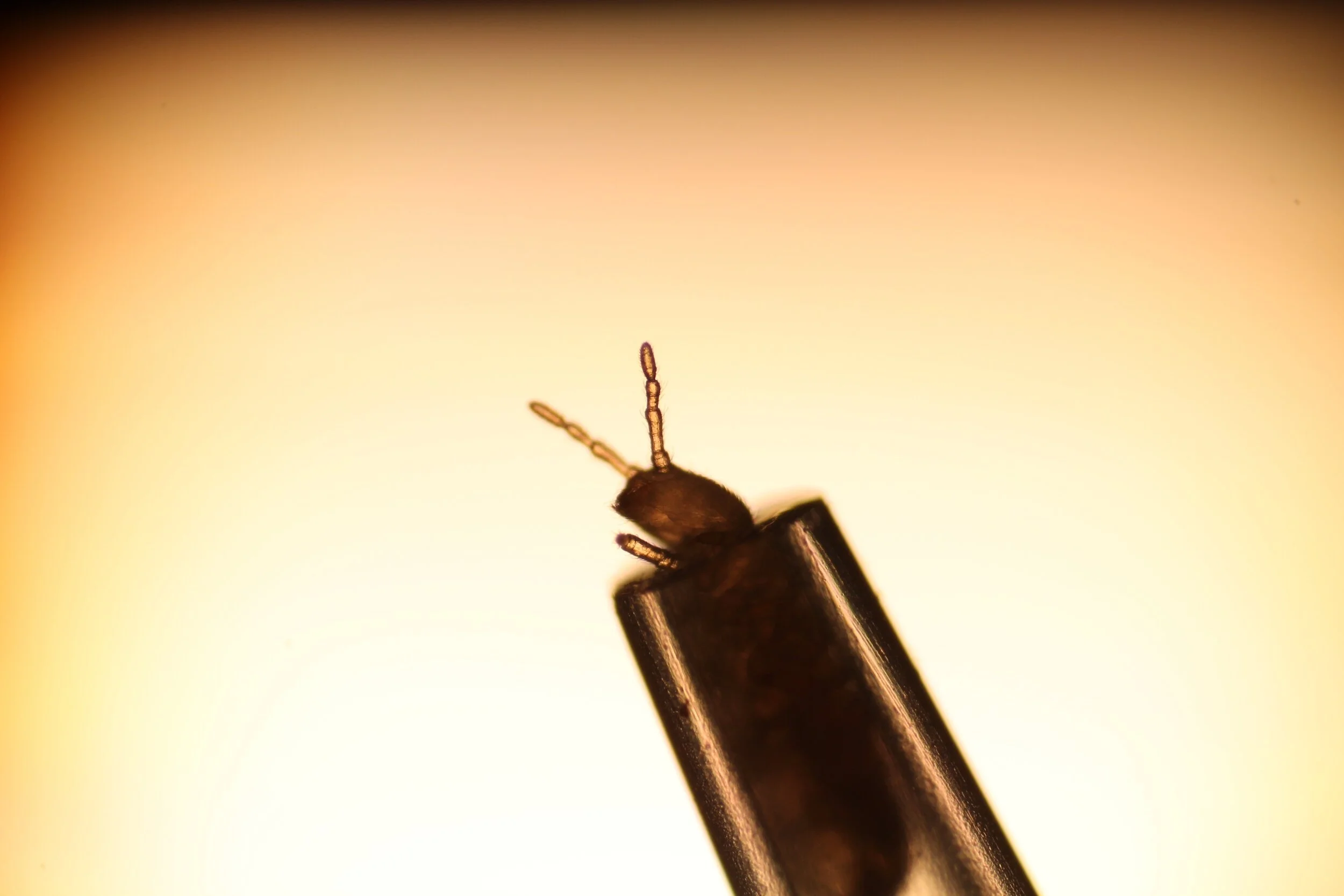
A springtail (Folsomia candida), mounted and ready for elecrtroantennographic detection. Electrodes are then attached to its antennae to detect neurophysiological responses. Photo credit: Béla P. Mólnar, Zoology Department, Plant Protection Institute, Centre for Agricultural Research, Budapest, Hungary.
The smell of soil derives largely from the two characteristic volatile organic compounds (VOCs) geosmin and 2-methylisoborneol, which have long been known to be produced by soil bacteria of the genus Streptomyces. Streptomyces bacteria as a group are known for their ability to produce thousands of specialized metabolites, and they are the source of many of our clinically used antibiotics. Each isolated strain has the ability to produce a subset of perhaps 20-30 different compounds. Despite the huge variability in the spectrum of compounds produced by each strain of Streptomyces, they all have one thing in common: the ability to produce geosmin, and many of them also make 2-methylisoborneol. However, it has remained a mystery why streptomycetes emit these earthy scents and what benefits they may have from it. We postulated that the volatiles emitted by Streptomyces spp. are not only perceived by humans, but also by animals that dwell in or on the ground.
The problem was that we did not know which group of animals to look for as the odor so far was mainly known as off-flavor to humans and aversive smell to Drosophila fruit flies. We therefore went ‘fishing’ in the soil with Streptomyces-baited traps to find out if anything could be attracted to the lure made of sticky cardboards and bacterial cultures. What we collected were springtails (order Collembola) which are small six-legged invertebrates closely related to insects who feed on microbes in soil and detritus.
With this finding we concentrated on the springtail Folsomia candida, which can be reared for laboratory experimentation. We confirmed that F. candida is attracted to the odor of Streptomyces spp., and we also visualized the sensory response by electrophysiological recording from springtail antennae stimulated with geosmin or 2-methylisoborneol. Moreover, in the lab we could see that F. candida was able to use Streptomyces biomass as a food resource. Finding springtails responding to Streptomyces odor was interesting, but it did not yet explain any benefit for the bacteria emitting the VOCs.
A springtail (Folsomia candida) next to Streptomyces biomass (in black). The springtail gut is filled with ingested biomass (in black). Photo credit: Paul G Becher.
An investigation of how the bacteria regulate biosynthetic production of geosmin and 2-methylisoborneol gave us a hint for a possible function. The production of these volatiles was tightly connected to the formation of spores, which are reproductive units formed on the surface of Streptomyces colonies, for example when they run out of nutrients. The spores serve for dispersal and survival of the bacteria when there are adverse environmental conditions. What we found was that genes for geosmin and 2-methylisoborneol production are only expressed when the Streptomyces bacteria make spores. Knowing how the VOC production was integrated into the Streptomyces developmental life-cycle, we hypothesized that the attraction of springtails might have a role in spore dispersal.
We saw that the Streptomyces spores attach remarkably well to the surface (cuticle) of the springtail body. Moreover, when being ingested by the springtails, spores survive passage through the springtail gut and are released in fecal pellets. These two modes of dispersal by springtails is similar to the vectoring of plant reproductive units in other symbiotic relationships, such as the transport of pollen by bees or the dispersal of seeds by birds.
In summary, when Streptomyces bacteria run out of nutrients and sporulate, they emit geosmin and 2-methylisoborneol to attract springtails. The animals feed on the bacterial biomass, and at the same time they help the bacterium to disperse by spreading its spores to new locations. Thus, the smell of soil we may perceive on a walk through the woods is actually part of an ecological interaction between microbes and arthropods that has coexisted for several hundred million years.
Publication: Becher PG, Verschut V, Bibb MJ, Bush MJ, Molnár BP, Barane E, Al-Bassam MM, Chandra G, Song L, Challis GL, Buttner MJ, Flärdh K (2020) Developmentally regulated volatiles geosmin and 2-methylisoborneol attract a soil arthropod to Streptomyces bacteria promoting spore dispersal. Nature Microbiology 5, 821–829. https://doi.org/10.1038/s41564-020-0697-x
Soil arthropod mesofauna takes the stage: Advances from whole-community haplotype-level metabarcoding
dr. paula arribas
Island Ecology and Evolution Group, IPNA-CSIC, Spain
dr. carmelo andújar
Island Ecology and Evolution Group, IPNA-CSIC, Spain
Our understanding of the spatial structure and the underlying processes of community assembly of soil biodiversity have increased dramatically in the last years. However, this knowledge is still strongly unbalanced across taxonomic groups, a situation which hampers the development of an integrative framework for soil biodiversity. In particular, there is a pronounced shortage for soil arthropods, in part because the implementation of high-throughput sequencing to this soil biodiversity fraction has seen comparative little and delayed progress in adapting and exploiting these tools.
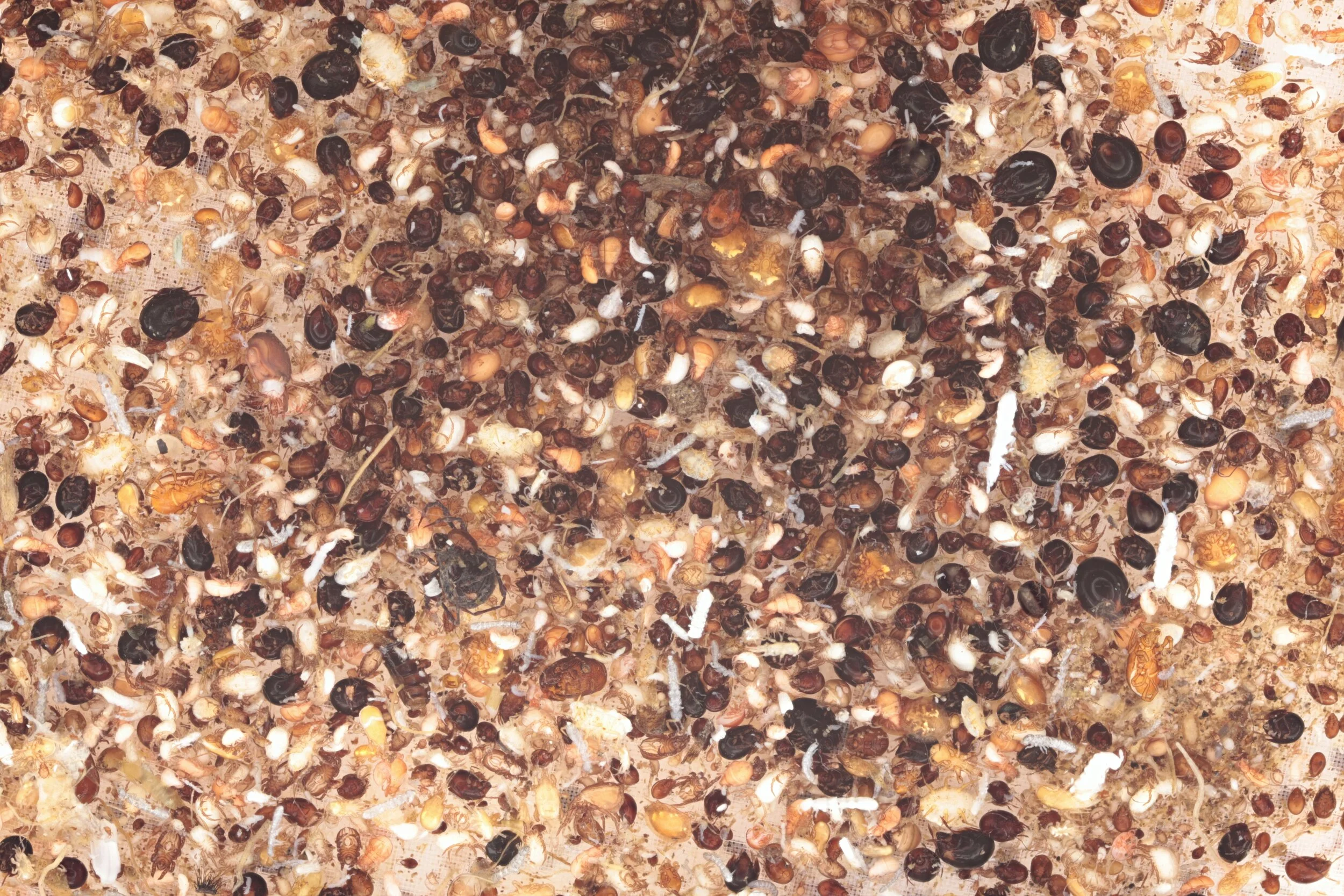
Figure 1. Flotation–Berlese–flotation (FBF) protocol for the extraction of soil arthropod mesofauna and subsequent molecular and bioinformatic steps for the multi hierarchical study of community assembly (Arribas et al., 2020).
New approaches using whole-community metabarcoding with the mitochondrial COI gene are now speeding up the exploration of the diversity, distribution and community assembly of this soil fauna. The flotation–Berlese–flotation protocol (FBF, Figure 1 A, B) for example, takes advance of the soil flotation method (homologous to elutriation of nematodes), that has been traditionally used by entomologists for the isolation of endogean specimens from large volumes of soil. This approach allows drastically increasing sample size respect to direct Berlese extraction, but also respect to the few grams of soil usually used for soil DNA extraction. Concerning the second, the FBF protocol also has the advantage to substantially reduce the bacterial component in the DNA extractions, which has traditionally impeded the use of the standard COI animal barcode fragment for the metabarcoding of soil fauna. The use of the COI metabarcoding has multiple advantages for characterising animal assemblages, including the availability of larger reference databases and the potential to approximate community profiles at the species but also intraspecific levels of genetic diversity.
Figure 2. Bulk arthropod sample obtained by the implementation of the FBF protocol to a soil sample from a Quercus forest (northern France).
In our last study, we take profit of all the recent advances in the COI metabarcoding of soil arthropods to generate comparative data of whole communities at three hierarchical levels: genetic, species and supra-specific lineages. This multi hierarchical framework (Figure 1 C-E) applied to entire assemblages of mites, springtails and beetles from three geographically distinct mountain regions in southern Europe allows exploring the spatial scale at which dispersal constraints are effective in determining species distributions and community assembly, a still open question in soil biodiversity research. High levels of spatial structure, distance decay and endemicity were found within habitat patches at the scale of a few kilometres. Local spatial patterns were self-similar for the haplotypes and higher hierarchical entities, and this fractal structure was similar in all regions, suggesting that uniform processes of limited dispersal determine local-scale community assembly. Our results from whole-community metabarcoding provide insight into how dispersal limitations constrain mesofauna community structure within local spatial settings over evolutionary timescales. And if generalised across wider areas, the high turnover and endemicity in the soil locally may indicate extremely high richness globally, challenging our current estimations of total arthropod diversity and reinforcing the importance to catalogue this fraction of soil biodiversity on Earth.
Publication: Arribas P, Andújar C, Salces-Castellano A, Emerson BC, Vogler AP (2020) The limited spatial scale of dispersal in soil arthropods revealed with whole-community haplotype-level metabarcoding. Molecular Ecology (in press). https://doi.org/10.1111/mec.15591
Nematodes driving the fate of carbon under climate change
dr. andre franco
Department of Biology, Colorado State University, USA
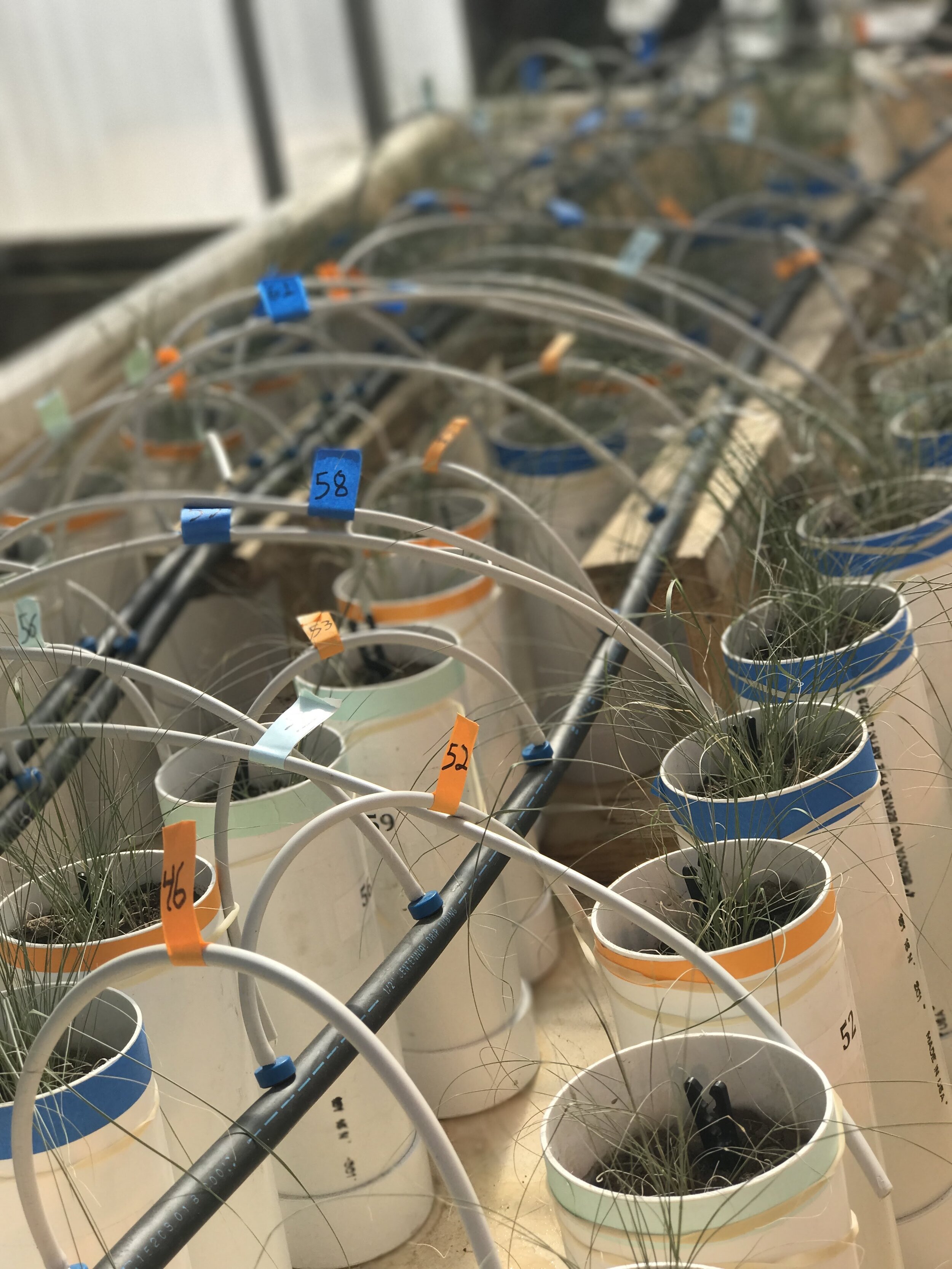
Fig. 1. Multiple experimental microcosms with blue grama seedlings.
I was among a group of soil ecologists from Colorado State University who collaborated with plant ecologists from Arizona State University to investigate belowground controls on plant responses to drought. Droughts are becoming more frequent, severe, and longer lasting than in recent decades in many places. Ecological theory suggests that certain plant species may respond to drought by producing fewer leaves because leaves lose water through transpiration, and instead allocate more production to roots, which capture water. These patterns are important in the context of ecosystem responses to climate change because they set limits on ecosystem carbon assimilation and biomass production.
Plants interact with many other organisms in ecosystems, and the response of those to drought may also affect plant responses. Our previous multi-site grassland field study revealed that more frequent extreme droughts can increase populations of root-feeding soil nematodes (roundworms) in sub-humid grasslands by suppressing their predators. These root parasites limit plant biomass production in grasslands, and their increased abundance under drought led us to ask whether high levels of root herbivory by nematodes would prevent the high biomass allocation to roots by grasses expected in response to drought.
In order to find out, we set up a greenhouse experiment in which we exposed a dominant shortgrass steppe species, blue grama (Bouteloua gracilis), to extreme low and high amounts of water under a variable amount of root feeders (Fig. 1). We added root-feeding nematodes to increase their abundance in soil microcosms from 35% (that found in native shortgrass communities) to ≈ 50% (that found in field plots under extreme drought) relative to the total nematode abundance. We tested whether high levels of root herbivory by nematodes would prevent the high grass biomass allocation to roots normally expected in response to drought. After 12 weeks, the results showed that the effects of dry conditions on grass biomass allocation depends on the abundance of root-feeding nematodes. High abundance of those nematodes impeded grass responses that otherwise allocated relatively more biomass to roots than leaves under drought conditions to benefit water uptake (Fig. 2). This indicated that when the root-feeding nematodes thrive, they undermine an important plant mechanism that buffers grasses and ecosystems against the effects of drought.
The findings presented in our paper challenge current predictions of increasing plant biomass allocation belowground in water-stressed grasslands, and can be of special interest to ecosystem modelers. Terrestrial biosphere models still have a low capacity in reproducing the magnitude of vegetation responses to temporal changes in annual rainfall at a given ecosystem. Our findings support the idea that including soil biota parameters (specifically those related to belowground primary consumers) will enhance the predictive capacity when modelling vegetation responses to drought. Accurately modelling vegetation responses to changes in rainfall is crucial to predicting water and carbon cycling rates into the future, and to providing solid scientific guidance to grassland land managers.
Fig. 2.Response of the fraction of total plant biomass allocated below- ground (fBNPP) to water treatments and soil-fauna manipulations (Franco et al., 2020).
It should be noted that the hypotheses presented in this study were tested using a single grass species (B. gracilis) and under controlled greenhouse conditions. While these controlled conditions allowed us to test mechanistic hypotheses and evaluate cause-effect relationships by manipulating only a few variables, they obviously miss the complexity existing in the field. Therefore, we call for caution in extrapolating our results to grassland ecosystems, as field experiments are likely to reveal scale- and ecosystem-dependent patterns that are not testable in a greenhouse setting. This being said, B. gracilis accounts for most of the net primary productivity in the shortgrass steppe of the central and southern Great Plains, and our use of native nematode species (and quantities) and soils from that ecosystem provide a certain degree of ecological realism.
Our next step is to investigate this nematode control on plant responses to drought in field plots in different grassland sites (arid to mesic). We have already completed field experiments in this regard, and are currently processing the dataset. We expect that the importance of nematode control of biomass allocation will be greater in mesic compared to arid environments where root-feeder populations seem to be primarily regulated by resource availability rather than predation pressure. Another emergent question is how this phenomenon affects carbon fixation in grassland soils, given that root inputs contribute more to soil organic matter than aboveground litter.
Publication: Franco, ALC; Gherardi, LA; de Tomasel, CM; Andriuzzi, WS; Ankrom, KE; Bach, EM; Guan, P; Sala, OE; Wall, DH (2020) Root herbivory controls the effects of precipitation on the partitioning between above-belowground grass biomass. Functional Ecology. In Press. doi: 10.1111/1365-2435.13661
Belowground productivity accounts for 46% of total terrestrial C fixation
Dr. Laureano A. Gherardi
School of Life Sciences, Arizona State University - Tempe, USA
Figure 1. At the global scale, belowground net primary productivity increases with mean annual precipitation. Individual biomes have idiosyncratic responses of belowground production to precipitation increasing or decreasing with mean annual precipitation (Gherardi and Sala, 2020).
Every year, terrestrial ecosystems reabsorb approximately 20% of the carbon dioxide emitted to the atmosphere by human activities. This crucial ecosystem service is provided through net primary productivity that is the plant organic matter accumulation rate exceeding plant respiratory efflux during a period of measurement. Plants allocate a significant fraction of total net primary production belowground, primarily to roots. Carbon entering the soil strongly affects the global carbon cycle as root growth and rhizodeposition are the main sources of soil-organic carbon. Functionally, roots are the main belowground resource acquisition organs and therefore play an important role in the uptake of water and nutrients. In addition, belowground productivity is the energy source supporting soil microbial and faunal life and a vast assemblage of key ecological processes.
Belowground net primary production (BNPP) is the fraction of total primary productivity occurring in the soil and is not quantifiable in a strict sense. Conceptually, BNPP equals the sum of the positive change in belowground biomass, the amount of biomass consumed by herbivores, the amount of biomass lost to death and the amount of rhizodeposits all during a time interval. Here, we used a combination of satellite and field observations to estimate BNPP at the global scale. This very parsimonious approach allowed us to assess the major climatic controls of BNPP among different biomes.
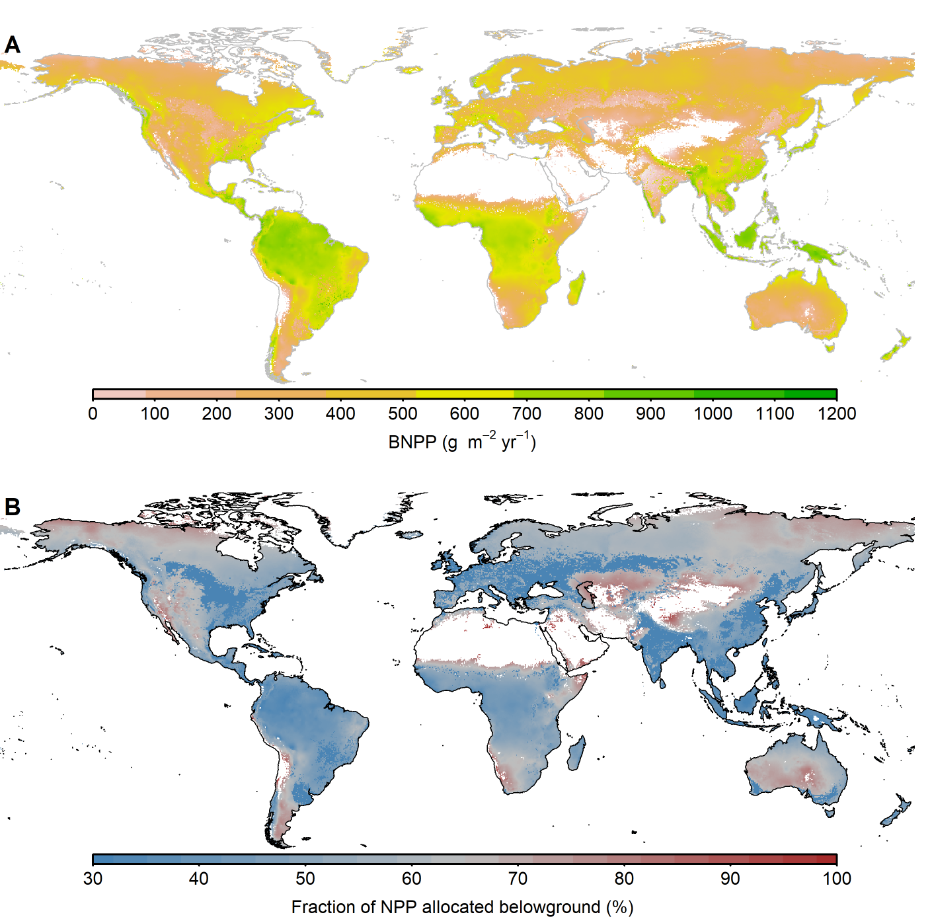
Figure 2. Global F-BNPP patterns across major biomes (Gherardi and Sala, 2020).
Our estimates indicated that long-term mean global BNPP totaled 24.7 ± 5.7 Pg C yr-1 representing 46% of total terrestrial net primary productivity. BNPP increased from arid to humid sites non-linearly (Figure 2) where the increase in BNPP for each unit increase in precipitation decreased going from arid to humid ecosystems. This is evidence of a strong water limitation of BNPP in arid ecosystems that gets weaker as rainfall increases to a point where BNPP showed very small increments with further precipitation increase. At this point BNPP seems to be limited by resources other than water such as nutrients or light.
Another important variable is the fraction of total productivity allocated belowground (F-BNPP). A reliable estimation of F-BNPP allows the partitioning of modelled total productivity into aboveground and belowground components. Our study indicated that F-BNPP decreased logarithmically with increasing mean annual precipitation at the global scale ranging from ~70% in arid ecosystems to ~35% in humid ecosystems. Water limited ecosystems such as deserts, grasslands and shrublands allocate a larger fraction of fixed carbon belowground. Forest ecosystems transition from co-limitation by below- and above-ground resources due to temperature-limited nutrient mineralization in boreal and temperate forests to limitation by aboveground resources in tropical ecosystems. Lastly, croplands allocate the smallest fraction of productivity to belowground organs probably due to historical crop breeding aimed at increasing allocation to harvestable products and to grow under artificial fertilization and irrigation conditions.
Figure 3. Shortgrass roots. Illustration by Courtney M. Currier.
This work is among the first attempts to estimate global belowground productivity. Although the results are promising, there are limitations and a lot of work left to do. Spatial patterns of BNPP and their correlation with precipitation gradients provide hints about the consequences of projected changes in precipitation patterns due to ongoing climate change. However, the scarcity of long-term BNPP and F-BNPP data, particularly in forest ecosystems, limited our ability to assess responses to precipitation change in one location over time. Experimental field studies of BNPP considering its interactions with soil processes and organisms are the next key milestone. Such experiments should manipulate global change stressors whereas other drivers are kept constant in order to identify cause-effect relationships. These studies would complement the more abundant observational studies included in this work and will allow to accurately estimate the effects of global change stressors on the fate of belowground carbon fluxes and stocks.
Publication: Gherardi LA and Sala OE (2020) Global patterns and climatic controls of belowground net carbon fixation. PNAS 117(33), 20038-20043. DOI: 10.1073/pnas.2006715117
Pushing soil animals to the extreme
Dr. OLAF SCHMIDT
University College Dublin, Ireland
Dr. CÉLINE PELOSI
INRAE, Avignon Université & Paris-Saclay Université, France
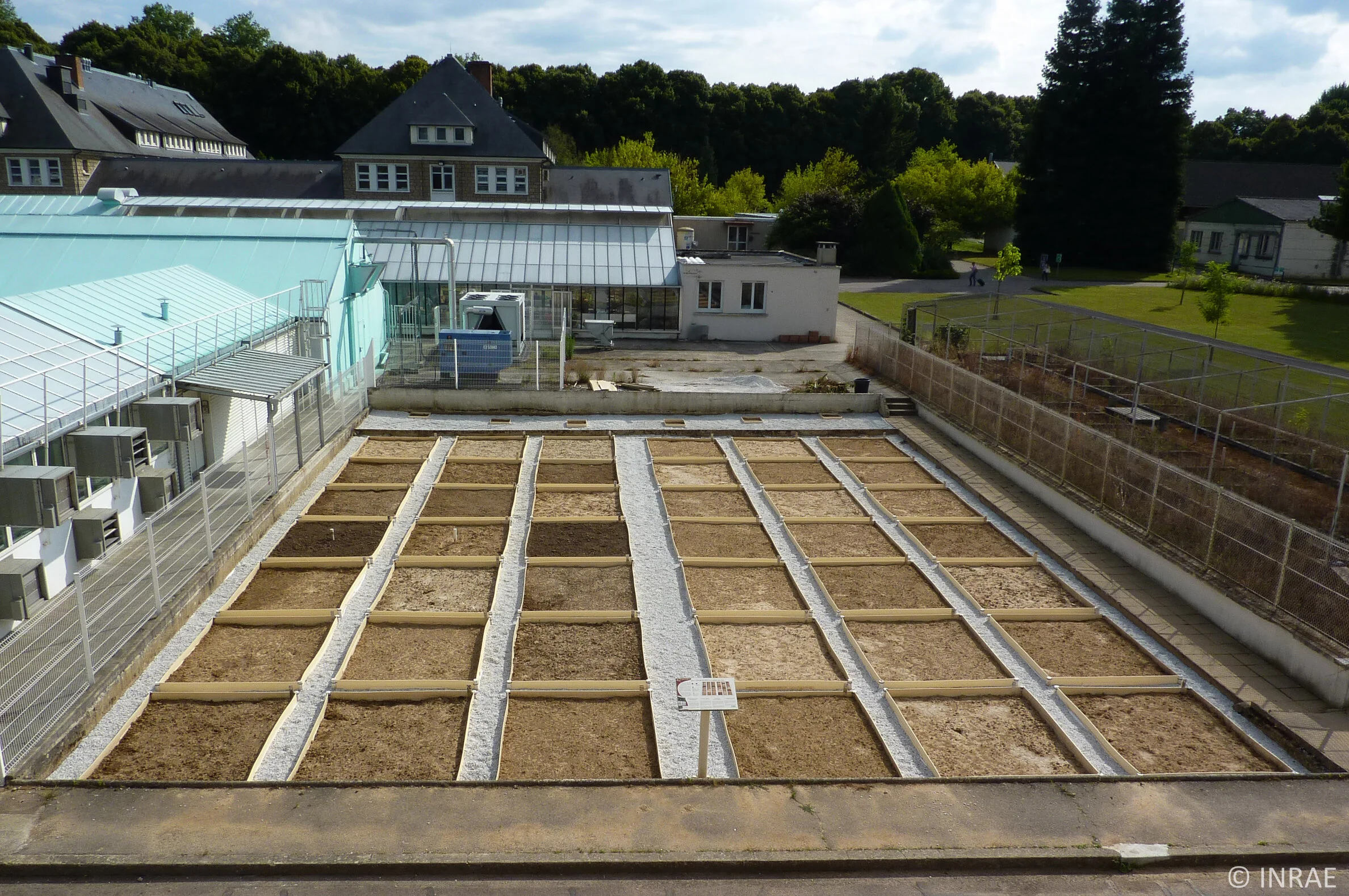
Figure 1: The unique 42-plot experiment initiated in 1928 and located in the gardens of the ‘Palace of Versailles’. Nowadays it is managed by the ‘French National Research Institute for Agriculture, Food and Environment’ (INRAE). Photo credit: INRAE.
Ecologists can answer a lot of the scientific questions that they grapple with about organisms from ‘extreme’ environments where plants, animals, or microbes barely cling on to life. Perhaps that sounds counter-intuitive because, surely, one should study living things where they are most abundant and diverse? But that also makes everything very complicated! In extreme environments, the number of organisms is small, their interactions and food webs are few, and the factors that control life or death are limited. For example, scientists have studied microscopically small nematode worms in the soils of extremely dry deserts, both in very hot and very cold climates, to learn how these animals survive and respond to environmental change such as total drought (Wall and Virginia, 1999).
Our team of scientists from France, Hungary and Ireland (Pelosi et al. 2020) recently had an opportunity to study a different group of worms in soils of a unique long-term experiment that has created extreme chemical soil conditions. Located in the world-famous ‘Palace of Versailles’ outside Paris, this experiment consists of small plots of land that have been receiving different fertilizers each year since 1928 but have no plants or crops whatsoever (see Figure 1). Some fertilizers make the soil very acidic or alkaline (measured as pH values), neither of which is suitable for soil animals. Some have added lots of nitrogen, others lots of phosphorus. One treatment (horse manure) visibly keeps the soil much ‘richer’, and other treatments have created various shades of a lighter brown, all reflecting a different soil humus (carbon) content (Figure 1).
Figure 2: Number of enchytraeid worms according to fertilizers, from left to right: basic amendments, organic amendments, ammonium-based nitrogen fertilizers, nitrate-based nitrogen fertilizers, phosphate fertilizers, potassium fertilizers, and control (without amendments). n is the number of plots sampled per treatment group. Graph redrawn from Pelosi et al. 2020.The inset picture shows an enchytraeid worm. Photo credit: INRAE.
The worms we studied in this experiment (Pelosi et al. 2020) are smaller relatives of earthworms and are called Enchytraeidae, or potworms (Figure 2). These worms are important decomposer animals that help maintain soil fertility. In our study we found 13 different species of enchytraeid worms, which is remarkable given the fact that no plants grow on these plots, and thus the soils do not receive any carbon or nutrient inputs (through roots or as litter) from plants. The two plots with horse manure had very large numbers of enchytraeid worms, about as many (>10,000 worms per m2) as one would expect from a normal agricultural soil (Figure 2). Soils with alkaline fertilizers (soil pH about 8.4) also harboured respectable worm numbers, whilst soils with acidifying fertilizers (soil pH about 3.8) had almost no worms at all. The five ‘control’ plots – plots that had not received any fertilizer for almost 90 years – had the lowest carbon content (only about 0.7% carbon), and yet they still had enchytraeid worms (about 1,000 worms per m2)! That probably means that these worms can live on very old soil carbon, and on very small amounts of it.
Figure 3: Bait-lamina sticks with some of the ‘tasty’ bait removed by soil animals. Photo credit: Stephan Jaensch – ECT.
We also measured the general feeding activity of soil animals in this experiment (Pelosi et al. 2020), with a method called bait-lamina sticks that uses little strips holding ‘bait’ that soil animals like to eat (Figure 3). Amazingly, all soils had some feeding activity, which means they all had some animal life. This is remarkable because it means that even bare and degraded soils still have some biodiversity and food web functions. In other words, soils organisms are resilient; they can cope with long spells of impoverishing treatment and some residual biodiversity will persist in spite of it all. Hopefully, these findings also mean that even highly degraded soils still have some residual biodiversity that can thrive again once soil management improves, for example when frequent ploughing is replaced with reduced tillage practices or manure is applied (Briones and Schmidt, 2017).
So, next time you stroll around the magnificent gardens of Versailles – or any other garden for that matter – remember that, although you see lush, ornate, pretty plants aboveground, this is all made possible by the soils beneath and the resilient life they harbour in their underground world!
Publication: Pelosi C, Boros G, van Oort F, Schmidt O (2020) Soil Oligochaeta communities after 9 decades of continuous fertilization in a bare fallow experiment. Soil Organisms 92(2), 129–142. DOI 10.25674/so92iss2pp129 [Open Access]
Other References:
Briones MJI and Schmidt O (2017) Conventional tillage decreases the abundance and biomass of earthworms and alters their community structure in a global meta-analysis. Global Change Biology 23, 4396–4419. DOI 10.1111/gcb.13744
Wall DH and Virginia RA (1999) Controls on soil biodiversity: insights from extreme environments. Applied Soil Ecology 13(2), 137–150. DOI 10.1016/S0929-1393(99)00029-3
GlobalFungi: FAIR and community-driven resource for studies on fungal biodiversity and ecology
Dr. petr baldrian
Institute of Microbiology, Prague, Czech Republic
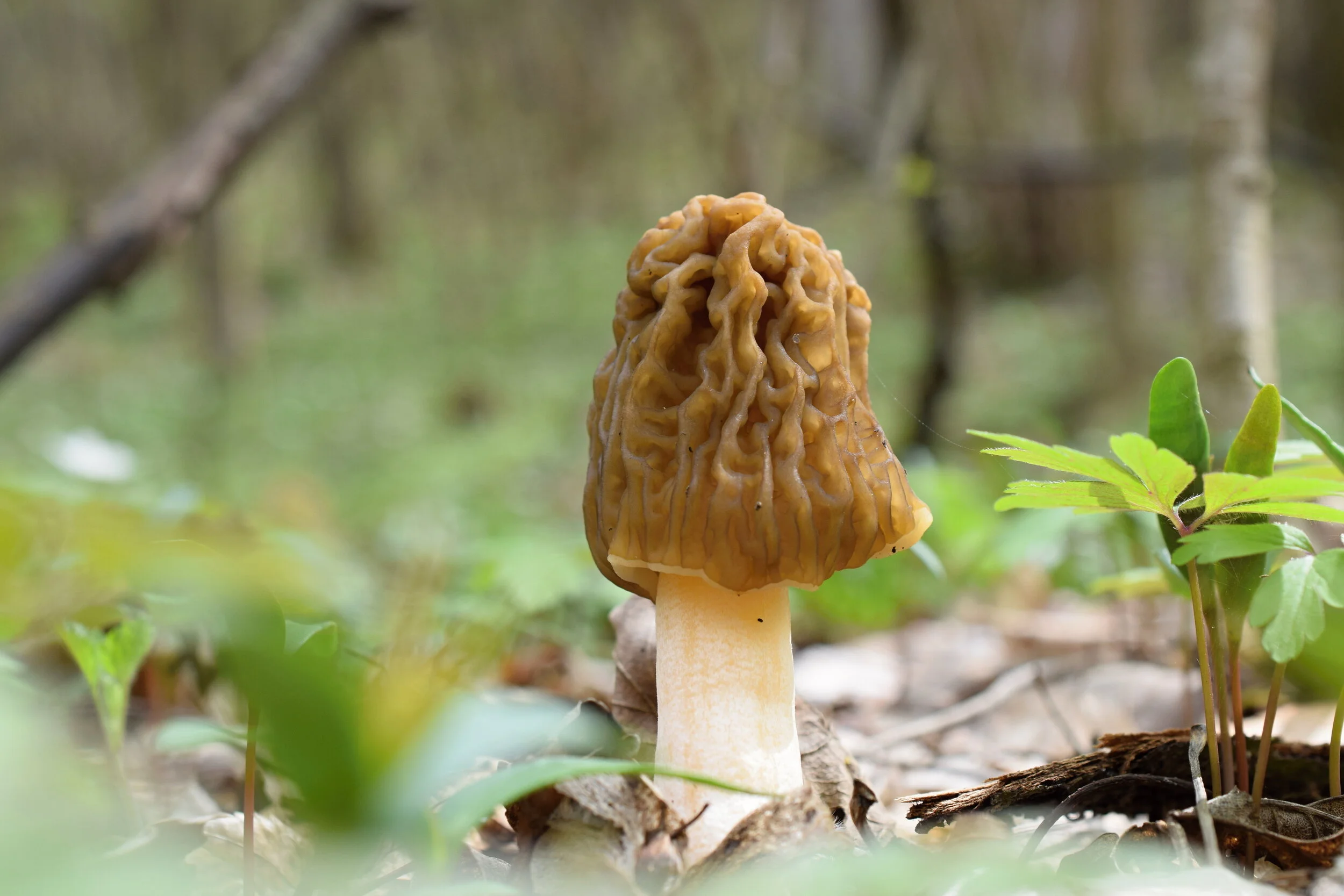
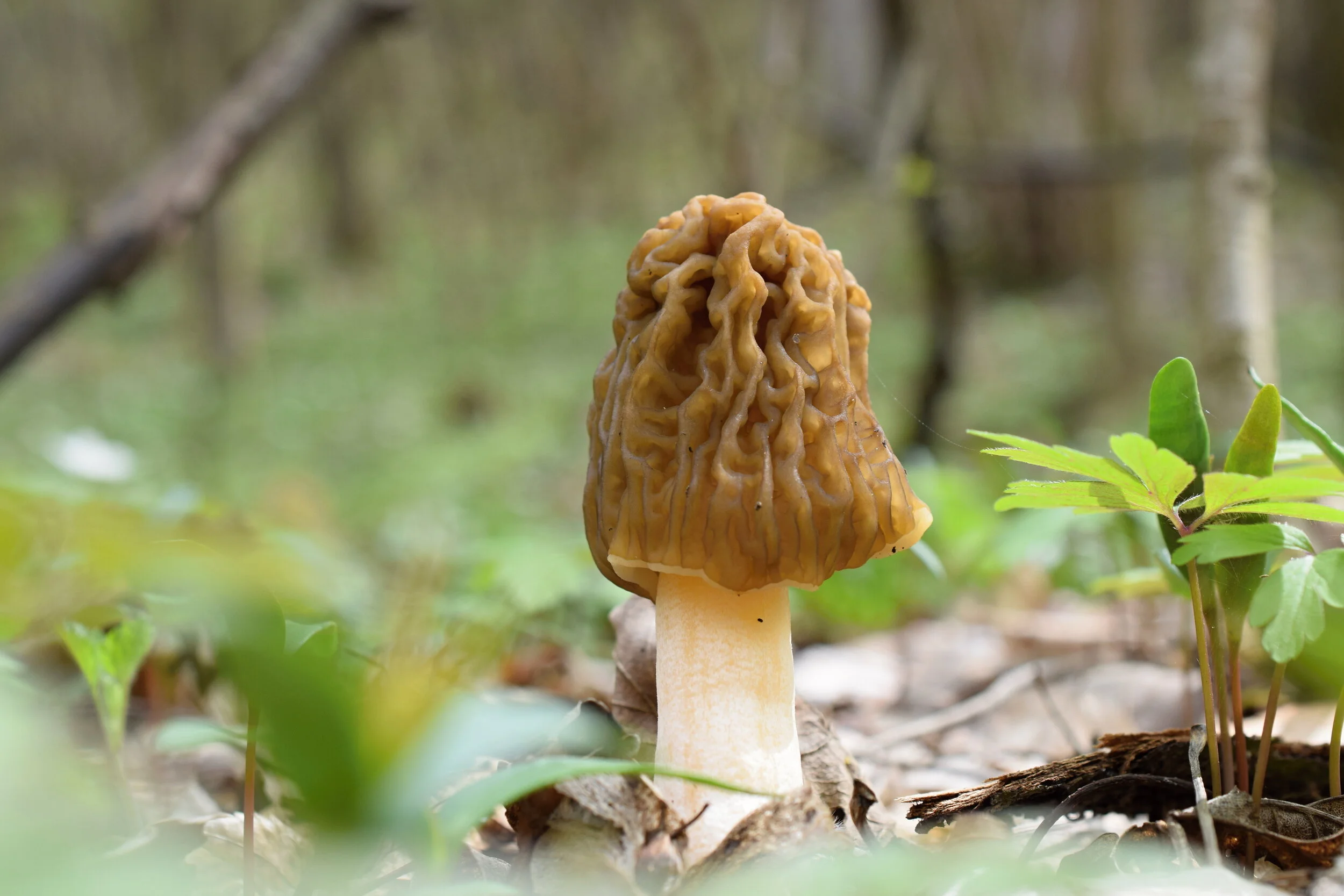
Verpa bohemica.
Terrestrial ecosystems harbor tremendous diversity of organisms with fungi playing a pivotal role in various ecosystem processes. Fungi are essential as decomposers of organic matter driving nutrient cycles or as mutualistic plant symbionts that allow wild plants and agricultural crops to get access to soil nutrients but they also represent important pathogens of plants and animals that may negatively affect health of ecosystems or food security. Because of their predominant cryptic lifestyle, only approximately 150,000 fungal species were so far described out of the several millions that are predicted to exist on our planet. Even less is then known about global distribution and ecological preferences of the fungal species. To overcome the limitations of their direct observation, researchers apply molecular methods of detection to describe fungal diversity. Thanks to the recent advance of high-throughput-sequencing (NGS) methods we are facing an accumulating wealth of fungal sequencing data from various geographical regions, ecosystems and habitats. However, the accumulating raw fungal NGS data in sequence repositories so far just piled up and did not bring much extra value for scientific community.
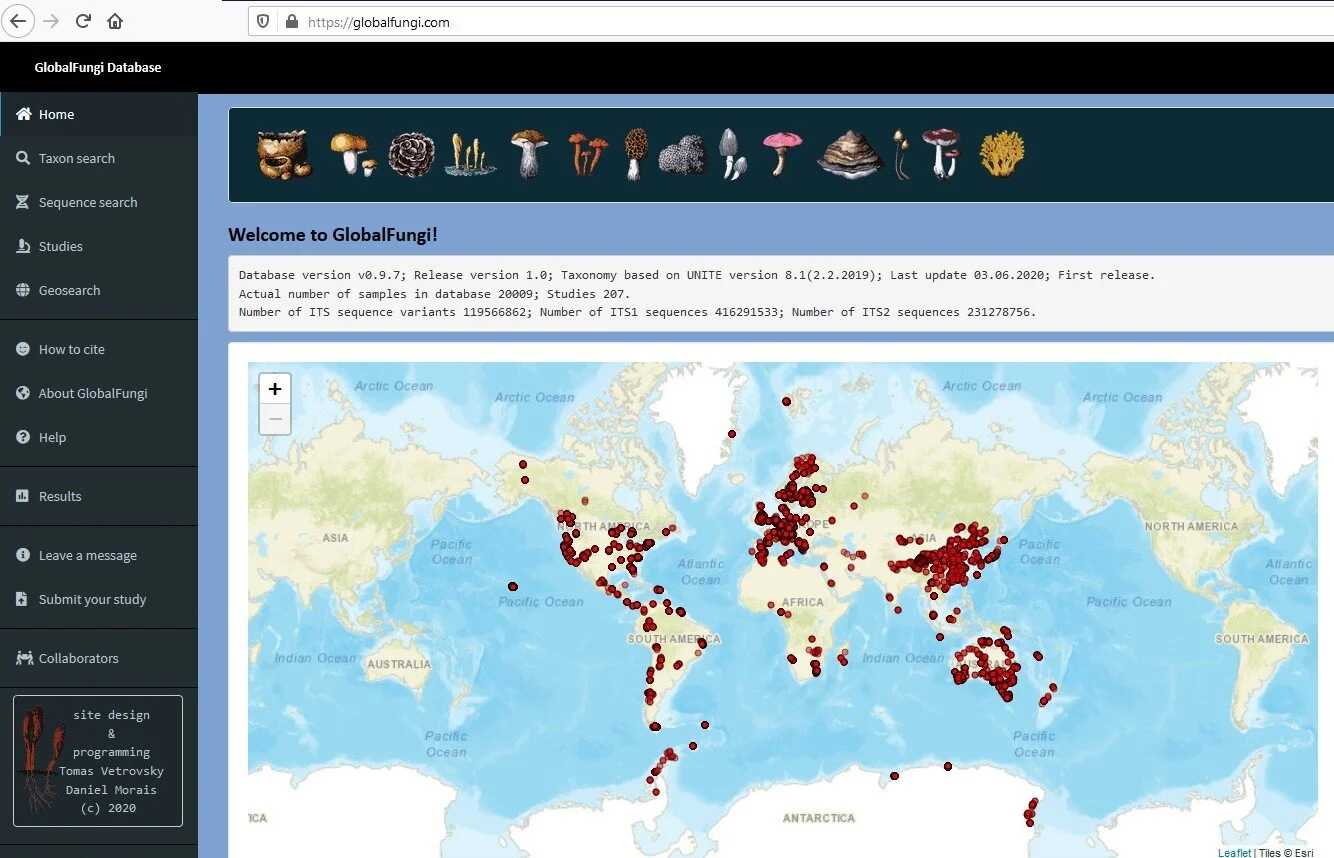
The GlobalFungi Database interface.
The idea behind the GlobalFungi Database, created by the “GlobalFungi Team” from the Institute of Microbiology in Prague, is to process and compile the available published data on fungal community composition obtained by next-generation-sequencing and to provide the access to this rich resource of biodiversity information to everyone through a web based interface that allows various queries and visualization of results. The GlobalFungi has two main principles: (1) FAIR Data approach: making data Findable, Accessible, Interoperable and Reusable with a convenient access for users and (2) participation of scientific community by welcoming and motivating authors to submit their data to make them public, visible and accessible. At present, the GlobalFungi database contains over 650 millions of observations of individual fungal taxa in the form of DNA sequences that were detected in some 20 000 samples collected from more than 200 published studies. The user interface at https://globalfungi.com enables the users to access the database in several ways which are described in the following How to use YouTube video below. Most importantly, all researchers in the fields of fungal biodiversity, ecology and biogeography are invited to contribute their own data and to help to create the database for the utility of the scientific community. The easy instructions to submit their data are provided in the How to submit your study YouTube video below. We believe that data sharing and community collaboration is the future of the biodiversity science on the global level since individual research groups or consortia will never be able to perform analyses at a comparable scale. GlobalFungi should show this path into the future of the science.
Publication: Větrovský et al. GlobalFungi, a global database of fungal occurrences from high-throughput-sequencing metabarcoding studies. Nature Scientific Data 7, 228 (2020). https://doi.org/10.1038/s41597-020-0567-7
Springtails bounce Dr. Adrian Smith into discoveries on Collembola behavior
Dr. Adrian Smith
North Carolina Museum of Natural Sciences and North Carolina State University
This past winter I noticed something incredible, actually a bunch of things, right outside my door. The things came crawling out of the ground in my yard. Noticing things crawling out of the ground is part of my job. I’m an entomologist who has specialized in studying ants for the past 15 years. But this was different, these weren’t ants. They weren’t even insects. Covering my back patio, my garbage cans, and the leaf litter were thousands of globular springtails, tiny soil arthropods.
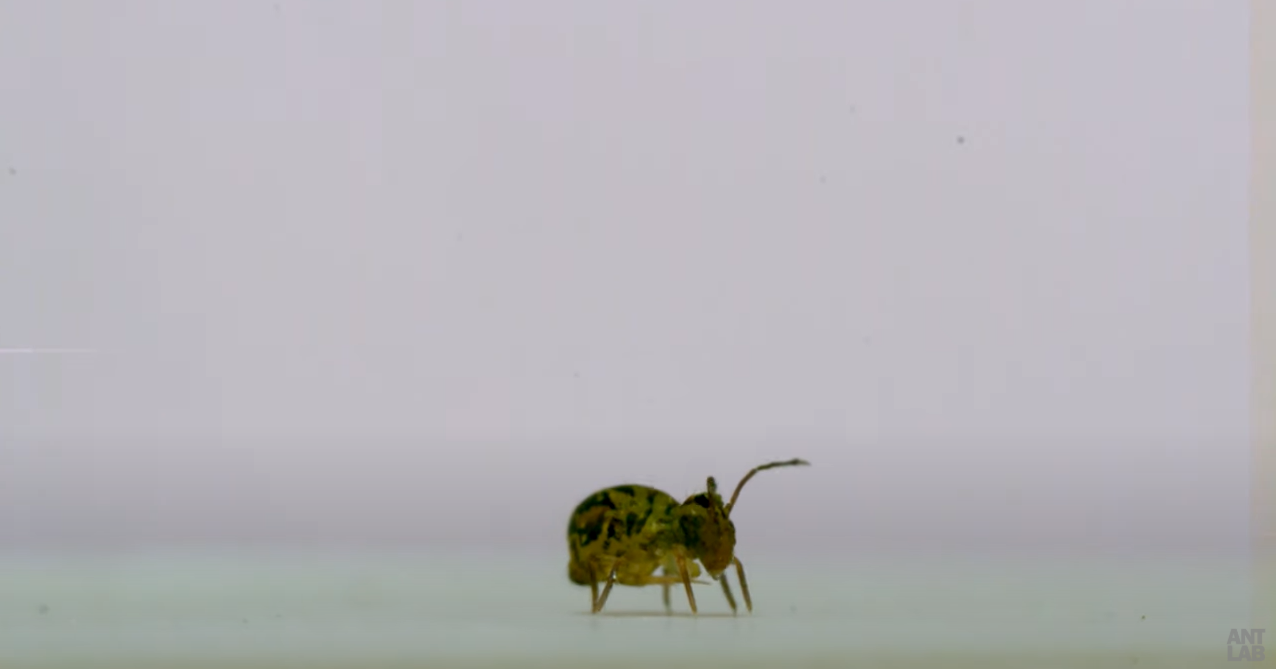
I scooped some up, brought them into the lab, and fired up my high-speed video camera. My scientific specialty is insect behavior. So, when I see some tiny creatures doing something unusual my first instinct is to grab a camera and film it. What I captured with these springtails astounded me. The common name “springtail” describes these organisms’ spring-loaded “tail” (an appendage called a ‘furcula’), which they hold folded underneath their body. When they spring it into action, it slams against the ground and flings the creature into the air. It’s spectacular. They accelerate upwards at a rate of 700m/s2 while flipping, end-over-end, at rates over 350 flips/sec. No other type of animal gets airborne like these little arthropods do.
Springtails, or their more formal name Collembola, are a class of arthropods separate from insects. They are some of the most abundant soil arthropods on earth. There’s a good chance that wherever you are, if you go scrounge around in the soil, you’ll find some. What excites me most about these animals is that they are in a sweet spot for scientific discovery and description. Take their spectacular jumping behavior for instance. There’s only one published study that accurately measures the jump performance of a globular springtail. That was a species in Japan. The other 1,200 or so species, including the one in my yard, have yet to receive much attention.
So, now that I’ve noticed something so spectacular right in my own backyard, I can’t help but spend more time studying it. My students and I, in our lab at the North Carolina Museum of Natural Sciences, have begun an effort to film and describing the jumping behaviors of these creatures. Because the footage we’re getting of these animals is too cool not to share, we’ve put together some of what we’ve captured in the video below. It’s just the start. Check back with us in a year or so and I’m sure we’ll have more to share.
How global changes affect soil microbial biodiversity and function
Dr. Zhenghu Zhou
Northeast Forestry University, Harbin, China
Biodiversity of plants and animals on the Earth is changing at an unprecedented rate due to a variety of global change factors, such as warming, carbon-dioxide enrichment, altered precipitation, atmospheric nitrogen deposition, nutrient fertilization, land-use change, and their combinations.
Soil microbial communities are surprisingly diverse and abundant. In specific, 1 trillion (1012) microbial species harbor on the Earth, and 1 g soil contains up to 1 billion (109) bacterial cells consisting of tens of thousands of taxa.
Soil microbial communities play a critical role in almost all of the biogeochemical cycling processes in terrestrial ecosystems, such as organic matter decomposition, nutrient cycling, plant diversity, and productivity. Scientists have attempted to examine whether microbial diversity displays an environmental gradient (along temperature, resources, stoichiometry, and so on) like plant diversity, and whether microbial community assembly follows the macroecological theories. Yet, such attempts often fail for soil microorganisms. These knowledge gaps swamp our predictions of global changes impacts on microbial diversity and their ecosystem functions.
Responses of microbial diversity and community structure (from Zhou et al., 2020, Nat. Comm.).
Here, we conducted a global synthesis of 1235 global-change experimental observations from more than 40 countries that measured microbial alpha diversity (number of species coexisting within a local site), beta diversity (the magnitude of similarity in species composition among different sites), and community structure with high-throughput sequencing techniques. Our study attempts to answer the following three questions: first, what are the effects of global changes on microbial diversity and community structure worldwide? Are the effects similar to those reported for plants and animals? Second, what are the potential drivers of these responses? Finally, how do global changes induced changes in microbial alpha diversity affect the microbial functionality in the ecosystems?
In this paper, we show that microbial community structure is sensitive to global changes, while global changes affect microbial diversity inconsistently and do not always lead to the loss of microbial diversity. Conversion from highly diverse natural ecosystems to homogeneous agricultural monocultures has a positive effect on microbial alpha diversity. Soil pH is the most important factor to predict the global changes effects on microbial alpha diversity. Generally, if a global change factor increases the soil pH, the alpha diversity would increase; if it decreases the soil pH, the alpha diversity would reduce; if it has no effect on soil pH, it would not change the alpha diversity. The response of soil functionality to global changes can be explained by the responses of microbial community structure and biomass rather than the response of microbial alpha diversity.
In the end, we highlight that the responses of microbial communities to global changes are fundamentally different from those of macro-communities, which are crucial to the policy-making to preserve microbial diversity hotspots under global environmental changes.
Publication: Zhou, Z., Wang, C. & Luo, Y. Meta-analysis of the impacts of global change factors on soil microbial diversity and functionality. Nat Commun 11, 3072 (2020). https://doi.org/10.1038/s41467-020-16881-7
New comprehensive database seeks contributions to ever expanding knowledge of the mycorrhizal colonization of vascular plants
Dr. Nadia Soudzilovskaia
Assistant Professor, Environmental Biology Department, Leiden University
Almost all vascular plants on Earth possess mycorrhiza, a plant-fungal symbiosis that transfers carbon and nutrients between plant roots and fungi. This symbiosis shapes plant and soil biotic communities and drives biogeochemical cycling around the world. The importance of mycorrhizal associations for functioning of terrestrial ecosystems is increasingly recognized. However, there are many more questions that remain to be answered: How do mycorrhizas impact carbon and nutrient flow between plants and soil? Through which mechanisms do mycorrhizas affect functioning of terrestrial ecosystems? How did mycorrhizas evolve and how did they shape plant evolution? Besides, differing in types of mycorrhizal colonization, plants also differ in the intensity of root colonisation by mycorrhizal fungi. This parameter provides insights into the level of closeness of the plant-fungal relation, which is associated with the effectiveness of plant nutrition. Yet, the intriguing questions 1) what is the variation among vascular plant species in the type and intensity of mycorrhizal colonization? and 2) what does this variation mean for terrestrial ecosystems? remain to be answered. Addressing all these questions requires use of correct and exhaustive data about type and intensity of mycorrhizal associations with vascular plant species. However, this information is unknown for the great majority of vascular plants and, when available, was scattered in multiple narrow-focused data sets, most of which cover specific Earth regions or mycorrhizal types.

Georeferenced records from the FungalRoot Database (Soudzilovskaia et al. 2020, Figure 1)
In April 2019 we released a new database called FungalRoot containing data on the type and intensity of mycorrhizal colonization of vascular plants. The database is presented in a new publication (Soudzilovskaia et al. 2020) in the journal New Phytologist, and is available at GBIF and PlutoF platforms. The new database is the largest and most exhaustive compilation of published data on plant mycorrhizal colonization. It contains 36,303 observations for 14,870 plant species, tripling the previously available amount of data about mycorrhizal types of individual plant species, and tenfold increasing previously available data about intensity of mycorrhizal colonization of individual species. In addition, the database contains rich metadata about geographical locations, soil conditions and plants, allowing detailed ecological analyses of the role of mycorrhizal associations in functioning of terrestrial ecosystems. The first examples of such analysis are the two recently published papers examining the global distribution of mycorrhizal plants (Soudzilovskaia et al. 2019) and environmental drivers (Barceló et al. 2019) of this distribution.
While our database covers the wealth of published data about type and intensity of root colonization of mycorrhizal plants, it lacks the data for many Earth plants that have not been yet investigated. Additionally, the correctness of mycorrhizal type assignments of vascular plants remains a hot topic in scientific debates. Therefore, we have shaped our database as an open platform allowing additions of new records and comments about mycorrhizal plant assignments (please see the publication for practical guidelines for contributing to the database.) We kindly invite colleagues working the fascinating topic of mycorrhiza to actively collaborate on further enlarging and the data and making in as accurate as possible.
Publication:
Soudzilovskaia, N.A., Vaessen, S., Barcelo, M., He, J., Rahimlou, S., Abarenkov, K., Brundrett, M.C., Gomes, S.I., Merckx, V. and Tedersoo, L. (2020), FungalRoot: Global online database of plant mycorrhizal associations. New Phytol. Accepted Author Manuscript. doi:10.1111/nph.16569
Database access:
GBIF: https://www.gbif.org/dataset/744edc21-8dd2-474e-8a0b-b8c3d56a3c2d
PlutoF: https://plutof.ut.ee/
